Key takeaways
- Standard Dimensions for Walk in Closet Shelving Systems Size Guide With Measurements (2026)
- Is a Custom Walk in Closet System Worth It? An Honest Answer (2026)
- How to Choose a Walk in Closet System Layout in 2026: What Actually Matters
- Best Modular Walk in Closet System for Slanted Ceilings in 2026: Tested and Ranked
- How to Remove Mold From Wood Closet Shelves (2026): Step-by-Step
What's inside
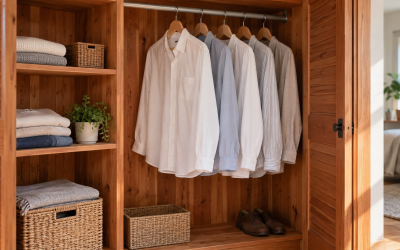
Stepping into a walk-in closet at the start of the day sets the tone for your daily routine. However, transforming a bare walk-in space into an efficient, beautiful dressing area brings up a fundamental dilemma: material selection. Comparing wire shelving vs wood shelving for walk in closet designs is one of the most critical decisions homeowners face during a closet renovation or new build.
The choice is rarely just about appearance. It touches on load capacity, long-term durability, ventilation, installation speed, and budget. Wire systems are celebrated for their airy openness, cost efficiency, and moisture resistance. On the other hand, solid wood and engineered wood systems deliver a tailored, built-in furniture look with smooth surfaces that protect fine knits and hide storage clutter behind drawers and doors. As interior design trends shift in 2026 toward high-functioning primary suites, choosing the right material depends heavily on your lifestyle, home ownership status, and local climate.
As an Amazon Associate we earn from qualifying purchases at no extra cost to you. Product prices and availability are accurate as of the date shown and are subject to change.


Quick Verdict
Wire shelving is the superior choice for budget-conscious homeowners, rentals, and humid environments that require maximum airflow to prevent musty odors. It offers rapid DIY installation and functional, low-maintenance storage at a fraction of the cost. Wood shelving is the clear winner for primary bedroom walk-in closets where custom aesthetics, seamless storage (like drawers and shoe towers), high resale value, and garment protection are top priorities. For many, a hybrid approach—using wood systems in main viewable areas and wire organizers in secondary utility zones—offers the best balance of cost and luxury.
Side by Side
| Feature | Wire Closet Shelving | Wood Closet Shelving |
|---|---|---|
| Visual Aesthetic | Utilitarian, open, industrial | Built-in, high-end furniture, cozy |
| Price Range | $2 to $8 per linear foot | $15 to $50+ per linear foot |
| Weight Capacity | 30–80 lbs per linear foot (wall anchor dependent) | 50–125 lbs per linear foot (stud mounted) |
| Air Circulation | Exceptional; complete 360-degree airflow | Moderate; solid backing blocks horizontal draft |
| Garment Care | Can leave pressure lines on light knits | Smooth, flat support; ideal for folded items |
| Maintenance | Wipe down steel; zero sealing required | Dust flat surfaces; wipe veneer carefully |
| Installation Effort | Low to moderate DIY friendly | Moderate to high; precise level/cuts required |
| Home Resale Value | Neutral to low impact | High ROI; viewed as a premium built-in upgrade |
| Humidity Resistance | High (vinyl or epoxy-coated steel) | Moderate; prone to swelling if untreated particle board |
| Best For | Quick setup, humid spaces, utility closets | Primary walk-in closets, luxury suites, resale appeal |
Where Wire Shelving Wins
Wire shelving systems excel in practical utility, airflow management, and rapid deployment. Manufactured primarily from steel wire coated in epoxy or vinyl, wire closet components eliminate the dark, stagnant corners common in traditional deep cabinetry. Because air passes freely through the open grid pattern, wire systems help prevent moisture buildup—a major benefit in damp climates or walk-in closets positioned adjacent to steamy ensuite bathrooms.
Budget is another significant advantage. Outfitting a 10×8-foot walk-in closet with wire tracks and hanging rods generally costs 60% to 80% less than a comparable timber or melamine setup. For utility zones, linen closets, or simple staging areas within a large closet footprint, standalone metal units like the Amazon Basics 4-Shelf Steel Wire Storage Shelves ($36) or heavy-duty units like the Sakugi Storage Shelves ($44.99) demonstrate just how economical steel shelving can be when organizing overflow items, shoes, or storage bins.
In addition, wire systems feature lightweight modular tracks. You can adjust hanging rod heights and shelf positions in seconds without unfastening structural screws. Dust also has nowhere to settle on thin wire rungs, drastically reducing the time spent cleaning shelf surfaces compared to wide wood boards.
Where Wood Shelving for Walk in Closet Wins
While wire focuses on pure utility, wood shelving converts a closet into a dedicated dressing room. Solid timber, medium-density fiberboard (MDF), and wood laminate systems create architectural weight, warmth, and structure. Solid surfaces eliminate the single biggest complaint associated with wire: small items tipping over and knit sweaters developing grid-shaped creases.
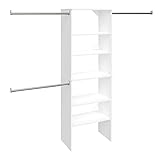
Wood systems accommodate integrated features that wire cannot match, including soft-close drawers, jewelry inserts, glass-front cabinets, integrated LED channel lighting, and flush shoe display shelves with edge stops. Systems like the ClosetMaid SuiteSymphony Wood Closet Organizer System ($147.84) provide a clean starter framework with dedicated hang rods and vertical towers that feel solid and permanent. For those wanting integrated drawer storage without custom carpentry costs, options like the Aheaplus Closet System ($169.99), featuring four built-in wood drawers and an adjustable 4-to-9-foot width, bridge the gap between basic retail shelving and bespoke millwork.
From an investment prospective, appraisers and prospective homebuyers consistently view wood closet organizers as a premium built-in upgrade. A well-designed wood walk-in closet signals high overall maintenance standards throughout the home, directly lifting the perceived value of the primary suite.
Cost Over 5 Years
Evaluating cost requires looking beyond the initial checkout total to consider durability, potential replacements, and value retention over a five-year ownership window.
A standard 8×8-foot walk-in closet fitted with quality vinyl-coated wire shelving typically costs between $200 and $450 in materials for a DIY installation. Over five years, maintenance costs are virtually zero. However, standard wall anchors in hollow drywall can loosen over time if overloaded with heavy winter coats, potentially requiring $30 to $50 in heavy-duty toggle bolt hardware repairs or fresh track anchors.
The initial material investment for a mid-tier engineered wood closet organizer system for the same space ranges from $600 to $1,800. Professional installation can add $300 to $800. Despite higher upfront costs, wood systems offer superior stability over five years when anchored into wall studs. They do not sag under heavy garment loads, and quality thermofoil or laminate surfaces resist scuffs. Furthermore, if you plan to sell your home within five years, a wood closet organizer system typically yields a higher return on investment by elevating the primary suite’s overall appeal during buyer walkthroughs.
Which One for Your Home
Small Apartment
In compact apartment walk-ins where every inch counts, wire shelving often wins on spatial efficiency. Its slender profile and minimal visual bulk keep tight spaces feeling open. Adjustable wall-slotted tracks allow you to squeeze double-hanging rows into low-clearance nooks that bulky wood vertical panels would restrict.
Family with Kids/Pets
For active family closets, a hybrid strategy works best. Low-level wire drawers or coated metal bins allow kids to toss sports gear and toys inside without scratching fine finishes. However, for primary clothing storage, wood system bases with rounded edges prevent clothes from catching, while solid shelves prevent small items like socks, hair accessories, and pet gear from falling through wire gaps.
Rental Property
Renters should prioritize minimal wall disruption and easy removal. Modular wire track systems require only a few top-rail anchor points, leaving tiny holes that are simple to patch upon moving out. Freestanding steel storage racks are another great option, allowing renters to build temporary closet capacity without making any permanent holes in the drywall.
Long-Term Home
If you own your home and plan to stay for five or more years, invest in wood shelving for your primary walk-in closet. The visual comfort, built-in drawer integration, and solid surfaces make daily dressing enjoyable while adding permanent value to your property’s real estate profile.
FAQ
Will wire shelving damage fine clothing or light sweaters?
Wire shelving can leave temporary indentations on fine knits, cashmere sweaters, and thin cotton shirts if folded directly over the open bars. To prevent this, use clear plastic shelf liners on wire surfaces, or reserve wire shelves for hung items, boxed storage, and heavy denim.
Can wood closet shelving handle high humidity?
Solid wood and high-grade exterior plywood handle moderate humidity well, but low-cost particle board can swell and warp if exposed to continuous steam from an adjacent bathroom. Ensure your walk-in closet has proper ventilation, or choose water-resistant laminate over MDF in high-humidity zones.
How much weight can wire shelving support compared to wood?
Standard wire closet shelving mounted with plastic drywall clips supports around 30 to 40 pounds per linear foot. When mounted to a heavy-duty steel top-rail system fixed into studs, wire capacity jumps to 75–80 pounds per foot. Wood closet systems mounted directly to wall studs support between 75 and 125 pounds per linear foot without bowing.
Can you install wood shelving over an existing wire closet system track?
No, wood and laminate closet systems require different support structures. Wire systems rely on top hanging rails with vertical standards designed specifically for wire brackets. Wood systems use wider, load-bearing vertical side panels (hangers or floor-mounted towers) anchored with dedicated cleat or rail systems, requiring you to strip old wire hardware and patch the drywall first.