Key takeaways
What's inside
Finding the right sleep accessories can dramatically transform your nightly recovery, and few items offer the full-body ergonomic support of a well-chosen body pillow. Whether you are managing chronic lower back pain, adjusting to pregnancy, or simply trying to optimize your side-sleeping posture, the market in 2026 provides an overwhelming array of shapes, fills, and ergonomic designs built to alleviate physical strain.
However, simply picking the plushiest option on the shelf rarely leads to restorative sleep. Selecting the right body pillow requires looking past flashy marketing terms and understanding the core specifications that govern physical support, temperature regulation, and long-term durability so you can make an informed investment in your physical well-being.
As an Amazon Associate we earn from qualifying purchases at no extra cost to you. Product prices and availability are accurate as of the date shown and are subject to change.
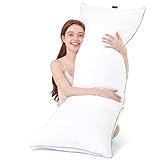
Understanding Body Pillow Shapes
The first major decision you face is the geometric shape of the pillow, which directly dictates how you interact with it throughout the night. Straight, rectangular body pillows function like oversized traditional pillows, making them versatile for hugging, placing between the knees, or tucking along the back without taking up excessive bed space. They are ideal for sleepers who shift positions frequently and want a flexible prop.
On the other hand, contoured shapes such as C-shape, J-shape, and U-shape models wrap partially or fully around your body. U-shaped pillows provide simultaneous front and back support, preventing you from rolling onto your stomach or back, which makes them exceptionally popular for pregnancy and chronic pain relief. The trade-off is size; these larger options dominate the bed and require more effort to reposition.
Filling Materials and Their Performance
The interior fill determines how the pillow feels under pressure, how well it maintains its loft, and how much airflow it permits. Shredded memory foam is currently the industry standard for customizable support, allowing users to reach inside and remove or add fill to achieve their ideal firmness. It contours closely to the body but can retain heat if it lacks proper ventilation.
Alternative fills include down alternative clusters, which offer a plush, cloud-like feel with easy maintenance, and micro-beads, which provide a cooling, moldable texture reminiscent of travel neck pillows. While down alternatives are budget-friendly and hypoallergenic, they tend to pack down faster over time, necessitating regular fluffing or earlier replacement compared to dense foam blends.
Loft, Density, and Sleep Posture Compatibility
Loft refers to the height and thickness of the pillow, while density dictates how deeply your body sinks into the material. Side sleepers generally require a higher loft and medium-firm density to bridge the gap between the mattress and the upper knee or shoulder, keeping the spine in a neutral alignment. If the loft is too low, your top hip will drop forward, straining the lower back.
Conversely, combination sleepers or those who use the pillow primarily for hugging rather than structural knee separation benefit from a lower, more compressible loft. Adjustable models excel here because they let you fine-tune the density to match your exact body proportions and mattress sinkage, ensuring your neck and hips remain level.
Cover Fabrics and Temperature Regulation
The fabric encasing your body pillow plays a massive role in temperature control and tactile comfort. Because body pillows have a large surface area that remains in close contact with your skin for hours, trapped body heat can quickly lead to night sweats and disrupted sleep cycles.
Look for breathable, moisture-wicking cover materials such as organic cotton percale, bamboo-derived rayon, or specialized performance jersey knits. Avoid heavy, unlined synthetic polyester covers unless they feature phase-change materials or specialized cooling weaves designed to pull heat away from your microclimate.
Sizing and Bed Compatibility
Body pillows come in various lengths, typically ranging from 48 inches to over 60 inches long. Standard full-length models fit most adult frames comfortably on twin, full, or queen beds without crowding a sleeping partner. Full-body contoured variants, however, can span up to 70 inches and easily consume half of a standard queen mattress.
Before purchasing an oversized or uniquely shaped model, measure your sleep surface to ensure you and your partner will still have adequate space to move comfortably. If you share a smaller bed, a compact straight pillow or a slim C-shape model is usually the most practical compromise.
Cost Versus Value: When to Spend More
Body pillows range from budget-friendly synthetic options under thirty dollars to premium multi-component ergonomic systems exceeding one hundred dollars. Spending more typically gets you higher-grade CertiPUR-US certified foams, washable inner liners, organic outer covers, and robust warranties against flattening.
If you have chronic orthopedic conditions, severe back pain, or unique ergonomic requirements, investing in a premium, adjustable model is well worth the upfront cost. For casual lounging or temporary support, a mid-range down alternative pillow will usually suffice.
Related Guides
If you are expanding your bedroom sleep setup, you can explore our detailed product roundups featuring the best body pillows, high-performance memory foam pillows, and advanced cooling pillows to complete your nightly recovery routine.
FAQ
How do I wash a large body pillow?
Most body pillows feature a removable, machine-washable outer cover that you can launder weekly on a gentle cycle. For the inner core, check the care label; shredded foam inserts usually require spot cleaning or specific tumble-dry instructions on low heat with dryer balls to prevent clumping.
Can a body pillow help with hip and knee pain?
Yes, placing a firm body pillow between your knees and thighs while sleeping on your side prevents your top leg from pulling your spine out of alignment. This simple adjustment significantly reduces pressure on the hip joints and lower back muscles.
How long should a quality body pillow last?
A well-maintained body pillow typically lasts between two and four years depending on the fill material and nightly usage. Premium shredded memory foam models often last longer if you periodically fluff them and wash the protective covers regularly.
Should I choose a full-length or U-shaped pillow?
Choose a full-length straight pillow if you want flexibility, minimal bed clutter, and easy movement throughout the night. Choose a U-shaped pillow if you need comprehensive all-around support to prevent rolling over or to manage severe multi-point joint pain.