Key takeaways
What's inside
- Understanding Pocket Depth and Mattress Height
- Material Matters: Cotton, Linen, and Synthetic Blends
- Weave Types: Percale vs. Sateen
- Thread Count Deception: What to Look For Instead
- Cooling and Breathability Factors
- Durability and Easy Care Maintenance
- Balancing Budget and Longevity
- Related Guides
- FAQ
- Related Guides
Shopping for queen size sheets in 2026 requires looking past clever marketing and focusing on the physical specifications that directly impact your nightly rest. With countless fabric blends, weave styles, and pocket depths flooding the market, finding the right set can quickly feel overwhelming. Whether you are outfitting a guest bedroom or upgrading your primary mattress, understanding the core elements of quality bedding ensures you invest in comfort that lasts.
- Understanding Pocket Depth and Mattress Height
- Material Matters: Cotton, Linen, and Synthetic Blends
- Weave Types: Percale vs. Sateen
- Thread Count Deception: What to Look For Instead
- Cooling and Breathability Factors
- Durability and Easy Care Maintenance
- Balancing Budget and Longevity
- Related Guides
- FAQ
- Related Guides
This decision guide cuts through the industry noise to highlight what truly matters when purchasing queen size sheets. By evaluating how materials interact with your skin, how weaves affect temperature regulation, and how dimensions fit modern mattresses, you can make an informed choice. Let us examine the essential factors that separate a disappointing purchase from a luxurious sleep setup.
As an Amazon Associate we earn from qualifying purchases at no extra cost to you. Product prices and availability are accurate as of the date shown and are subject to change.

Understanding Pocket Depth and Mattress Height
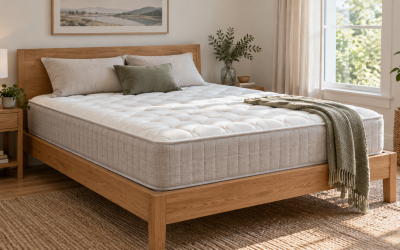
One of the most frequent mistakes shoppers make is ignoring the pocket depth of the fitted sheet. Modern mattresses have grown significantly thicker due to advanced comfort layers, often measuring anywhere from 10 to 16 inches deep, with some pillow-top models exceeding 18 inches. Always measure your mattress height before buying, and look for queen sheets with a generous pocket depth and all-around elastic to prevent the corners from popping off in the middle of the night.
Standard queen flat sheets measure roughly 90 by 102 inches, but fitted sheets vary wildly based on pocket construction. If you use a mattress topper, add its thickness to the overall mattress height. Choosing a fitted sheet with reinforced corner seams and deep pockets guarantees a snug, wrinkle-free fit that stays secure.
Material Matters: Cotton, Linen, and Synthetic Blends
The fabric foundation dictates the overall feel, durability, and maintenance routine of your sheets. Pure long-staple cotton, such as Egyptian or Pima, remains the gold standard for breathability and softness, growing more comfortable with every wash. Linen offers exceptional texture and natural cooling properties, making it a favorite for warm sleepers, though it requires a break-in period to soften.
Synthetic options like microfiber are budget-friendly and resist wrinkles, but they tend to trap body heat and lack the natural moisture-wicking capabilities of plant-based fibers. When selecting your queen size sheets, consider your skin sensitivity and climate. Natural fibers generally provide superior longevity and temperature control compared to pure synthetics.
Weave Types: Percale vs. Sateen
The way yarn is woven fundamentally changes how a fabric feels against your skin. Percale features a simple one-over, one-under grid pattern that results in a crisp, matte finish. It feels lightweight, airy, and cool to the touch, resembling the feel of a high-end hotel shirt. If you tend to sleep hot or prefer crisp bedding, percale is your best bet.
Sateen utilizes a four-over, one-under weave structure that brings more threads to the surface. This creates a silky-smooth texture with a subtle sheen and a slightly heavier drape that hugs the body. While sateen feels luxurious and resists wrinkling better than percale, it can trap slightly more warmth during the summer months.
Thread Count Deception: What to Look For Instead
For decades, manufacturers marketed sky-high thread counts—ranging from 800 to 1500—as the ultimate indicator of quality. In reality, thread count simply measures the number of threads woven into a square inch of fabric. Anything above 500 is often physically impossible to achieve with single-ply threads without using multi-ply yarns that actually reduce durability and breathability.
Instead of chasing inflated thread numbers, focus on staple length. Look for terms like long-staple cotton, which uses longer individual fibers that create smoother, stronger, and less pill-prone yarns. A well-crafted 300-thread-count percale made from long-staple cotton will vastly outperform a cheap 1000-thread-count sheet made from short-staple fibers.
Cooling and Breathability Factors
Thermal regulation is crucial for uninterrupted sleep cycles. If you wake up sweating, your sheets might be blocking airflow and trapping body heat. Natural fibers inherently promote better air circulation, while specialized weaves enhance breathability. Fabric weight, measured in grams per square meter, also plays a role; lighter fabrics naturally dissipate heat faster.
Avoid heavy flannel or dense synthetic blends if you live in a warm climate or experience night sweats. Look for lightweight, moisture-wicking textiles that allow heat to escape away from your body, maintaining an optimal microclimate throughout the night.
Durability and Easy Care Maintenance
High-end sheets should not require delicate dry-cleaning routines. Review the manufacturer care instructions before purchasing to ensure the fabric can withstand regular machine washing. Long-staple cotton and quality linen actually improve with age, softening gracefully over years of proper laundering.
Wash your sheets weekly in cool or lukewarm water using a gentle, liquid detergent. Avoid harsh chemical bleach and high-heat tumble drying, which degrade elastic bands and break down natural fibers prematurely. Removing sheets promptly from the dryer minimizes stubborn wrinkles without needing an iron.
Balancing Budget and Longevity
Quality bedding spans a broad price spectrum, typically ranging from affordable synthetic sets to luxury artisanal linen. While it is tempting to pinch pennies on guest room linens, investing in your daily sleep surface pays off in durability and comfort. Cheap sheets pill quickly, lose their elasticity, and feel scratchy after just a few washes.
Determine your priorities: if you change sheets frequently, a mid-range cotton set offers great value. If you want heirloom-quality bedding that lasts for a decade, allocating more budget toward certified organic long-staple cotton or pure linen is a worthwhile investment.
Related Guides
To explore specific product recommendations and specialized fabrics, check out our curated resources. Compare top-tier choices in our best queen size sheets roundup, discover silky plant-based options in the best bamboo sheets guide, or find maximum airflow solutions via our best cooling sheets review.
FAQ
What is the standard size for a queen flat sheet?
A standard queen flat sheet typically measures around 90 inches wide by 102 inches long, offering enough overhang to tuck securely under the mattress. However, extra-deep mattress profiles may require oversized flat sheets for proper coverage.
How often should I wash my queen size sheets?
You should wash your sheets once a week to remove accumulated body oils, dead skin cells, dust mites, and sweat. Regular laundering maintains fabric hygiene and extends the overall lifespan of the textiles.
Why do fitted sheet corners always pop off?
Corners slip off when the pocket depth of the fitted sheet is too shallow for your mattress thickness or when the elastic loses its tension. Always verify your mattress height and buy sheets with deep pockets and robust corner elastic.
Are high thread count sheets always better?
No, thread count is frequently manipulated by manufacturers using multi-ply yarns that reduce breathability. Staple length and weave type are far more reliable indicators of overall sheet quality and comfort.