Key takeaways
- Searches for mattresses for fat people usually end at firmness, and that is the wrong variable to settle on. The decision that holds up is published weight capacity per sleeper, read alongside sleep position, core construction and mattress height before…
Searches for mattresses for fat people usually end at firmness, and that is the wrong variable to settle on. The decision that holds up is published weight capacity per sleeper, read alongside sleep position, core construction and mattress height before any firmness label.
As an Amazon Associate we earn from qualifying purchases.
By KK Home Furnishings Editorial Team
How to Choose Mattresses for Higher-Weight Sleepers
Capacity is published four different ways across this group, as a per-sleeper figure, a per-side figure, a total, and not at all, so the first job is working out which one a particular brand actually means. Height, coil count and foam density then show whether construction backs it up.
Start With Published Weight Capacity
Big Fig states 600 pounds per sleeper and 1,200 pounds in total. Saatva lists the HD as supporting 300 to 500 pounds per sleeper, up to 500 pounds on each side from Full upward. Brooklyn Bedding puts the Titan Plus at up to 1,000 pounds total, with no per-side split published anywhere.
A total is not simply two halves of the same figure. Nothing in Titan’s wording licenses a 500-pound-per-sleeper reading, and the WinkBed Plus publishes a 250-pound-and-up target rather than a maximum, so it cannot be ranked on capacity at all. Match the heavier sleeper to an explicit per-sleeper figure.
Match Core Design and Thickness
Saatva’s HD is 15 1/2 inches tall with 713 coils in the Queen and weighs 135 pounds. The WinkBed Plus is 14 1/2 inches with foam at a minimum of 1.8 pounds per cubic foot, and Titan’s current product page lists 12 inches. Height tracks how much support structure has been stacked up inside.
Coil count and foam density describe durability under load better than height alone does, because compression is what wears a mattress out and heavier bodies compress more of it nightly. An older Titan support page shows 11 inches against the current 12, so confirm the figure on the page you buy from.
Firmness Changes With Body Weight
WinkBeds states that the Plus can feel around 6.5 out of 10 for a sleeper above 300 pounds and about 8 out of 10 at 200 pounds or less. That is one mattress producing two different firmness experiences, which is why a brand’s firmness number is a starting point rather than a specification.
Sleep position shifts it further still, since side sleepers load the shoulder and hip across a smaller area than back sleepers do. Nothing here treats firmness as a treatment for pain; if back or joint problems are what is driving the purchase, that is a conversation to have with a clinician instead.
Check Trial, Warranty and Foundation Rules
Saatva lists 365 nights on the HD and Big Fig lists 120 nights, and a trial is where a capacity claim actually gets tested in use. Use the full adjustment period rather than a fortnight of it, because a denser support core feels noticeably different in the sixth week than it does in the first.
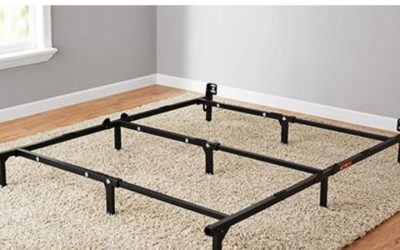
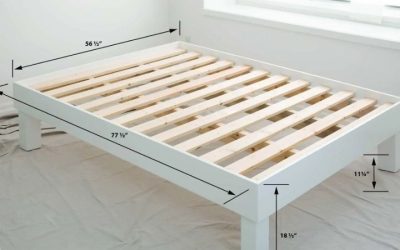
Read the foundation requirement before delivery day. Warranties in this category commonly specify slat spacing and a centre support, and coverage can lapse where the base does not meet it. A 135-pound Queen also needs two people and a measured stair turn to get into the bedroom at all.
Top Picks
Each pick below is placed on what its own maker publishes about capacity, rather than on a firmness label at all. One of the four publishes no maximum whatsoever, so it is recommended for its construction rather than for any weight ceiling, and its row in the table below says exactly that.
| Product | Best For | Key Spec | Watch Out For |
|---|---|---|---|
| Big Fig Firm Queen | Best Overall | 600 lb per sleeper and 1,200 lb total; 120-night trial | Mid tier; built firm by design, which does not suit every sleep position |
| Titan Plus Core Queen | Best Value | Up to 1,000 lb total; 12 in on the current product page | Budget tier here; the total is not per-sleeper, and an older page lists 11 in |
| WinkBed Plus Queen | Best for Published Foam Density Above 250 lb | 14.5 in tall; foam at a minimum of 1.8 pcf | Mid tier; no maximum weight capacity published anywhere |
| Saatva HD Queen | Best for 300 to 500 lb Per Sleeper | Up to 500 lb per side; 15.5 in; 713 Queen coils; 365-night trial | Premium tier; 15.5 in raises total bed height and sheet depth |
Big Fig Firm Queen: Best Overall
Big Fig is the only bed here stating capacity both ways, at 600 pounds per sleeper and 1,200 pounds total, which is precisely the specification this search is actually about. It sits in the mid tier of this group and comes with a 120-night trial in which to test that claim properly.
The drawback sits in the positioning. This is built firm by design, and a firm surface is not automatically right for a side sleeper who needs the hip and shoulder to settle in. Treat the trial as a genuine evaluation rather than assuming that firmer always means better supported.
Titan Plus Core Queen: Best Value
Brooklyn Bedding publishes up to 1,000 pounds total for the Titan Plus, and its own current product page lists a 12-inch height for it. It is the budget tier of this sample and also the shortest bed in it, which keeps the finished height manageable on a tall frame or a platform base.
Two cautions attach to it. The 1,000-pound figure is a total with no per-sleeper split published anywhere at all, and retailer listings for the Queen currently disagree with one another, so confirm the exact size, the height and the seller on that page before placing any order at all.
WinkBed Plus Queen: Best for Published Foam Density Above 250 lb
WinkBeds aims the Plus at sleepers from 250 pounds upward, and publishes a minimum foam density of 1.8 pounds per cubic foot in a 14 1/2-inch build overall, which is unusual transparency for a category where foam density is very frequently left off the specification page entirely.
It publishes no maximum weight capacity at all in what the brand currently makes available, so it cannot be compared on that axis against beds that do state one. For a sleeper sitting near a ceiling rather than comfortably below it, a bed with an explicit limit is the safer purchase.
Saatva HD Queen: Best for 300 to 500 lb Per Sleeper
Saatva designs the HD around individuals weighing between 300 and 500 pounds, and it supports up to 500 pounds on each side from Full size upward, with 713 coils in the Queen and a 365-night trial, which is the longest window available anywhere in this group by a very wide margin.
It is premium tier and the tallest at 15 1/2 inches, which lifts the total bed height once a frame and a foundation are counted, and can put the surface higher than is comfortable to climb into. Deep-pocket sheets are a required extra on this one rather than an optional upgrade afterwards.
Frequently Asked Questions
These answers all stay with what each brand actually publishes, because capacity wording changes from page to page, and a number borrowed from the wrong column is the single costliest mistake anyone makes in this category. None of what follows below is medical advice of any kind.
What Weight Capacity Should I Look For?
Use the heavier sleeper’s actual weight alongside the brand’s own wording. Where a page states a per-sleeper number, such as Big Fig’s 600 pounds or Saatva’s 500 pounds per side, that is the figure to compare against. Where a page states only a total, do not divide that figure in half.
Add the bedding in as well, and allow for weight changing across the years the bed will be owned. Where a sleeper sits close to a stated limit rather than comfortably below it, move to a model carrying a higher explicit figure instead of treating that limit as a target to approach.
Is the Firmest Mattress Always Best for a Heavier Sleeper?
No, it is not. Firmness scales are set by each brand against no shared reference, and the same bed registers differently by body weight, as the 6.5 against 8 example from WinkBeds shows. Support comes from the core of the bed, not from a surface that merely feels hard to the hand.
The useful distinction is between a bed that resists sinking across the whole body and one that simply feels rigid on top. A dense core under a softer comfort layer can do the first while feeling nothing like the second, which is precisely what a long sleep trial exists to reveal.
How Thick Are Heavy-Duty Mattresses?
These four examples run from roughly 12 to 15 1/2 inches. Thickness is a consequence of construction rather than a specification to shop by, since more coil height and more comfort layers produce more inches without telling you anything at all about what is actually inside the bed.
Height still has practical effects worth planning for. Measure the finished bed height from the floor up, because 15 1/2 inches on a foundation and frame can leave the sleeping surface awkwardly high, and check that the sheets you already own have a deep enough pocket to stay on it.
Which of These Has the Longest Trial?
That is Saatva’s HD, at 365 nights, with Big Fig at 120 nights behind it. Both are policies rather than product specifications, which means either can be revised, so confirm the current terms and any return or restocking fee on the page you order from before relying on either of them.
Return logistics matter more at this weight class than at any other. A 135-pound Queen is not something one person repacks alone, and brands handle collection very differently, so ask who removes the bed and whether that service is included before the trial window starts to matter.
Final Thoughts
One line in the paperwork decides whether any of this holds after delivery: the foundation requirement. Slat spacing and centre support are written into warranty coverage for mattresses for heavier sleepers, and a base that misses them can void the protection a capacity figure implies.