Start with a fitted sheet, add an optional top sheet, place a removable blanket above it, and finish with a comforter or covered duvet. Learning how to layer winter bedding means arranging warmth in pieces you can adjust during the night, rather than stacking every heavy blanket you own.
As an Amazon Associate we earn from qualifying purchases.
By KK Home Furnishings Editorial Team
How to Layer Winter Bedding From the Mattress Up
Build the bed from the surface you lie on toward the covers you pull over yourself. The practical order is protector or topper if used, fitted sheet, optional flat sheet, optional insulating blanket, and one main duvet, comforter, or quilt. A decorative throw goes on last. Each piece has a separate purpose, so you can remove warmth without rebuilding the bed.
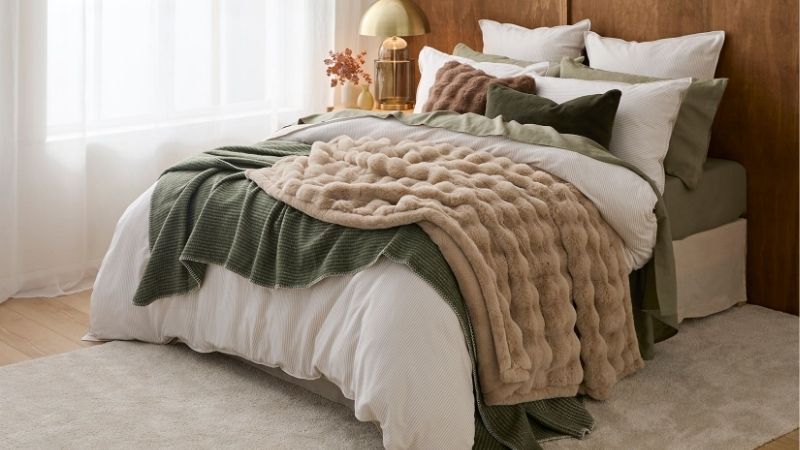
| Order | Layer | Job in Winter | Adjust or Skip When |
|---|---|---|---|
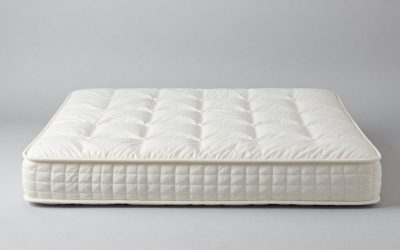
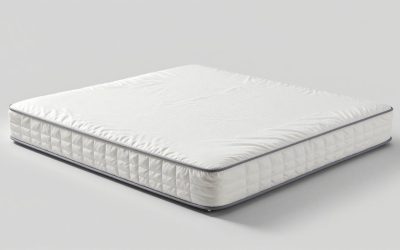
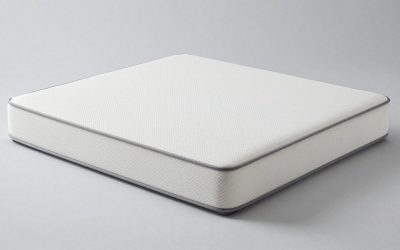
| 1 | Mattress protector or topper, if used | Protects or changes the mattress surface beneath the sheet | Check the maker’s placement and sheet-depth instructions |
| 2 | Fitted sheet | Creates the smooth sleeping surface | Choose a pocket depth that stays securely over the mattress |
| 3 | Flat top sheet, optional | Separates your skin from blankets and main cover | May be unnecessary with a routinely washed duvet cover |
| 4 | Removable blanket or lightweight quilt | Adds a warmth layer you can fold back independently | Leave out when the primary duvet already feels warm enough |
| 5 | Comforter or duvet in its cover | Provides the main insulating top cover | Use a lighter version if the room or sleeper runs warm |
| 6 | Throw across the foot, optional | Offers quick extra coverage and visual texture | Keep off the active sleep area unless you want that extra weight |
Start With the Mattress Surface and Fitted Sheet
Step 1: lay a mattress protector or topper in the position required by its maker, if you use one. Step 2: pull a fitted sheet evenly over every corner. The elastic should grip beneath the mattress rather than resting on top of it. A sheet that repeatedly slips may have too shallow a pocket for the combined mattress and topper height.
This lower part of the arrangement is about fit and a comfortable contact surface, not about collecting more insulation. Flannel feels brushed and cozy; cotton percale usually feels crisper. Neither label guarantees a particular overnight temperature. Choose the texture you like, check the care label, and keep the sheet lying flat without bunches under your body.
Add a Flat Sheet Only When It Earns Its Place
Step 3: spread a flat sheet over the fitted sheet, centering its length and width so it will sit between you and the upper covers. You may loosely tuck the foot or leave it free if you move your legs frequently. A top sheet gives you a lightweight contact layer that can be removed and washed separately from a bulky comforter.
The flat sheet is optional, not a rule for every American bed. A duvet inside a removable, washable cover can serve as the nearest top layer without one. Sleep Foundation’s bed-making guidance recognizes both approaches [Sleep Foundation, 2024]. Choose according to the laundering routine you can maintain, not because an impressive bed photograph shows a certain number of layers.
Put Adjustable Insulation Under the Main Cover
Step 4: lay a blanket or lightweight quilt over the top sheet if more insulation is useful. Step 5: center one comforter or a duvet already secured inside its cover above that blanket. Keeping the optional inner blanket separate means you can peel it away when the night is warmer without dismantling the outer cover or buying a different bedding set.
Think in terms of removable layers rather than an invented warmth score. A lofty duvet, a dense wool blanket, and a light cotton quilt feel different because of their construction, air space, and weight. There is no universal rule that every quilt must sit above every comforter. For this practical setup, the removable blanket sits below the main cover so changing warmth is simple.
Adjust the Layers for Your Winter Sleep Setup
Once the basic sequence is set, change one functional layer at a time. The most useful adjustment depends on whether your priority is easier cleaning, a little more insulation, different preferences across a shared mattress, or less bulk. These six arrangements use the same building blocks in different ways; they are not separate shopping lists or claims that one fabric wins every winter night.
For a Simple Winter Bed With a Comforter
Place a fitted sheet over the mattress, spread a flat sheet over it, and add your usual comforter as the outer cover. Start without an extra blanket. If that setup leaves you wanting more coverage, place a washable blanket between the sheet and comforter, with enough room for the covers to move independently instead of becoming one tight bundle.
Keep the comforter’s decorative face outward, center its corners on the bed, and fold the top sheet over its upper edge if you like that finish. This arrangement suits someone who already owns a comforter and wants an uncomplicated way to alter insulation. It deliberately avoids advice about how to heat the bed itself, which is a separate problem from layering textiles.
For a Duvet Bed Without a Top Sheet
Start with a fitted sheet, then pull a duvet protected by its removable cover over you. You can leave out the flat sheet if you prefer fewer pieces and are prepared to wash the cover as needed. Check that the insert reaches the corners and that its ties or loops, when provided, are properly secured inside the cover so fill does not bunch at your feet.
If you need added warmth, put a separate blanket between your body and the covered duvet, or keep one folded nearby for quick use. Avoid wedging several loose blankets inside the duvet cover: it is designed to hold its insert, and improvised stuffing can shift. The duvet insert supplies loft; its cover is the replaceable textile surface, not another insulating insert.
For Someone Who Prefers Extra Insulation
Keep the fitted and top sheets, add a wool or other insulating blanket whose feel you tolerate, and place a comforter or duvet above it. Try the additional blanket before replacing the main cover with a heavier one. A removable middle layer makes the bed more flexible when a chilly week gives way to milder weather and helps avoid redundant bulk.
Choose a blanket that can lie flat under the main cover rather than one too small to cover your preferred sleeping area. If heavy fabric presses uncomfortably on your feet, untuck the foot or replace that middle layer with a lighter option. Warmth is not proved by thickness alone: fiber, weave, loft, room conditions, and personal preference all affect the result.
For a Sleeper Who Gets Too Warm at Night
Keep the smooth fitted sheet and choose a lighter top cover, then leave the intermediate blanket folded at the foot rather than under the entire duvet. If you like a sheet between your skin and the outer cover, retain it and remove insulation above it first. That change preserves the familiar bed surface while making it easier to release heat.
Do not assume that every winter bed needs flannel, fleece, and a thick comforter together. A breathable sheet or quilt may provide the feeling you want in a heated home without a dense blanket underneath. Sleep Foundation explains that comfort depends on the sleeper and bedding combination rather than a single required room temperature [Sleep Foundation, 2023].
For Two People With Different Warmth Preferences
Make one shared fitted sheet the common base. Place separate twin-size blankets on top of the flat sheet or directly below a shared comforter, depending on how each person likes the bed. One sleeper can keep an additional blanket over their side while the other keeps that layer folded away. The covers should not be pinned beneath one heavy shared tuck.
Separate middle blankets offer a simpler adjustment than asking both people to accept the same fabric weight. Their edges may overlap or show when the bed is unmade, but they remain independently movable overnight. If one person wants their feet covered and the other does not, use separate throws at the foot rather than making the entire top cover thicker.
For a Layered Look That Is Still Practical
Use your functional sleeping layers first: fitted sheet, optional flat sheet, optional blanket, and a single main cover. To style the finished bed, fold back the duvet near the pillows so the sheet or quilt edge is visible, then drape a small throw across the lower portion. That adds color and texture without making the throw a compulsory overnight layer.
Different surface textures show the layers clearly: a smooth sheet, lightly quilted blanket, and softly lofted duvet can look distinct even in similar colors. Keep oversized decorative cushions off the bed before sleeping, and avoid tucking the entire stack so tightly that you cannot separate a layer. Appearance should not prevent the bedding from working comfortably.
Frequently Asked Questions
The final choices often concern movement and fit rather than insulation. Once the main layers are in their proper order, decide how freely each cover needs to move, whether you need a full outer comforter, and how to keep the assembly centered after washing. Those small adjustments can make the arrangement easier to live with every day.
Should Every Layer Be Tucked Under the Mattress?
No. Tucking the flat sheet at the foot can give the bed a neat finish, but blankets and the outer comforter do not all have to be trapped beneath the mattress. When you tuck every layer firmly, the covers may pull against your feet and become difficult to separate. Try securing the sheet while letting the removable blanket and main cover hang freely.
If you prefer a tailored hotel-style bed, tuck the outer edge lightly only after checking how much room your legs need. An adjustable bed may need more fabric slack when the head or foot raises. Decorative precision is optional; a practical winter setup should allow each sleeper to pull back a single layer without moving the whole stack.
Can a Quilt Replace a Comforter in Winter?
Yes, if the quilt provides enough coverage for your room and personal preferences. Quilts are often constructed with thinner fill than comforters, so some sleepers use a quilt as the main layer in milder conditions or place a separate blanket beneath it when nights turn colder. The word quilt does not specify one uniform weight or level of insulation.
Compare the quilt’s construction, dimensions, and care instructions with what you already sleep under. If a quilt is already comfortable, there is no need to add a bulky duvet just to follow a winter styling trend. Sleep Foundation’s quilt, comforter, and duvet comparison treats loft and warmth as construction-dependent rather than guarantees for every item [Sleep Foundation, 2023].
How Much Should the Top Cover Hang Over the Sides?
It should cover the usable sleeping area and leave the side drop you prefer, not follow a single universal inch rule. A tall mattress and deep frame may need a larger outside cover for the same visual drop than a low bed. Before buying, compare the listed dimensions of the quilt or duvet with the dimensions and height of your mattress.
If the cover slides to one side during the night, an even drop at bedtime may help, but sizing alone cannot fix every issue. A shared bed may also need enough spare fabric to accommodate movement. This is a fit check for the finished layers, not a complete comforter size chart: standard labels such as queen or king can vary across makers.
How Can I Stop the Duvet and Blanket From Shifting?
Center the duvet insert inside its cover and fasten any built-in corner ties or loops according to the maker’s instructions. Smooth the insert outward from the center and make sure the cover opening is closed. Keep the separate blanket flat beneath the duvet instead of folding it into uneven lumps that can migrate during the night.
A slippery fabric combination may still drift, especially when sleepers turn frequently. Try a less slick middle blanket or a lighter cover rather than sewing improvised fasteners into the insert. If your duvet lacks internal ties, consult the cover manufacturer’s supported method before adding clips or pins. Re-center the layers when making the bed.
Final Thoughts
The most useful approach to how to layer winter bedding is to start with a fitted sheet, keep the nearest washable layer optional, and place removable insulation below a main duvet or comforter. Add a decorative throw only when it serves you. If the bed feels too warm or crowded, take away one layer before replacing the whole bedding set.