Choose smooth fleece if you want a lighter throw that is easy to fold, move, and layer. Choose sherpa if a plush, wool-like surface and a substantial cozy feel matter more. The useful question in a fleece vs sherpa blanket comparison is not which fabric always wins on warmth, but which construction fits how you actually use the blanket.
As an Amazon Associate we earn from qualifying purchases.
By KK Home Furnishings Editorial Team
Fleece vs Sherpa Blanket: The Differences That Matter
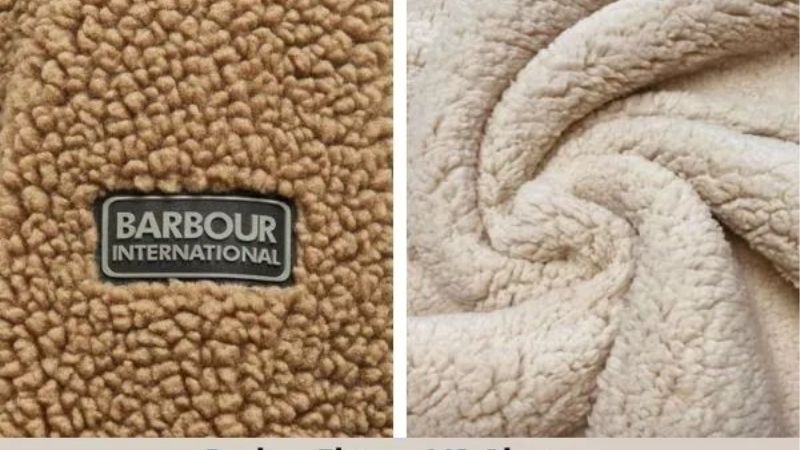
These names describe fabric textures more than a guaranteed level of warmth. Ordinary fleece generally has a smooth, brushed nap, while sherpa has a deeper, curly pile resembling shearling. Most modern examples use polyester, and a reversible throw may combine both surfaces. Start by comparing the actual blanket, not just the category printed on its listing.
| Feature | Standard Fleece | Sherpa or Sherpa-Backed | What to Check |
|---|---|---|---|
| Surface feel | Even, brushed, usually smoother | Curled, fluffy, more textured pile | Which side touches your skin |
| Bulk and drape | Often thinner and easier to fold | Often loftier, especially with two faces | Actual thickness and backing |
| Warmth in use | Can be light or substantial | Often cozy from deep pile and extra construction | Complete blanket, not the name alone |
| Care concerns | Pilling, surface wear, lint | Pile matting, lint caught in curls | Care label and dryer permissions |
| Appearance | Relatively flat, smooth finish | Textured, wool-like visual depth | Room decor and preferred hand feel |
| Best everyday role | Portable throw or adjustable extra layer | Plush couch throw or cold-evening comfort | Who uses it and how often it is washed |
Understand the Fabric Surface, Not Just the Fiber Name
Standard polyester fleece is usually a knit brushed to raise short fibers on one or both sides. Sherpa is also commonly a synthetic knit, but its longer, curly surface creates a more textured, wool-like feel. Neither term, by itself, proves the presence of natural wool. A smooth fleece is not automatically thin, and a sherpa label does not tell you whether the back is smooth, knitted, or another layer [BEDGEAR, 2026].
Inspect the reverse side and product construction. A single-face sherpa textile differs from a two-face throw that joins brushed fleece to sherpa. Bedsure, for example, describes a reversible US-market blanket with a 220 GSM flannel-fleece face and a 260 GSM sherpa face [Bedsure, accessed October 2026]. Those are model-specific fabric weights, not universal definitions of every fleece or sherpa blanket.
Compare Loft, Backing, and Coverage Before Warmth Claims
Loft is the raised height of the surface fibers. A deeper pile can hold still air and create a plush sensation, but warmth depends on the finished blanket’s knit, thickness, layers, coverage, and surrounding conditions. A thick single-layer fleece may feel warmer than a thin sherpa throw. A larger reversible blanket may seem more substantial because it has additional fabric, not simply because one side is called sherpa.
Check whether the blanket is intended as a small sofa throw or a full bed covering. A throw that leaves your feet uncovered may be less useful on a winter bed than a lighter blanket with enough length to stay in place. Compare actual dimensions and construction before assuming that two items labeled queen, oversized, or extra warm will provide equivalent coverage or insulation.
Read Fiber and Care Labels Instead of Guessing from Photos
Both categories can contain polyester, but fiber composition varies. The Federal Trade Commission’s Textile Fiber Rule requires qualifying textile products sold in the United States to disclose constituent fibers by generic name and percentage [FTC, 2014]. The word sherpa describes a finish, so it cannot replace a real fiber-content statement. Confirm the label rather than equating a wool-like appearance with wool.
Care directions matter because a lofty pile can flatten or tangle when handled roughly, while ordinary fleece may form pills after abrasion. Manufacturer advice varies by model and backing. Read whether machine washing is allowed, the recommended water temperature, and whether the dryer is permitted. Save the detailed washing procedure for a care guide; here, the question is which maintenance requirements you are willing to live with.
Choose the Right Blanket for Six Everyday Situations
After comparing the textiles, picture one specific place where the blanket will live. A blanket kept on the couch needs a different balance from one tucked under a comforter or carried to a dorm room. The situations below match actual household habits to fabric construction, including the cases where a reversible design is more practical than choosing one texture exclusively.
For a Lightweight Throw You Grab Throughout the Day
Start with standard fleece when you want an extra layer within reach of a desk, reading chair, or living-room sofa. Its relatively smooth surface is easy to fold and tuck into a basket, and a lightweight version is simpler to carry between rooms. If the household heating is already comfortable, an extremely plush blanket may add bulk without solving a real need.
Look for a finished edge that lies flat, a length that reaches past your feet while seated, and a label that tolerates your normal laundry routine. Fleece comes in many weights, so a heavier version may not be particularly portable. For a frequently moved throw, prioritize how it folds and feels rather than buying the thickest option in the category.
For a Chilly Evening on the Sofa
A sherpa-faced throw is an appealing choice when you want to curl up for a movie or read in a noticeably cool living room. Its textured pile gives a cushioned sensation against arms and legs, especially when the sherpa surface faces inward. A two-sided throw can offer a smooth face as an alternative without requiring another blanket beside the couch.
Check whether the extra plushness becomes inconvenient when the blanket is folded over itself or shared. A very large, thick throw can feel cozy while seated but awkward when you stand up or store it. If the room often swings from chilly to warm, consider a reversible design or a lighter throw that is easy to set aside when it becomes uncomfortable.
For an Extra Layer Beneath an Existing Comforter
Choose a flatter fleece first when you need an adjustable layer on a made bed. A smooth throw or blanket can sit beneath a comforter without building a large mound around the torso or making the bed difficult to remake. This is a choice about managing bulk; it does not change the ideal order of winter sheets, quilts, and top covers for every household.
Measure how much of the sleeping surface the extra layer should cover. A throw may work across the foot of the bed but will not necessarily cover shoulders on a full or queen mattress. If you already have a thick duvet or comforter, a sherpa-backed piece may be more insulation than you want. Try coverage and comfort before adding another heavy layer.
For Someone Who Often Throws the Blanket Off
Begin with a lightweight fleece that can be folded back without much effort. A plush sherpa blanket may feel inviting at bedtime yet become excessive if the bedroom is already warm or the sleeper prefers a lighter cover. Fabric name alone cannot predict overnight comfort, but thickness, size, and the ease of removing a layer are practical factors you can control.
Make the new blanket removable rather than burying it beneath several covers. A smaller dedicated throw may be easier to adjust during the night than a large sherpa blanket shared across the whole bed. If nighttime sweating is persistent, unexplained, or severe, do not treat a blanket choice as a medical solution; discuss the symptom with a qualified health professional.
For Two People Who Disagree About Texture
Consider a reversible fleece-and-sherpa blanket if one person likes a smooth finish and another prefers a textured, fluffy one. You can turn the blanket so a different fabric faces the user, though the total insulation and bulk remain broadly tied to the same finished item. This is a way to vary touch, not a guarantee of two separately measured warmth levels.
Pay attention to the seam where the faces meet, how the edges are finished, and whether both sides are pleasant against bare skin. A reversible construction that curls at the corners or pulls unevenly can be annoying regardless of softness. If two sleepers also prefer very different amounts of coverage, separate personal throws may serve them better than one shared piece.
For Homes Where Blankets Need Frequent Washing
Lean toward a straightforward fleece blanket when pets, messy snacks, or everyday couch use make cleaning frequent. Its shorter nap may be easier to inspect for crumbs or lint, while a deep sherpa pile can catch more debris. That is a practical tendency, not proof that every fleece sheds less or washes better than every sherpa product. Surface finishing and quality still matter.
Before deciding, inspect the care tag, seam security, and whether the blanket will fit your washer without crowding. A washable sherpa throw can work perfectly well in a busy home if its specific care requirements are manageable. Avoid promising that either fabric is stainproof or immune to pilling. Choose the one you can clean and dry correctly after real household use.
Frequently Asked Questions
A few label terms can make blankets sound more specialized than they are. These answers address manufacturing claims, fabric identification, and care questions that do not decide the main fleece-versus-sherpa comparison but can prevent avoidable surprises after you bring a blanket home.
Does Anti-Pill Fleece Mean the Surface Will Never Pill?
No. Anti-pill describes a fabric finish or construction intended to limit the small fiber balls that can appear with wear, not a promise that pilling is impossible. Friction from clothing, upholstery, or frequent laundering can still affect the surface. Look for a clearly described finish and read reviews cautiously rather than treating an unqualified marketing claim as a measured lifetime guarantee.
Pay particular attention to high-contact areas, such as the portion resting beneath elbows on a sofa. A smooth surface can show small pills differently from a long, curly pile, whose more noticeable issue may be clumping or matting. The way a surface ages is also affected by yarn, knitting, and finishing, so no simple label ranks every product for durability.
Is Sherpa the Same Material as Faux Fur?
Not exactly. Sherpa usually refers to a relatively short, curled pile designed to resemble shearling, while faux fur more often imitates longer animal fur. Both may use polyester, but their pile shape, direction, and backing can differ. Do not assume that a listing calling a blanket fluffy identifies the same fabric as one explicitly marked sherpa.
When comparing an online photograph, look for a close-up of the individual tufts and the reverse face. A long, directional faux-fur surface can behave differently from tightly curled sherpa, especially when brushed or folded. The fiber-content label is still needed to establish material composition; the appearance alone cannot reveal the complete textile blend.
Can You Iron a Fleece or Sherpa Blanket to Smooth It?
Do not iron one unless the specific care label explicitly allows ironing and gives suitable settings. Many polyester fleece and sherpa blankets are intended to be kept away from high direct heat, which can flatten texture or damage fibers. A fuzzy pile is not a wrinkle in the same sense as a woven cotton sheet, so pressing it flat may remove the surface you bought it for.
If a blanket arrives creased from packaging, unfold it fully and allow it to relax according to the maker’s guidance. If it is washable, the approved wash-and-dry routine may be more appropriate than applying a hot iron. Avoid steam treatments, heated brushes, or other methods unless the instructions for that exact construction permit them.
Should You Store a Sherpa Throw Differently from Fleece?
Both should be completely dry and clean before storage. A bulky sherpa throw benefits from loose folding rather than prolonged compression that flattens its pile. A lightweight fleece can usually fit into a smaller basket or shelf without the same bulk, but either fabric may crease or pick up odors if packed damp or squeezed against dirty items.
Choose a clean, dry storage spot away from sustained heat and direct sunlight. If you use a container, avoid crushing a delicate pile beneath heavy objects. Recheck the care label for special instructions about backing or trims; a sherpa-faced blanket stitched to a different textile may have storage sensitivities beyond those of the pile itself.
Final Thoughts
The best fleece vs sherpa blanket choice depends on the job: smooth fleece suits light, movable layers, while sherpa offers a textured, plush feel for relaxed, cooler settings. Compare the actual construction, backing, care label, and dimensions before buying. If neither texture fits every person in the home, keep separate throws rather than forcing one blanket to do everything.