
Key takeaways
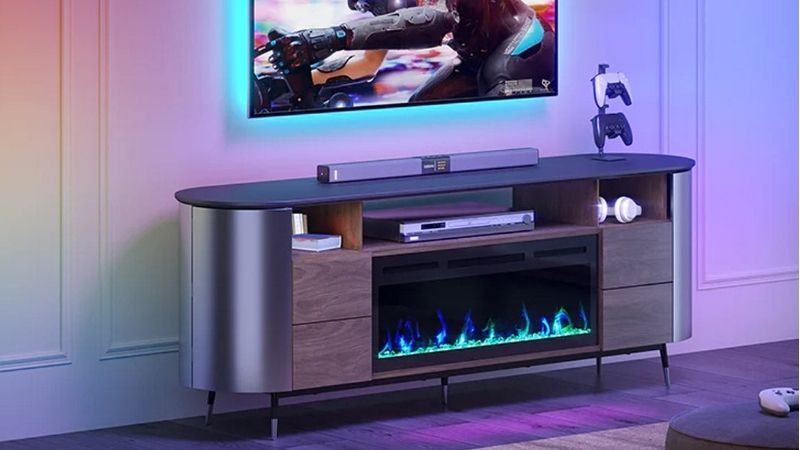
- Yes, a fireplace TV stand can be a good idea when one cabinet must handle a television, media storage, decorative flames, and occasional extra warmth. If you are asking, “is a tv stand with a fireplace a good idea for…
Yes, a fireplace TV stand can be a good idea when one cabinet must handle a television, media storage, decorative flames, and occasional extra warmth. If you are asking, “is a tv stand with a fireplace a good idea for my home?”, the answer depends on how you use the room. It is usually a better atmosphere purchase than a whole-home heating investment, and the fireplace insert should never come at the expense of TV fit or needed storage.
As an Amazon Associate we earn from qualifying purchases.
By KK Home Furnishings Editorial Team
When a Fireplace TV Stand Is Worth Buying
The appeal is simple: one coordinated piece gives you a media console and a visual fireplace without requiring a chimney or a separate mantel. The trade-off is just as real. Some of the cabinet is reserved for the heater, the furniture must accommodate a screen, and the electrical appliance has operating and service requirements. Three purchase tests matter more than how convincing the flames look in a product photo.
Decide Whether You Want Atmosphere or Primary Heat
A fireplace media console works especially well as a focal point for movie nights or a room that occasionally feels chilly. For example, Real Flame says its Tracey Grand electric fireplace TV stand can display flames with the heat turned off and uses a 1,500-watt infrared heating element when heat is selected [Real Flame, October 2026]. The independent flame setting matters for someone who likes the look during warmer months.
Do not treat a manufacturer’s room-coverage estimate as a promise that the cabinet will heat an entire house. Tracey Grand is marketed for supplemental warmth, and its actual effect will depend on the room, insulation, thermostat setting, and airflow. For whole-home heating, the US Department of Energy explains that heat pumps can use substantially less electricity than electric resistance heating [DOE, 2026]. Buy this category for targeted comfort, not as a substitute for an appropriate home heating system.
Protect the TV Viewing Position and Usable Storage
A fireplace insert takes up the portion of a media console that might otherwise contain drawers, cabinets, or a large center shelf. Real Flame’s Tracey Grand is 83.75 inches wide and 34.5 inches high, with a center shelf 44.5 inches wide and 7 inches high [Real Flame, October 2026]. That can look substantial in a large room but also raises the television compared with a lower console. Measure your seated sightline before deciding.
Other models trade width for a shallower profile. The manufacturer lists the Penrose Slim console at 58 inches long and 10 inches deep, with a maximum TV size of 55 inches and a 100-pound mantel limit [Real Flame, October 2026]. That narrow top is not a promise that every television stand foot arrangement will fit. Check actual foot spacing, screen weight, receiver depth, cable access, and the appliance’s approved placement before buying.
Count Assembly, Replacement, and Everyday Running Costs
The cabinet and electric insert are different things with different failure and replacement concerns. Real Flame specifies assembly and a one-year limited warranty on the firebox and mantel for models including Tracey Grand [Real Flame, October 2026]. Before ordering any brand, check whether a replacement insert is sold for that exact model and whether the furniture remains useful if the heating portion eventually fails.
The ongoing cost is driven by heater operation, not merely by the flame display. A 1,500-watt heater is a meaningful electrical load when the heat is active; how much it costs depends on usage, the model settings, and your electricity tariff. Because this is a furniture-buying decision, compare it with a regular console plus a separately selected heating option instead of assuming a combined unit is automatically cheaper. The best value comes from functions you will actually use.
Six Everyday Situations: Buy It or Choose a Regular Stand?
Use the room’s real purpose to make the final call. The six situations below compare a combined electric fireplace console with a conventional TV stand or a separate heating setup. These are decision examples rather than laboratory performance rankings; a model’s written installation and weight limits still govern whether it is suitable for a specific home.
| Room or buyer situation | Practical choice | Why |
|---|---|---|
| Compact room with one TV wall | Fireplace console, if dimensions fit | Combines atmosphere, TV support and some storage |
| Movie nights; little need for heat | Flame-only fireplace console | Offers ambiance without running the heater |
| Large open-plan area needing primary heat | Regular console plus appropriate heating | A small electric insert is supplemental, not whole-home heat |
| Gaming or receiver-heavy media setup | Regular ventilated media console | Often provides more useful equipment space |
| Frequent moves or flexible layouts | Regular, modular TV stand | Less integrated equipment to transport or service |
| Comparing one combo with two separate pieces | Compare total ownership needs | Appearance, repair options and actual use decide value |
A Compact Apartment With One Main Media Wall
Consider the combination when you want a cozy visual anchor but have no good location for a separate fireplace mantel. One cabinet can reduce the number of large pieces competing for the same wall. A flame-only mode gives the room an evening focal point even when the thermostat is already comfortable. The benefit is strongest when the footprint solves a genuine layout problem.
Measure the wall, doorway, walking path, and TV viewing height rather than shopping by screen diagonal alone. A cabinet with a built-in insert can be taller than the low TV stands preferred for some seating arrangements. Check whether the television’s feet sit fully on the supported top and whether any wall anchoring is practical in the room. If the dimensions crowd the sofa or raise the screen uncomfortably, a regular low console is the better purchase.
A Movie Room That Values Flames More Than Heating
This is one of the clearest cases for saying yes. Many buyers want soft visual movement around a dark television wall, not a blast of warm air every evening. Real Flame publishes a heat-off flame mode on its Tracey Grand and Calie consoles [Real Flame, October 2026]. That lets the visual feature remain useful in spring and summer, when running a heater would make the room less comfortable.
Look at how the flames appear with room lights on, whether brightness is adjustable, and whether the insert has its own controls if the remote is misplaced. Manufacturer photos can give a sense of design, but they do not replace seeing the display in person or watching an authentic model-specific demonstration. If you dislike simulated flames or prefer art and lighting beside your television, spend on a standard stand with better storage instead.
An Open-Plan Living Area That Needs Serious Winter Heat
A fireplace TV stand is generally the wrong solution when the main purchase goal is heating several connected rooms. The electric insert may add comfort near the seating area, but open stairwells, high ceilings, and poor insulation change what it can accomplish. Even if a seller advertises a generous coverage figure, that is a manufacturer-stated estimate under unspecified or model-specific conditions, not a heating guarantee.
If your heating system is inadequate, assess that issue separately before choosing the furniture. DOE notes that modern heat pumps can be considerably more efficient for space heating than electric resistance equipment [DOE, 2026]. A regular media cabinet paired with a properly sized home heating plan gives more flexibility. Choose a fireplace console afterward only if you also want its decorative flame feature.
A Gaming Setup With a Receiver, Console, and Soundbar
The insert occupies the very center of the cabinet where a large AV receiver or multiple consoles might otherwise go. Even a wide fireplace media stand can have limited shelf height. For example, the Tracey Grand’s central media shelf is listed at 7 inches high, while the side shelves are adjustable [Real Flame, October 2026]. Those published dimensions tell you what to measure, not whether your equipment automatically fits.
Check the depth of every component including attached cables, the ventilation required by its manufacturer, and where a soundbar will sit. A decorative grille should not hide device airflow, and the fireplace outlet needs its own clear air path. If you own several game systems and prefer to hide the wiring, a purpose-built ventilated media console may offer more usable storage and easier future upgrades than a fireplace cabinet.
A Household That Rearranges or Moves Furniture Frequently
A combined cabinet can be awkward for someone who changes apartments often or frequently rearranges the living room. The heater insert, electrical cord, glass front, and furniture panels all need protection during moving. Real Flame lists Tracey Grand at 182 pounds assembled and says it ships in three boxes [Real Flame, October 2026]. That is a manufacturer example, not the weight of every fireplace stand.
Modular furniture and a separate decorative fireplace may be easier to replace one piece at a time, although separate products can also consume more floor space. Before ordering, inspect the assembled weight, packaging, return conditions, replacement-part availability, and whether the heater can be removed by an approved service process. If portability matters more than the integrated appearance, prefer a conventional stand.
A Buyer Comparing a Combo Unit With Separate Purchases
The winning choice is the one whose useful features justify the total commitment. A combined fireplace stand can avoid buying a separate mantel, but its price also includes cabinetry, an electric heater, controls, and decorative effects. Buying two separate pieces may cost more or less depending on the actual models. There is no reliable universal saving from choosing the all-in-one format.
Compare the cabinet’s usable storage first, then the frequency with which you expect to use the flame display and heat. Review the warranty for furniture and insert components separately, along with return shipping or assembly costs. A standalone heater or fireplace can sometimes be replaced without changing the TV stand; a combined console may look more unified. The better option depends on what you value and will keep using.
Frequently Asked Questions
A few final questions help distinguish a decorative furniture feature from a long-term purchase commitment. These answers cover flame operation, serviceability, furniture selection, and realistic expectations without repeating a full heater-safety checklist.
Do fireplace TV stands need to run the heater to show flames?
No, not on models that provide a separate flame-only setting. Real Flame explicitly lists a heat-off flame mode for its Tracey Grand and Calie electric fireplace media cabinets [Real Flame, October 2026]. The controls and effect options vary by product, so look for that feature in the instructions before purchasing.
This distinction is useful if you live in a warm climate and want the appearance more often than the heat. It also means you can judge the cabinet as year-round furniture rather than assuming the fireplace has value only in winter.
Can the fireplace insert be replaced without replacing the TV stand?
Sometimes, but only if the brand provides a compatible replacement insert and instructions for the precise cabinet model. An insert with similar exterior measurements is not automatically approved for a different furniture enclosure. Manufacturers can change wiring, fastening points, heat outlets, or parts availability between model generations.
Ask the manufacturer for the replacement firebox part number before buying a unit you expect to keep for many years. If no compatible insert is available, a failed heater could leave you with a cabinet whose central opening no longer serves its original purpose.
Is an electric fireplace TV stand better than a regular TV stand?
It is better when you value built-in decorative flames and occasional local warmth enough to accept less central storage, added appliance maintenance, and a potentially taller cabinet. A normal TV stand is often a better fit when you only need a low screen position, flexible shelves, and simple cable management.
Neither type is inherently better for every television. Screen weight, actual foot spacing, viewer eye height, and equipment dimensions still matter. Real Flame’s published limits differ between Penrose Slim and Tracey Grand, showing why the exact cabinet cannot be chosen by appearance alone [Real Flame, October 2026].
What should you check before returning a fireplace TV stand?
Start with the retailer’s return window, whether assembly changes eligibility, and whether the complete insert and cabinet must be repacked. A heavy multi-box item can have handling or shipping conditions that differ from a small household accessory. Read the specific seller’s written terms rather than assuming a universal free-return policy.
If the concern is disappointing flame quality, a mismatch with your TV feet, or not enough electronics storage, checking those details before purchase is far easier than dismantling a finished cabinet. Save the model identification and manuals so you can seek the correct warranty service when appropriate.
Final Thoughts
So, is a tv stand with a fireplace a good idea? Yes if the cabinet fits your screen and media equipment, you will enjoy flame-only ambiance, and its electric heater is supplemental rather than your main heating plan. Choose a regular TV stand when low viewing height, larger AV storage, lighter moving weight, or independent heater replacement matters more. For either choice, follow the exact TV load and fireplace operating instructions; CPSC advises plugging electric space heaters directly into a wall outlet, not a power strip [CPSC, 2026].
