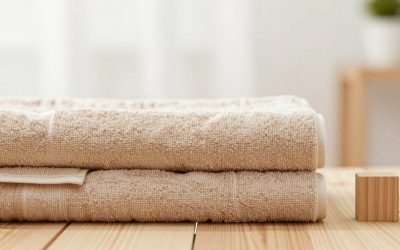
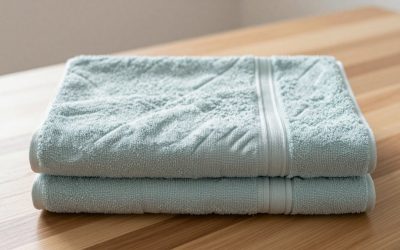
The best towels for sensitive skin are soft, smooth-surfaced, and thoroughly rinsed: long-staple or organic cotton, bamboo-derived blends, and fine waffle weaves are common picks. Equally important is what the towel is washed with. This guide is research-led, not medical advice, and not based on detailed research; anyone with a skin condition should talk to a clinician.
What Irritates Skin About Towels
Skin reactions tied to towels typically come from one of three sources: rough texture, residual chemicals, or trapped moisture. Rough fibers and pilled loops cause friction. Detergent, softener, and finishing agents can remain in the fabric and irritate. Damp towels that stay wet may harbor odors and microbes. Addressing all three gives the best chance of comfort.
Fiber Options
Long-staple cotton
Smooth yarn with fewer protruding ends, which can feel gentler. Often a reliable default.
Organic cotton
Grown under organic farming standards. Choose certified products for assurance, and remember that organic status does not equal hypoallergenic.
Bamboo-derived blends
Silky and drapey, which many find gentle. Wash carefully to avoid pilling.
Microfiber
Soft and light, but the synthetic feel bothers some people. Test with a washcloth first.
Comparison
| Option | Surface feel | Potential concern | Tip |
|---|---|---|---|
| Long-staple cotton terry | Smooth, dense | Early lint | Wash several times before use |
| Certified organic cotton | Soft, natural | Quality still varies | Check weight and ply |
| Bamboo-cotton blend | Silky | Pilling | Wash gently |
| Fine waffle weave | Textured, light | Slightly rougher ridges | Choose softer, mid-weight versions |
| Microfiber | Slick, soft | Static, synthetic feel | Test on small items first |
Washing Rules for Sensitive Households
- Wash new towels before use to remove manufacturing residues.
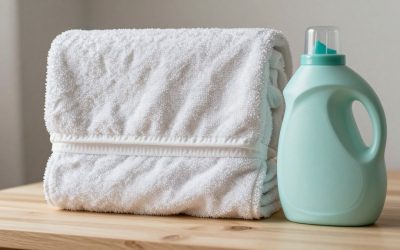
- Use a fragrance-free, dye-free detergent, and measure carefully.
- Add an extra rinse to remove leftover soap.
- Avoid fabric softener and dryer sheets.
- Dry fully; do not leave damp towels in a pile.
- Replace towels that have become scratchy or thin.
Helpful Shopping Searches
Begin with organic cotton towels for sensitive skin. For a silky option, check soft bamboo cotton bath towels. To handle detergent concerns, a separate search for fragrance-free laundry detergent for sensitive skin is worth a look. Treat terms such as hypoallergenic as marketing unless the listing explains what has been tested and how.
Drying Technique
How you dry can matter as much as the towel. Pat rather than rub, especially if skin is irritated or after shaving. Use a clean towel each time for the face and a separate one for the body if you are prone to breakouts. Wash face towels often. If you have eczema or another diagnosed condition, ask your clinician for fabric and detergent suggestions, since needs vary widely.
FAQ
Are white towels safer for sensitive skin?
Dyes can be an irritant for some people, and undyed or lightly dyed towels might help. Individual reactions differ.
Does a higher thread count help?
Thread count is for woven sheets, not towels. Look at fiber, yarn type, and weight instead.
How often should I replace towels?
Replace them when they feel rough, smell despite washing, or show wear. Smoother towels are gentler than aged ones.
Select smooth, well-made cotton or a gentle blend, wash it clean, and dry it thoroughly. Those habits protect sensitive skin better than any single product claim.