Key takeaways
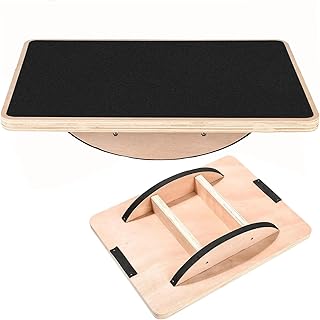
- Movement style: Rocker boards offer controlled front-to-back motion, while wobble and swivel designs create movement in more directions. Choose the style you are most likely to use consistently.
- Height and clearance: A board raises your standing position, so check that your desk can adjust high enough to keep your elbows near 90 degrees and your monitor at a comfortable level.
- Surface comfort: Look for textured, cushioned, or massage-style surfaces if you stand barefoot or in socks. A hard wooden top may feel better with supportive footwear.
- Footprint: Measure the space beneath your desk, especially if you use a chair, filing pedestal, or compact keyboard tray. A large board can become an obstacle in a small office.
- Stability and noise: A grippy base and predictable motion matter more than extreme instability. For shared rooms or video calls, favor a board that moves quietly and does not slide across the floor.
What's inside
A standing desk can reduce the drawbacks of sitting, but remaining upright for hours creates its own problems: tired feet, locked knees, sore calves, and the temptation to shift your weight onto one hip. In a compact home office, a balance board can add useful movement without taking up the floor space required by a treadmill or under-desk cycle.
This guide compares the best balance boards for standing desks in 2026, focusing on stability, surface comfort, movement range, noise, and how easily each model fits beneath a desk. The right choice should encourage natural repositioning rather than turn every work session into a workout.
As an Amazon Associate we earn from qualifying purchases.



How to Choose a Balance Board For Standing Desk (2026)
- Movement style: Rocker boards offer controlled front-to-back motion, while wobble and swivel designs create movement in more directions. Choose the style you are most likely to use consistently.
- Height and clearance: A board raises your standing position, so check that your desk can adjust high enough to keep your elbows near 90 degrees and your monitor at a comfortable level.
- Surface comfort: Look for textured, cushioned, or massage-style surfaces if you stand barefoot or in socks. A hard wooden top may feel better with supportive footwear.
- Footprint: Measure the space beneath your desk, especially if you use a chair, filing pedestal, or compact keyboard tray. A large board can become an obstacle in a small office.
- Stability and noise: A grippy base and predictable motion matter more than extreme instability. For shared rooms or video calls, favor a board that moves quietly and does not slide across the floor.
The Best Balance Board For Standing Desk (2026)s Reviewed
Trobing Standing Desk Mat Balance Board
The Trobing combines a wooden wobble platform with a rollerball feature, giving you a choice between subtle weight shifts and more targeted foot movement. Its anti-slip design makes it a practical fit for a home office, particularly when you want a balance board that also functions as a floor mat.
Standing Desk Anti-Fatigue Balance Board, Large Size
This large rocker-style board prioritizes room for repositioning, making it appealing to users who dislike feeling confined to a narrow platform. It is a sensible option for wider desks, though compact workstations should confirm the dimensions before buying.
Gaiam Evolve Balance Board
Gaiam’s Evolve is designed for constant, low-level movement rather than dramatic balancing drills. Its stability-focused shape suits standing-desk beginners and can also serve for light exercise or physical-therapy-inspired balance practice away from the workstation.
2-In-1 Standing Desk Balance Board & Foot Mat
This dual-sided design is useful when you want one accessory to cover both gentle movement and underfoot comfort. The 360-degree swivel side encourages multidirectional motion, while the foot-massage surface provides an alternative during typing, reading, or video meetings.
Wooden Wobble Board for Adults with Ankle Support
With a simple wooden construction and an ankle-supporting profile, this board suits buyers who prefer a traditional wobble-board feel. It can add variety to a standing setup and double as a balance or core-strength tool, but beginners should start with short sessions near a stable support.
Frequently Asked Questions
Are balance boards good for standing desks?
They can make standing more dynamic by encouraging small, frequent shifts in weight. They are not a replacement for changing positions, sitting occasionally, or taking walking breaks, but they can make a standing desk feel less static.
How long should I use a standing-desk balance board?
Start with five to 10 minutes at a time, especially if you are new to unstable surfaces. Increase gradually only if you can work comfortably without gripping the desk, leaning excessively, or developing foot and calf fatigue.
Will a balance board damage my floor?
Most models are intended for indoor flooring, but grit beneath the base can cause scratches. Keep the contact surface clean and consider a thin protective mat on delicate wood or laminate floors; avoid using a board on loose rugs unless its base is designed for them.
Can I use a balance board while typing?
Yes, provided the movement is controlled and your desk is correctly adjusted. Begin with simple side-to-side or front-to-back shifts, and choose a wider, more stable model if you frequently type, use a mouse, or attend video calls.
Final Thoughts
For a compact home office, the Gaiam Evolve is a strong all-around starting point, while the Trobing offers extra versatility through its rollerball and mat-style design. If comfort is the priority, the 2-In-1 Balance Board & Foot Mat is an appealing space-saving choice; select the model that matches your available clearance and preferred level of movement.