
Key takeaways
- The best changeable dumbbells are adjustable weights whose loading process fits how you actually train. The phrase can describe a selector system,...
What's inside
The best changeable dumbbells are adjustable weights whose loading process fits how you actually train. The phrase can describe a selector system, removable plates, or a convertible kit, so begin by identifying which kind you mean. These arrangements differ in the parts you handle, the place where changes happen, and the steps required before the next lift.
This guide provides practical selection and use considerations. It does not report hands-on product testing.
For a household room, think of the purchase as a small equipment station rather than two objects to hide away. Handles, unused weights, collars, and bases all need an organized location. The most convenient choice is the one you can set up correctly without turning a shared room into a sorting area.
Follow the parts through one change
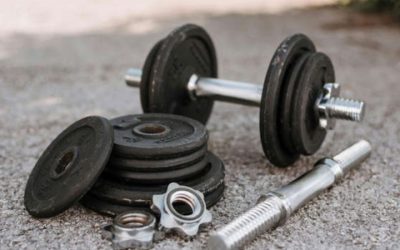
With removable plates, imagine changing from one usable setting to another. Where do the collars go? Where do removed plates rest? How do you keep each side arranged according to the instructions? This is a practical test of the proposed layout, not a reason to reject the design. A suitable low storage arrangement can make the process straightforward.
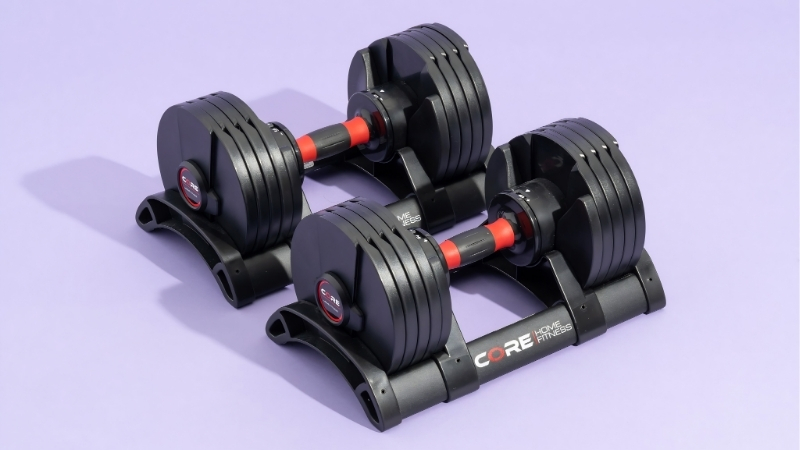
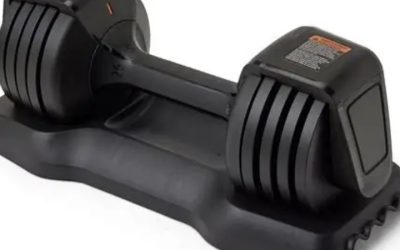
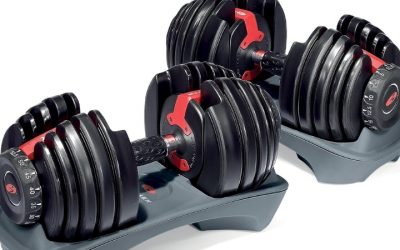
With a selector system, establish how the handle returns to its base and how the selection engages. The base is part of the working setup, not just packaging. A location where furniture blocks access to the selector may defeat the main convenience you were buying. Read the procedure for the specific model instead of assuming all dials work alike.
Compare useful combinations, not just total weight
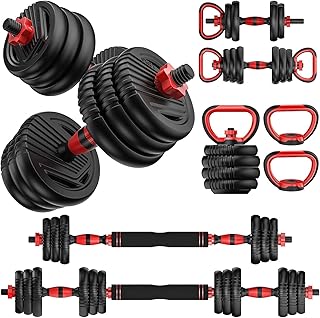
A kit’s combined weight can include both handles and every loose component. Ask what one fully assembled dumbbell weighs and which matched pairs of settings the supplied parts allow. If a product converts into another format, check whether doing so uses components needed for the original pair.
List the actual changes you expect to make during a session. Closely spaced settings may matter to you more than a high maximum, or you may prioritize fewer changes and simpler handling. Neither preference creates a universal winner. Avoid buying additional attachments merely because the kit description presents several possible configurations.
Product listings to compare
As an Amazon Associate we earn from qualifying purchases at no extra cost to you. Product prices and availability are accurate as of the date shown and are subject to change. Compare the selected variant and its current description with the requirements above.
As an Amazon Associate we earn from qualifying purchases at no extra cost to you. Product prices and availability are accurate as of the date shown and are subject to change.




Build an orderly change area
Place the equipment where you can identify every part without moving books, cushions, or office supplies. Loose collars and small plates should have designated compartments that suit their weight. Do not rely on a decorative tray to support heavy components unless its intended use and support are appropriate.
Keep the area separate from a main household route. A plate leaned against a cabinet may fall when someone opens the door, while a collar left on the floor can disappear under furniture. The aim is a predictable arrangement before, during, and after training. Storage that works only when everything is perfectly stacked may be frustrating in daily use.
Check what can be added later
Expandability is useful only when compatible parts remain available and the system permits them. Check handle, plate, collar, and base compatibility for the exact version. Similar appearance or a familiar brand name is not enough. Keep the model details so a later purchase does not depend on remembering an ambiguous product title.
Also confirm limits on the assembled configuration. Do not infer that a handle can accept more load because there is visible space left on it. Conversion components may have separate instructions and restrictions. Follow those rather than treating every arrangement in a promotional photograph as interchangeable.
Shared use needs clear settings
When two people use the same set, agree where it will be returned and how parts will be organized. Each user should check the setup rather than relying on the previous person’s selection. Labels that are easy to read and instructions stored nearby can be more valuable than an attractive finish.
Consider the time and handling involved in taking the equipment out of a cupboard. If the entire set must be moved for every session, compare that burden with keeping a compatible stand in a permanent position. Check the support and floor requirements for either arrangement before choosing it.
Is a convertible kit automatically better value?
Only if you need the extra formats and can use them as instructed. An attachment adds little value when it remains unused or complicates storage. Select changeable dumbbells around the configurations you expect to use repeatedly, and treat the rest as optional rather than as evidence of a better purchase.
Additional product links
- Start 30-Day Prime Free Trial →
- See Today’s Amazon Deals
- ▸ Try Amazon Prime — free 30-day trial
- ▸ Start an Audible Premium Plus free trial
- ▸ Read free with Kindle Unlimited
Related reading
- Best changeable dumbbells
- Chris Parker
- Best Ab Workouts with Dumbbells: 6 Support Picks Compared
- Best Budget Adjustable Dumbbell: 6 Picks and Trade-Offs
- Best Abs Exercise with Dumbbells: 6 Picks by Coating Type
- Best Abs Workout with Dumbbells: 6 Picks for Fast Circuits
- Best at Home Dumbbells: 6 Picks for Sharing a Household
- Best rated yoga mat
- Best mat yoga
- Best home gym equipmen
- Best fitness equipment for home gym
- Best Home Gym Compact Setups: 6 Space-Saving Picks Ranked
- Best Dumbbells Home Gyms Use: 6 Picks Ranked by Delivery
- Best Home Gym Dumbbells: 6 Sets Ranked by Space and Steps





Write Your Review
No reviews yet. Be the first to share your experience!