
Key takeaways
- Buying workout gym equipment is easier when you account for the complete setup rather than separate items. A machine may need plates, a rack attachment...
What's inside
Buying workout gym equipment is easier when you account for the complete setup rather than separate items. A machine may need plates, a rack attachment may need a compatible rack, and storage may need its own installation. Start by identifying these dependencies so the budget describes a usable arrangement.
This guide provides practical selection and use considerations. It does not report hands-on product testing.
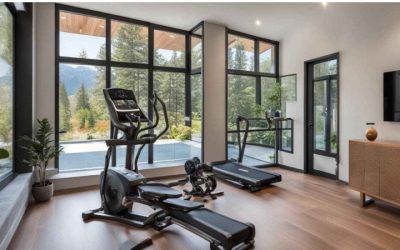
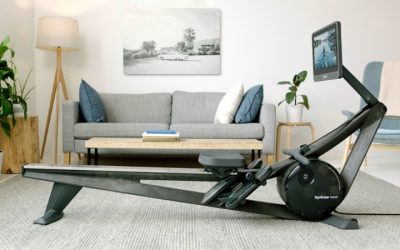
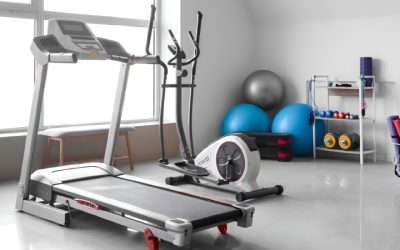
In a furnished home, equipment also competes with ordinary access and storage. The purchase should fit a clear activity plan without assuming that an unused corner can support any machine advertised for home use.
Make a dependency list
For each candidate, write down what is supplied and what else it requires. Use the exact model names when compatibility matters. Similar attachment points or matching colors do not prove that two components are intended to work together.
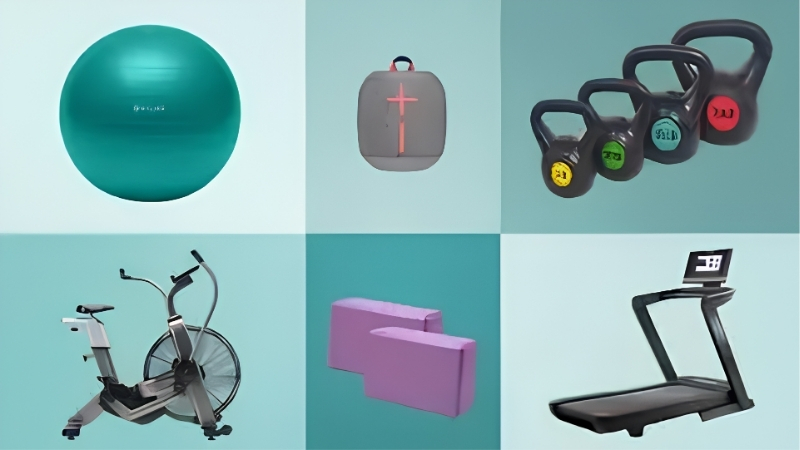
Separate the essentials from optional accessories. A product photo may show a complete room while the offer contains only one component. Compare a standalone machine with the total cost of a compatible alternative system, not with the price of its smallest accessory.
Product listings to compare
As an Amazon Associate we earn from qualifying purchases at no extra cost to you. Product prices and availability are accurate as of the date shown and are subject to change. Compare the selected variant and its current description with the requirements above.
As an Amazon Associate we earn from qualifying purchases at no extra cost to you. Product prices and availability are accurate as of the date shown and are subject to change.


Check installation responsibilities
Read support, anchoring and assembly instructions before placing the order. If the location’s suitability is uncertain, arrange a relevant professional assessment. A shopping guide cannot determine the capacity of a particular floor or the structure behind a wall.
Do not substitute convenient household hardware for specified installation components. Ask for clarification where instructions are incomplete. A machine’s own weight or a description such as commercial-style does not remove model-specific installation requirements.
Allocate working space honestly
Place the operating area on a plan of the room, including the user and access to adjustments. Check doors and storage in their ordinary positions. A layout that works only while someone cannot open a cupboard may be unsuitable for a shared space.
Include overhead restrictions where relevant to the machine and planned activities. Check the actual clearances in the instructions instead of estimating them from an advertising image. Keep cables, moving components and other operating areas free of improvised obstructions.
Walk through an equipment change
Imagine changing a handle, loading a plate or moving a bench in the manner described by the manufacturer. Where does the unused item go? Is there a suitable support nearby? These questions often reveal missing storage before the room becomes crowded.
Use storage designed and installed for its load. Keep compatible attachments identifiable rather than combining similar components in an unmarked box. The arrangement should help the user follow the correct setup, not encourage substitutions when the right part is hard to find.
Compare delivery on equal terms
Confirm the route into the room and ask for relevant package dimensions. Large components may need space for assembly as well as a final position. Plan the handling process before delivery and arrange appropriate assistance or services.
Find out whether the quoted price includes room placement, assembly or removal of packaging. An inexpensive offer may leave those tasks to the purchaser. Make that responsibility explicit when comparing it with a more complete service.
Keep future support practical
Identify the source of manuals, component diagrams and warranty assistance. Check how the exact model is distinguished when parts are requested. A broad family name can be insufficient if different versions use different components.
Follow the specified maintenance and inspection requirements. Leave room to access the relevant areas after installation. Do not assume a familiar material or resistance mechanism guarantees a particular lifespan or allows maintenance to be omitted.
Buy for the next usable arrangement
Choose the item that enables a clear activity within a complete, appropriate setup. Hold additions that lack a defined role. A compatible accessory may become worthwhile later, once experience shows which adjustment or exercise position is genuinely missing.
A home equipment collection does not need to fill every available wall. It needs understandable functions, suitable supports and workable transitions between use and storage. Compare purchases through those requirements so the result is equipment the household can operate and maintain, rather than a set of disconnected offers that still needs another project to become useful.
Additional product links
- Start 30-Day Prime Free Trial →
- See Today’s Amazon Deals
- ▸ Try Amazon Prime — free 30-day trial
- ▸ Start an Audible Premium Plus free trial
- ▸ Read free with Kindle Unlimited
Related reading
- Best workout gym equipment
- Chris Parker
- Best Shoes for Jump Rope: 5 Picks for Concrete and Timber
- Best Shoe for Jump Rope: Forefoot Cushioning and Drop Guide
- Best Full Body Workout Equipment: 6 Machines vs Free Weights
- Best Gym Equipment for Full Body Workout: 5 Key Choices
- Best Workout Exercise Equipment: 6 Picks for Small Homes
- Best beginner jump rope
- Best boxing jump rope
- Best boxer jump rope
- Best cheapest yoga mat
- Best Home Gym Workout Equipment: 6 Picks by Movement Type
- Best Buy Workout Equipment: 6 Picks by Cost Per Year of Use
- Best Home Workout Equipment Budget Guide: 6 Smart Picks
- Best Workout Dumbbells: 7 Picks for Small Home Gym Spaces
- Best Workout Equipment: 6 Picks by Uses Per Square Foot
- Best Equipment for at Home Gym: Budget Order and Priorities
- Best Workout Equipment Home Buyers Actually Use Long Term




Write Your Review
No reviews yet. Be the first to share your experience!