
Key takeaways
- When learning forearm exercises with dumbbells, a useful coaching question is often more specific than which exercise is best. Identify what changes...
What's inside
- Keep a clear reference for each movement
- Observation: the elbow changes position
- Observation: the handle starts to roll
- Product listings to compare
- Observation: the torso supplies the movement
- Record the setup without turning it into a diagnosis
- Check whether the equipment obstructs the reference position
- Take one clear question to the next practice
- Additional product links
- Related reading
When learning forearm exercises with dumbbells, a useful coaching question is often more specific than which exercise is best. Identify what changes during a supported wrist curl or extension: the grip, the elbow position, the support or the torso. A short observation record can help an instructor distinguish those issues.
This guide provides practical selection and use considerations. It does not report hands-on product testing.
This guide explains two movements and a way to document questions about them. It does not diagnose pain or prescribe rehabilitation. If symptoms or uncertainty make the movement unsuitable, stop and seek appropriate advice rather than changing equipment until the problem appears to disappear.
Keep a clear reference for each movement
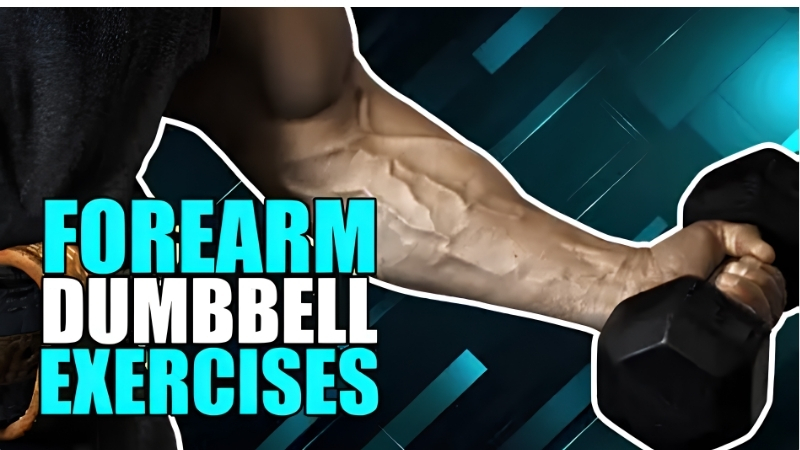
Support your forearms at a bench while kneeling, elbows around a right angle, hands beyond the edge. With palms upward, lower from straight wrists and curl back slowly. Maintain the grip, leave the elbows bent and keep your torso still instead of helping the weights with body movement.
Turn the supported forearms so the palms face down. Starting with straight wrists, lower the hands in control and lift them back to that position. Keep hold of the dumbbells, avoid elbow extension and do not lean to move the load. The forearms stay supported.
Observation: the elbow changes position
Note whether the elbow stays bent and the forearm remains supported, as described above. If the arm begins to move the weight rather than the intended wrist action, record when that happens. Do not simply count the repetition as equivalent and increase the next target.
Ask an instructor to review the setup and chosen resistance. Your note should describe what you saw, not claim a medical explanation. A useful question might concern whether the support position is being reproduced consistently from one attempt to the next.
Observation: the handle starts to roll
The reference movements retain a secure grip. Do not deliberately release the handle toward the fingertips to make the exercise harder. Put the equipment down appropriately and reassess an uncertain grip rather than treating slipping as a progression method.
Record the exact dumbbell and setting when discussing the issue. A handle preference and an unsuitable load are different questions; a written description should not decide which explanation is correct without assessment. Avoid buying a replacement on the assumption that every grip difficulty has the same cause.
Product listings to compare
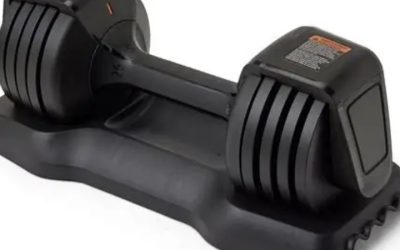
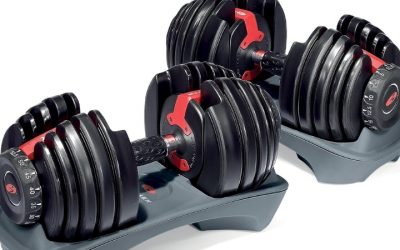
As an Amazon Associate we earn from qualifying purchases at no extra cost to you. Product prices and availability are accurate as of the date shown and are subject to change. Compare the selected variant and its current description with the requirements above.
As an Amazon Associate we earn from qualifying purchases at no extra cost to you. Product prices and availability are accurate as of the date shown and are subject to change.


Observation: the torso supplies the movement
If leaning or rocking appears, note whether it begins immediately or only later in the practice. This gives a coach a more precise question than saying the exercise feels difficult. Do not continue increasing effort merely to complete a planned count.
Keep the observation tied to the specific movement and setup. A palms-up curl and palms-down extension should have separate entries, even when they use the same equipment. Combining them into one general score can conceal where the uncertainty occurs.
Record the setup without turning it into a diagnosis
Write the support used, selected weight, hand orientation and the question you want reviewed. Add what was changed between attempts, if anything. Keep the record descriptive, without assigning an injury or claiming that a particular adjustment fixes a health condition.
If video is used for coaching, arrange it before exercise and review it while resting. Do not turn toward a camera or screen during a loaded movement. Follow the instructor’s request for useful views rather than improvising an awkward position solely to make the clip look clear.
Check whether the equipment obstructs the reference position
Compare the actual dumbbell shape with the supported arrangement. Note unwanted contact with the bench or another object rather than compensating around it. For adjustable equipment, record the configuration and use the documented selection procedure.
Use a support intended for the exercise role. An ordinary furnishing should not substitute because its height appears convenient. Keep room to approach and leave the setup, with a suitable place to return the weights before discussing what happened.
Take one clear question to the next practice
Choose the unresolved detail that most needs instruction, then keep the rest of the record understandable. Changing the support, load and movement together can make it difficult to tell what was actually assessed. A coach can help decide which adjustment is appropriate.
The best next step may be clearer instruction rather than another exercise or a larger weight. Use the curl and extension as defined tasks, with observations that improve the conversation about them. Equipment should allow the intended setup; it should not be asked to diagnose or disguise an unexplained problem.
Additional product links
- Start 30-Day Prime Free Trial →
- See Today’s Amazon Deals
- ▸ Try Amazon Prime — free 30-day trial
- ▸ Start an Audible Premium Plus free trial
- ▸ Read free with Kindle Unlimited
Related reading
- Best forearm exercises dumbbells
- Chris Parker
- Analytics
- Best Ab Workouts with Dumbbells: 6 Support Picks Compared
- Best Budget Adjustable Dumbbell: 6 Picks and Trade-Offs
- Best Abs Exercise with Dumbbells: 6 Picks by Coating Type
- Best Abs Workout with Dumbbells: 6 Picks for Fast Circuits
- Best at Home Dumbbells: 6 Picks for Sharing a Household
- Best beginner jump rope
- Best boxing jump rope
- Best boxer jump rope
- Best cheapest yoga mat
- Best workout exercise equipment
- Best Ab Exercise with Dumbbells: 6 Floor-Friendly Picks
- Best Lat Exercises Dumbbells: 6 Picks for Heavy Row Work
- Best Triceps Exercises With Dumbbells: 6 Equipment Picks
- Best Kettlebell Ab Exercises: 6 Adjustable and Fixed Picks
- Best Dumbbells Exercises: 6 Home Sets That Cover Everything
- Best Arm Exercises With Dumbbells: 6 Home Setups Compared
- Best Exercises Using Dumbbells: 6 Sets That Cover It All
- Best Shoulder Exercises With Dumbbells: 6 Setups Compared



Write Your Review
No reviews yet. Be the first to share your experience!