Our Top Picks
The best industrial wood lathe for bowl turning is a heavy, variable-speed machine with at least a 16-inch swing, a 2–3 HP motor, and enough mass to keep a large blank stable without consuming your entire workshop.
For most serious bowl turners, the right choice is not simply the lathe with the largest advertised capacity. Swing determines the maximum bowl diameter, motor power helps maintain torque as the cut gets deeper, variable speed improves control from roughing to finishing, and bed length matters mainly when you also turn spindles. A compact, rigid lathe can be a better buy than an oversized machine that is difficult to move, level, or safely access.

1 Piece of Beautiful Olive Bowl Blank Lathe Lumber Wood Turning 6 X 6 X 3"
Picked as a relevant option in this category; details come from the product listing.
View on Amazon
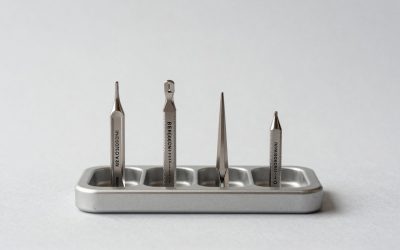
BMWOOD 1"Dia Stem Glide Bowl Turner's 4-Piece Toolrest Set w for Woodlathe Bowl Turning
Picked as a relevant option in this category; details come from the product listing.
View on Amazon
Jecoupoon Curved Lathe Tool Rest 1" Post for Bowl Turning Wood Lathe
Picked as a relevant option in this category; details come from the product listing.
View on AmazonQuick picks by workshop and turning goal
| Turning situation | Recommended specification | Why it fits |
|---|---|---|
| Small dedicated workshop | 12–16 in swing, 1.5–2 HP, 200–600 lb | Handles practical bowl sizes while limiting floor space and vibration |
| General-purpose bowl turning | 16–20 in swing, 2–3 HP, 400–700 lb | Best balance of capacity, torque, rigidity, and cost |
| Large natural-edge bowls | 20–24 in swing, 3–5 HP, 650–1,000 lb | Provides clearance and torque for heavy, irregular blanks |
| Bowls plus furniture spindles | 16–20 in swing, 36–48 in between centers, 2–3 HP | Offers useful spindle capacity without an unnecessarily long bed |
| Frequent production work | 20 in or more swing, 3–5 HP, inverter variable speed, 800 lb or more | Reduces vibration and supports repeated roughing of large blanks |
Swing: choose it from the bowl diameter you actually turn
Swing is the maximum diameter that can theoretically rotate over the bed. A lathe advertised with a 16-inch swing may accommodate a bowl approximately 16 inches across, but chuck jaws, an out-of-round blank, and the tool rest reduce the practical working diameter.
For reliable clearance, choose a lathe with at least 2 inches more swing than your intended finished bowl diameter. If you regularly turn 14-inch bowls, a 16-inch machine is a sensible minimum. If 18-inch bowls are common, step up to a 20-inch swing. This extra capacity is especially important for natural-edge work, where bark, branch stubs, and uneven profiles create more movement than a round blank.
Also check outboard capacity if you plan to turn bowls outside the normal bed swing. Outboard turning can increase diameter, but it generally requires a separate tool-rest arrangement and leaves more of the workpiece unsupported. It is not a substitute for a larger, rigid bowl-turning lathe.
Bed length: useful capacity or unused footprint?
Long beds are valuable for table legs, chair parts, and other spindle work, but they do not make a lathe better at bowl turning. A bowl blank usually occupies only a short distance between the headstock and tailstock. Extra bed length adds weight and floor space without increasing bowl diameter.
For a bowl-focused workshop, 24–36 inches between centers is often enough. Choose 36–48 inches if you expect to turn furniture components. A full-length industrial bed can exceed 60 inches, and the total operating zone becomes much larger once you add the motor, tailstock travel, tool storage, and space to stand safely.
Allow approximately 30 inches of clear standing space in front of the tool rest and at least 24 inches at the headstock and tailstock ends. A 20-inch lathe with a 48-inch bed may need a working footprint of roughly 8 feet long by 6 feet deep, including operator clearance. In a 10-by-12-foot room, that footprint can work, but only if lumber storage, sharpening equipment, and dust collection are planned along the walls rather than around the lathe.
Motor horsepower: torque matters more than the headline number
A 1.5 HP motor is adequate for many bowls up to about 12–14 inches, provided the machine is rigid and the cut is controlled. For a versatile industrial wood lathe, 2–3 HP is the useful middle ground. It provides reserve torque when roughing a wet or unbalanced blank and reduces the need to take excessively light cuts.
Machines rated at 3–5 HP are appropriate for large bowl work, but horsepower cannot compensate for a lightweight stand, flexible spindle, or poor mounting. A powerful motor on a vibrating machine can make the cut more difficult rather than safer. Examine the complete machine weight, stand construction, spindle bearings, and how securely the lathe can be anchored.
Keep in mind that electrical requirements rise with motor size. A 2 HP machine may fit a standard 120-volt workshop circuit depending on its design, while many 3 HP and larger lathes require 240 volts. Confirm circuit capacity before delivery; upgrading power after the machine arrives can be expensive and may affect where it can be installed.
Variable speed control is essential for bowl turning
Electronic variable speed is one of the most useful features on a bowl lathe. Large, unbalanced blanks should start slowly, often around 200–400 RPM, until the rough shape is established. Smaller, balanced bowls may be refined at 800–1,500 RPM, depending on diameter, tool control, and the manufacturer’s limits.
A practical speed range is approximately 50–3,500 RPM, though the low end is more important for large blanks than the maximum speed. A three-step pulley system with belt changes can work, but it is slower to adjust and may offer less precise control. Inverter-driven variable speed usually provides smoother adjustment while turning, plus useful braking and overload protection.
Look for a clearly accessible speed dial or control panel, forward and reverse rotation where appropriate, and a tachometer that shows actual spindle speed. Reverse is useful for sanding and refining certain surfaces, but it does not replace proper chuck security. A bowl blank must be mounted with a fixing method suited to its size, grain, and condition.
Vibration: compare mass, rigidity, and installation
Vibration is usually more disruptive than insufficient speed. It causes chatter, rough surfaces, loose fasteners, and fatigue. The most effective defenses are a heavy cast-iron bed, a rigid headstock, large spindle bearings, a robust stand, and a level floor.
- A machine under about 300 lb can work well for small bowls but may move during roughing unless anchored or weighted.
- At 400–700 lb, many 16–20-inch lathes offer a stable compromise for serious home workshops.
- Machines approaching 800 lb or more are better suited to large blanks, but delivery and placement become substantial projects.
- Bolting the stand to concrete can improve stability, but it makes relocation difficult and may not suit a rented workshop.
- Adding manufacturer-approved ballast can reduce movement, but ballast does not fix a flexible stand or an uneven floor.
Before ordering, measure doorways, thresholds, stair turns, and the path from the delivery point. A machine that is 70 inches long may arrive in a crate wider than the lathe itself. Confirm the packed dimensions and weight, not only the assembled specifications. Moving equipment of this size may require a pallet jack, appliance dolly, lifting equipment, or professional delivery.
Which configuration makes sense?
Best for occasional bowls and limited space
Choose a 12–16-inch swing, 1.5–2 HP motor, and a short bed. This configuration is appropriate when most bowls are under 12 inches and the lathe must share space with a workbench. Prioritize low-speed torque and a stable stand over maximum spindle speed.
Best all-around industrial bowl lathe
A 16–20-inch swing with 2–3 HP and electronic variable speed is the strongest general recommendation. It covers everyday bowls, many natural-edge projects, and moderate spindle work. A machine in the 400–700 lb range usually offers meaningful vibration resistance without becoming impossible to install in a residential workshop.
Best for large and irregular blanks
Select a 20–24-inch swing, 3–5 HP motor, and a heavy stand. Confirm the usable swing over the bed and over the tool rest, because the published maximum may not reflect the clearance available with your preferred rest or chuck. Plan for 240-volt power, wide access routes, and a permanent installation area.
Features worth paying for—and those that are secondary
- Worth prioritizing: low-speed torque, inverter variable speed, rigid cast-iron construction, a large spindle bore, reliable bearings, a sliding headstock, and a tool rest that locks firmly.
- Useful but situation-dependent: reverse rotation, outboard capacity, bed extensions, digital RPM display, and a swiveling headstock.
- Often overemphasized: extreme top speed, very long beds, and a large motor on a light stand.
A sliding or swiveling headstock can improve access to large bowls and reduce the need to lean over the bed. However, it must lock securely and return accurately to alignment. A large spindle bore is more important if you use substantial drive centers, hollowing systems, or longer spindle stock; it has limited effect on the diameter of a bowl itself.
Final buying checklist
Before choosing the best industrial wood lathe for bowl turning, write down your largest expected bowl diameter, typical blank weight, available electrical service, and the room’s actual access route. Then compare the practical swing—not just the catalog swing—the low-speed operating range, total machine weight, bed length, stand rigidity, and service support.
For most home professionals and serious hobbyists, a 16–20-inch, 2–3 HP variable-speed lathe with a 24–48-inch bed is the most balanced choice. Move to a 20–24-inch, 3–5 HP machine only when large bowls are a regular part of the work. The best machine is the one that provides adequate clearance and torque while remaining stable, accessible, and appropriately sized for the workshop where it will actually be used.