Key takeaways
- Size: bigger is better for lounging; confirm numbers on the listing.
- Color fastness: stripes and solids tend to hide stains better than white.
- Edge finishing: hemmed borders resist fraying.
- Attachment options: clips or straps keep towels on loungers in wind.
- Extras: a pocket or hood for children’s towels.
The best pool towels are large, absorbent, and resistant to chlorine and sun, with terry cotton for comfort and lighter weaves for quick drying. If your pool day involves lounging, pick something plush; if you are traveling or hopping between activities, pick something that dries fast. This guide is based on research, not detailed research.
What Makes Pool Conditions Different
Pool towels face repeated wetting, chlorine exposure, sunscreen, and direct sun. Chlorine and strong sunlight can fade colors and weaken fibers over time. Sunscreen can leave oily marks. Wet swimwear transfers dyes, and towels often end up on hot concrete or damp decks. Durability and color retention matter more than at home.
Fabric Choices
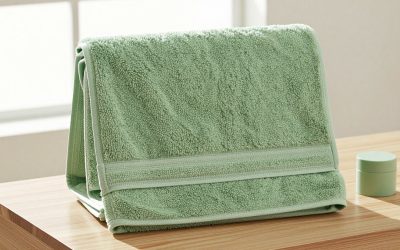
Cotton terry
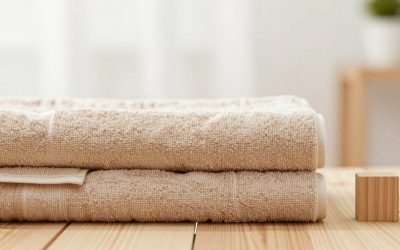
Soft, absorbent, and comfortable on lounge chairs. Heavy when wet and slow to dry, so plan for a spare.
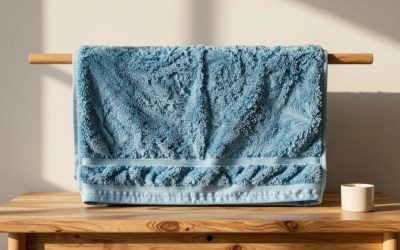
Velour-finish cotton
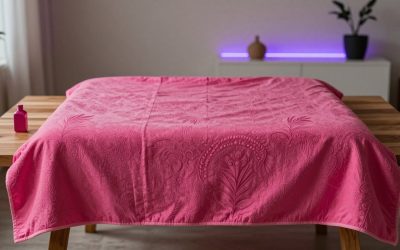
A smoother face with printed patterns, good for display and for less sand or grass clinging. The back loops absorb water.
Microfiber
Lightweight and fast-drying, a good fit for swim bags and kids’ activities.
Waffle and flat weaves
Thin and breathable; they pack easily and dry quickly in sun.
Comparing Pool Towel Types
| Type | Comfort | Drying | Chlorine and sun |
|---|---|---|---|
| Heavy cotton terry | High | Slow | Fades with time |
| Velour-finish cotton | Smooth | Moderate | Printed face can fade |
| Microfiber | Moderate | Very fast | Synthetics tend to hold up well to chlorine |
| Waffle or flat weave | Light | Fast | Cotton versions fade slowly |
Buying Checklist
- Size: bigger is better for lounging; confirm numbers on the listing.
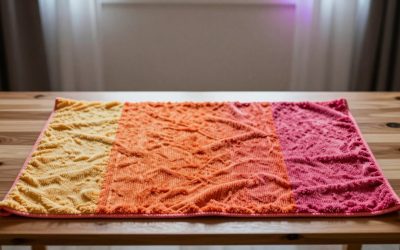
- Color fastness: stripes and solids tend to hide stains better than white.
- Edge finishing: hemmed borders resist fraying.
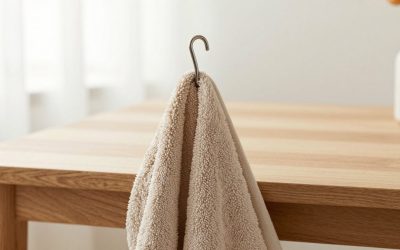
- Attachment options: clips or straps keep towels on loungers in wind.
- Extras: a pocket or hood for children’s towels.
For comfort, browse large cotton pool towels. For quick drying, see quick dry microfiber pool towels. For holding a towel in place, towel clips for lounge chairs are a small add-on. Keep in mind that bright prints are less forgiving when faded by sun, so consider how you want the towel to look in a year.
Care After the Pool
- Rinse towels if possible, especially after heavy chlorine exposure.
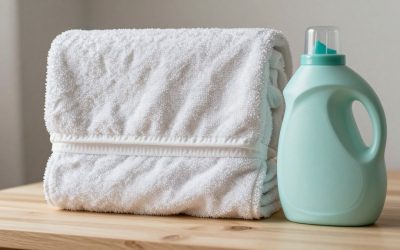
- Wash separately from household towels because of chlorine and sunscreen.
- Use mild detergent and avoid bleach, which can weaken fibers and damage colors.
- Dry fully before storing to avoid mildew.
- Store in a breathable bag rather than a sealed plastic one.
Sunscreen stains are common. Pre-treat with a stain remover or dish soap before washing, and avoid drying a stained towel until the mark is gone, because heat can set it.
FAQ
How many pool towels per person?
One for drying and one spare is practical for a full day. For kids who swim repeatedly, bring extras.
Are dark towels hotter in the sun?
They absorb more heat, which some find uncomfortable. Lighter shades tend to feel cooler.
Can I use my bath towels at the pool?
You can, but chlorine, sunscreen, and sun may age them faster. Many families keep a separate pool set.
Choose your pool towel by how you spend the day, and keep it clean and dry to extend its life.