Key takeaways
- A dfs corner sofa can be a fixed left or right chaise, a movable lounger or a full two-corner-two layout, and the orientation matters as much as the price. This roundup compares four verified DFS ranges from about 1,299 to…
A dfs corner sofa can be a fixed left or right chaise, a movable lounger or a full two-corner-two layout, and the orientation matters as much as the price. This roundup compares four verified DFS ranges from about 1,299 to 1,749 pounds by configuration, seat filling and material so you match the sofa to your room first.
As an Amazon Associate we earn from qualifying purchases.
By KK Home Furnishings Editorial Team
How to Choose a DFS Corner Sofa
At DFS the same corner idea comes in several orientations and fillings, so the first job is to match the configuration to your room first. Decide on fixed left or right versus a movable lounger, compare foam and fibre seats, then weigh material and the frame guarantee, because price is the last thing to settle, not the first.
Choose Fixed Left/Right or a Flexible Lounger
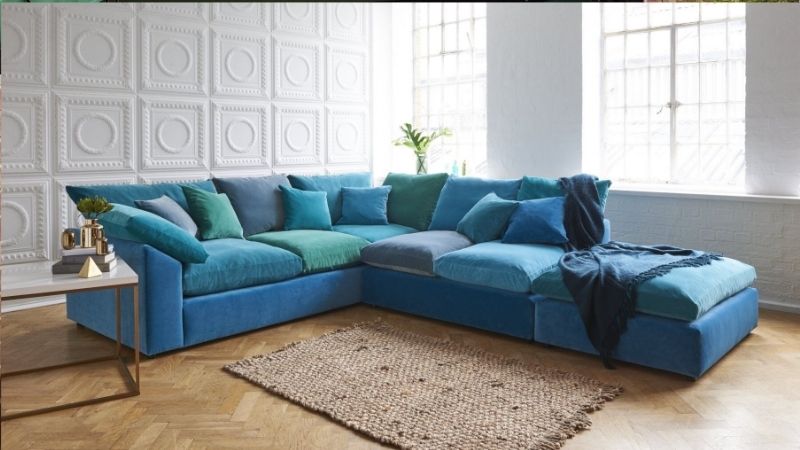
Orientation is the first real decision, because a corner sofa is not reversible by default. The Dwell Appleton is a fixed right-hand chaise, the Joules Patterdale a fixed left-hand chaise, and the New Camden a lounger that moves to the left or right. Pick based on which way your room’s corner actually runs when you stand in it.
Map it against the door and window positions. A fixed left-hand or right-hand chaise commits the long section to one side, so stand in the room and decide which side the chaise must sit before choosing a model. A movable lounger like the New Camden suits households that may rearrange the room or move the sofa later on.
Getting orientation wrong is costly to fix. A fixed chaise facing the wrong way blocks a walkway or a doorway and cannot simply be flipped, so these configurations are not interchangeable at all. If you are unsure how the room will settle, the flexible lounger avoids locking you into a handedness you might come to regret later.
Compare Foam and Fibre Seat Fillings
Seat filling changes how the sofa feels and how it ages over time. The Appleton, New Camden and Zinc use foam seats, which hold their shape and give firmer support, while the Patterdale uses a fibre filling that feels softer and more relaxed. Neither is better outright; the right one depends on how you like to sit each day.
Match the filling to your habits. Foam suits people who want a supportive seat that keeps its form and needs little fussing, which helps in a busy family room. Fibre suits a softer, sink-in feel but needs regular plumping to stay looking full, so factor that upkeep in before choosing it for a sofa you will use heavily.
Longevity differs too. Foam gradually softens with years of use but holds structure, whereas fibre compresses faster and shows dents unless it is plumped often enough. For a sofa expected to take heavy daily use, foam generally keeps its look longer, while fibre rewards a household that enjoys a plush seat and will maintain it.
Check Material and Care Before Colour
Upholstery and care should be settled before the colour swatch. The Patterdale is offered in a Deluxe Velvet, the Zinc and New Camden in fabric, and each material cleans differently, so the look you love should also suit the room’s traffic. Velvet reads luxurious but shows marks and needs gentle, regular attention to stay fresh.
Choose by household, not just appearance. A hard-wearing fabric copes better with children and pets, while velvet suits a formal room where the sofa sees lighter use through the week. Ask how each material is cleaned and whether covers are fixed or removable before deciding, since a fabric that stains easily is a daily chore at home.
Think about the long-term wear points. Upholstered sofas tend to show it first at the seat fronts and arms where contact is heaviest, regardless of colour choice. A mid-tone fabric hides everyday marks better than a pale or very dark one, so if the sofa will be heavily used, let practicality temper the colour rather than lead it.
Compare Current Price After Matching Configuration
Only compare prices once the orientation and filling match. As of October 2026 the Dwell Appleton is about 1,299 pounds, the New Camden 1,349, the Joules Patterdale 1,499, and the Zinc 1,749 at DFS. Line up like for like, because a single fixed chaise and a full corner layout are simply not the same purchase to begin with.
Note how close two of them sit. The Appleton at 1,299 and the New Camden at 1,349 differ by only about 3.85 percent, so neither is far cheaper than the other, and fifty pounds should not decide it; configuration and filling should. The Zinc sits highest because it is a full two-corner-two layout, not a single chaise.
Factor costs beyond the sticker. DFS typically adds a delivery charge, and the Appleton is sold online only, so the channel affects how you buy it. Published dimensions were not consistent across these ranges on the sources checked, so use the DFS size panel to confirm fit rather than assuming a four-seater width is standard.
Top Picks
Each pick below plays a defined role, with configuration, filling and guarantee drawn from current DFS listings as of October 2026. Prices and ranges change, so confirm before ordering. The table pairs the key detail with the main catch for each sofa, and all four carry the same long frame guarantee noted in the detail below.
| Product | Best For | Key Spec | Watch Out For |
|---|---|---|---|
| New Camden 4-Seater Lounger | Best Overall | movable lounger; foam; ~1,349 pounds | Delivery charge applies |
| Appleton RH Chaise | Best Value | ~1,299 pounds; foam; right-hand facing | Online only; fixed orientation |
| Patterdale Velvet LHF Chaise | Best for Velvet Style | Deluxe Velvet; fibre; ~1,499 pounds | Fixed left-hand only |
| Zinc 2 Corner 2 | Best True Corner Layout | two-corner-two; foam; ~1,749 pounds | Highest price in sample |
New Camden: Best Overall
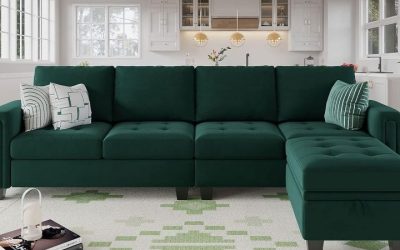
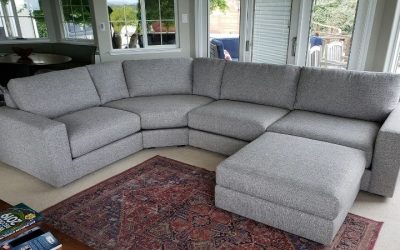
The French Connection New Camden is the overall pick, a four-seater lounger whose section moves to the left or right. It uses a foam seat, carries a 15-year guarantee on the frame and frame springs, and lists at about 1,349 pounds at DFS as of October 2026, a mid-range price for a flexible corner-style layout of its size.
It suits a room whose layout might change, since the movable lounger adapts to either side rather than locking you into one handedness. The foam seat holds its shape with little upkeep, which helps in a family space. Use the DFS size panel to confirm the footprint, as published dimensions were not consistent across the ranges.
The main catch is cost beyond the price: DFS typically adds a delivery charge, so budget for that on top of the 1,349 figure. As with any foam seat it will soften gradually over years of heavy use, though it keeps its structure better than fibre, and the 15-year frame guarantee covers the structural parts rather than the fabric.
Appleton: Best Value
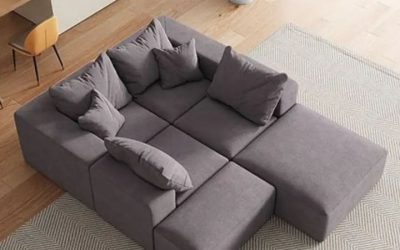
The Dwell Appleton is the value pick at about 1,299 pounds at DFS as of October 2026, the lowest price here. It is a right-hand-facing chaise with a fixed foam seat and back and the same 15-year frame and springs guarantee, making it a straightforward corner option for a room whose corner clearly runs to the right side.
It fits a buyer who knows the chaise needs to sit on the right and wants supportive foam without paying more. The fixed configuration keeps it simple, and foam holds its shape well in daily use. Because it is sold online only, there is no in-store trial, so check the DFS dimensions carefully against your room before ordering.
Two limits define it. The right-hand orientation is fixed, so it will not suit a room that needs the chaise on the left, and being online only means you commit without sitting on it in a showroom first. Its 1,299 price sits only about 3.85 percent below the New Camden, so value, not a big saving, is the real draw.
Patterdale: Best for Velvet Style
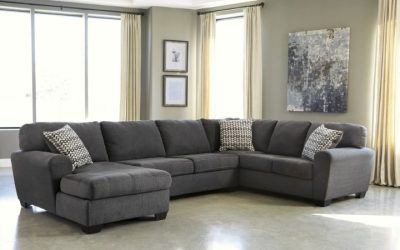
The Joules Patterdale is the style pick, a left-hand-facing small chaise offered in a Deluxe Velvet with a fibre seat filling. It carries the 15-year frame and springs guarantee and lists at about 1,499 pounds at DFS as of October 2026, a mid-to-upper price that reflects the velvet finish and the softer seating feel it offers.
It suits a more formal room where the look leads and the sofa sees lighter use, since velvet rewards a setting that is not under constant daily strain. The fibre filling gives a softer, sink-in seat. Confirm the left-hand orientation matches your corner, because this particular chaise is fixed and cannot be switched to the right.
The trade-offs are upkeep and orientation. Velvet shows marks and needs gentle, regular care, and the fibre seat wants plumping to stay looking full, so it asks more maintenance than a foam fabric sofa. The fixed left-hand layout also limits placement, so it is best when both the style and the handedness clearly suit the room.
Zinc: Best True Corner Layout
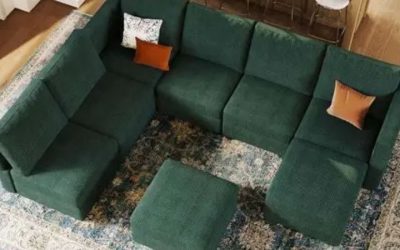
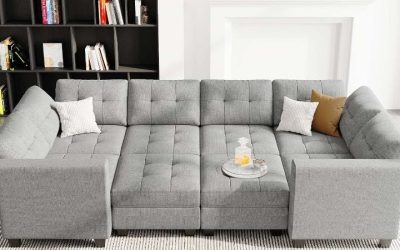
The French Connection Zinc is the pick for a full corner, configured as a two-corner-two layout with foam seats. It carries the 15-year frame and springs guarantee and lists at about 1,749 pounds at DFS as of October 2026, the highest price here, reflecting its larger footprint and genuine corner-sofa format rather than a single chaise.
It suits a bigger living room that needs a proper corner sofa seating several people around the angle, not just a chaise extension. The foam seats keep their shape under family use, and the symmetrical two-corner-two shape fills a square corner neatly. Measure the full footprint with the DFS size tool before committing to it.
The obvious catch is price: at 1,749 pounds it is the dearest option here, so it makes sense when you need the true corner capacity rather than a single-chaise layout. As a larger piece it also demands more floor space and a clear delivery path, so confirm doorways and the room size before ordering this bigger configuration.
Frequently Asked Questions
Buyers ask the same practical questions about these sofas, mainly around orientation, filling, price and the guarantee. Each answer below starts with the direct reply, then adds the condition that changes it, so you can apply it to the exact model and room you have rather than to a general corner-sofa assumption that may mislead.
What does left-hand facing mean on a corner sofa?
Left-hand facing describes which side the long chaise sits on as you look at the sofa from the front. On a left-hand-facing model like the Patterdale, the chaise extends to your left; a right-hand-facing one like the Appleton puts it on your right. Getting this right is essential, because these are fixed and not reversible.
Work it out by standing where you will view the sofa. Face the space the sofa will occupy, then decide which side the chaise must run to avoid a door or walkway, and match that to the model’s handedness. Confusing the two is a common mistake that leaves the chaise blocking a route through the room once it arrives.
If you cannot commit to a side, choose a flexible layout. The New Camden lounger moves to the left or right, which sidesteps the handedness question entirely and suits rooms that may be rearranged. For a fixed chaise, double-check the orientation against the room before ordering, since it cannot be flipped around afterwards.
Is foam or fibre better for a DFS corner sofa?
Neither is universally better; they feel and age differently. Foam, used in the Appleton, New Camden and Zinc, gives a firmer, supportive seat that holds its shape with little effort. Fibre, used in the Patterdale, feels softer and more relaxed but needs regular plumping to keep from looking flat and tired over time.
Choose by how you sit and how much upkeep you want. Foam suits busy family rooms and people who prefer support with minimal fuss; fibre suits those who like to sink in and will take a moment to plump the seats. The heavier the daily use, the more a supportive foam seat tends to pay off in keeping its shape.
Longevity leans toward foam for hard use. Foam softens gradually but keeps structure, while fibre compresses faster and shows dents without frequent plumping. If the sofa will see constant daily use, foam generally holds up better; if a plush, relaxed feel matters more and you will maintain it, fibre is a reasonable choice.
How much is a DFS corner sofa?
In this verified sample, prices run from about 1,299 pounds for the Dwell Appleton to roughly 1,749 for the Zinc, with the New Camden near 1,349 and the Patterdale around 1,499, all at DFS as of October 2026. That range reflects configuration and materials rather than one single standard corner-sofa price across the board.
What moves the figure is layout and filling, not just size. A single fixed chaise sits at the lower end, while a full two-corner-two layout like the Zinc commands more for its larger footprint; velvet and fibre finishes add cost over plain fabric and foam. Decide the configuration you need before judging a price as high or low.
Remember the extras when budgeting. DFS typically adds a delivery charge, and some models are online only, so the total is more than the listed figure on the page. Prices and ranges also change, so treat these numbers as current snapshots and confirm the live price for the exact configuration before committing to any one sofa.
How long is the DFS frame guarantee on these picks?
All four picks carry a 15-year guarantee on the frame and frame springs at DFS, as listed on their current pages as of October 2026. That covers the structural skeleton of the sofa, which is the part expected to last longest, rather than the parts that wear with everyday contact over the years of ordinary use.
Read what the guarantee does and does not include. A frame-and-springs guarantee protects the structure, but upholstery, foam and fibre fillings wear through normal use and are generally treated separately, so the headline 15 years should not be read as covering the fabric or the cushions for that entire period of time.
Use it as one factor, not the deciding one. A long frame guarantee signals confidence in the structure, but seat comfort over time still depends on the filling you choose and how it is maintained. Check the current guarantee terms on the DFS page for your exact model, since cover details can change between the ranges.
Final Thoughts
Choosing a dfs corner sofa starts with the room, not the price tag: settle the orientation or lounger flexibility, pick foam or fibre for how you sit, then weigh material and the frame guarantee before cost decides. The flexible New Camden, value Appleton, velvet Patterdale and full-corner Zinc each suit a room and layout.