Key takeaways
- Fleece can be warm enough for winter on a heated sofa or as an added bed layer, but a thin fleece blanket may not keep a cold bedroom comfortable by itself. To answer is fleece warm enough for winter, consider…
Fleece can be warm enough for winter on a heated sofa or as an added bed layer, but a thin fleece blanket may not keep a cold bedroom comfortable by itself. To answer is fleece warm enough for winter, consider the fabric’s loft, coverage, and exposure to drafts. For outdoor clothing, fleece generally works best under a wind-blocking shell.
As an Amazon Associate we earn from qualifying purchases.
By KK Home Furnishings Editorial Team
How Fleece Keeps You Warm and Where It Falls Short
Fleece is not a heater: it helps slow the loss of warmth already produced by your body. Brushed synthetic pile holds air within the material, which is why a soft fleece can insulate without the heavy feel of some woven blankets. Polartec describes this air-trapping construction in its Fleece Series documentation [Polartec, accessed October 2026].
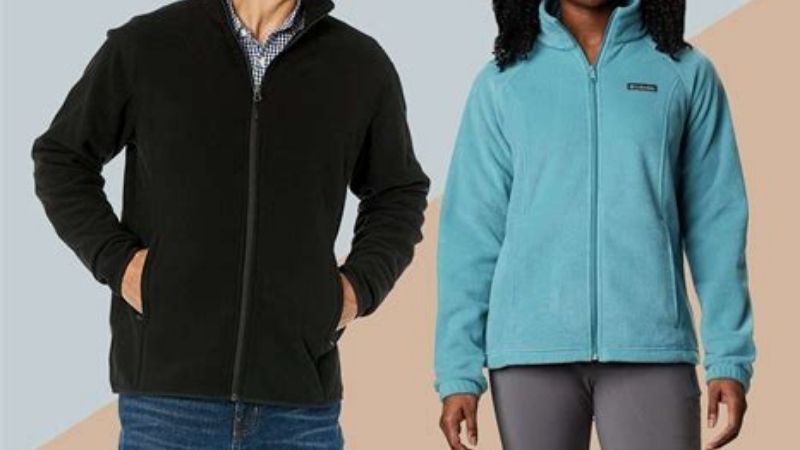
This guide uses Polartec fabric documentation, REI cold-weather layering advice, and published bedding descriptions from L.L.Bean and Bedsure, reviewed as of October 2026. These are manufacturer information and expert guidance, not our own laboratory blanket tests. There is no supported single outdoor temperature at which every fleece blanket becomes sufficient.
| Winter Situation | What Fleece Can Do | Practical Choice |
|---|---|---|
| Heated living room, sitting on a couch | A comfortable insulating layer without much bulk | A regular fleece throw may be enough |
| Cool bedroom with ordinary bedding | Adds loft, but coverage and other bed layers matter | Use fleece as a supplemental layer |
| Very cold or drafty sleeping area | Air movement and exposed edges can reduce comfort | Consider a fuller, more insulating bed setup |
| Windy outdoor activity | Ordinary fleece is breathable but lets wind through | Pair fleece clothing with a protective shell |
| Damp conditions | Polyester fleece can dry relatively quickly | Keep bedding dry; choose protection for rain |
| Someone who overheats easily | Heavy pile may feel too warm even indoors | Choose lighter fleece or a removable layer |
Fleece Traps Warm Air, but Fabric Construction Matters
The raised surface of a fleece fabric creates small spaces that can retain air near the body. Polartec explains that its synthetic fleece uses a knit construction with a raised pile, and offers different fabric weights for different insulation needs [Polartec, accessed October 2026]. This explains the general mechanism, not a guaranteed warmth rating for every household blanket called fleece.
A tightly constructed, lofted blanket can feel more insulating than a flatter or worn one, even when both say polyester on the tag. Two blankets of similar weight may have different pile heights, backing materials, and edge finishes. When shopping, look at the actual construction and whether the product is a single layer, a bonded double layer, or a fleece-faced insulated blanket.
GSM Describes Fabric Mass, Not a Winter Temperature Rating
GSM means grams per square meter. It helps describe how much the fabric weighs for a given area, not how much heat it will retain in your room. Bedsure makes that distinction in its September 2026 explanation of fleece blanket weight, noting that pile, structure, and conditions also influence perceived warmth [Bedsure, 2026].
Within otherwise similar designs, a heavier fabric may feel more substantial, but a higher GSM number is not proof of a specific sleeping temperature or a better blanket for everyone. If the seller lists GSM without the number of layers or the finished blanket dimensions, important information is still missing. Treat GSM as one comparison detail instead of an automatic winter rating.
Drafts, Full Coverage, and Dampness Change the Result
Air moving past the fabric can undermine the insulation you expect. REI notes that conventional fleece breathes well but allows wind to pass through, which is why cold-weather clothing often needs a wind-protective outer layer [REI, accessed October 2026]. An indoor throw does not face outdoor wind, but a strong draft or uncovered feet can still make a snug fabric feel insufficient.
For a bed, a fleece throw that covers only your lap cannot perform the same job as a blanket that reaches your shoulders and feet. Damp or sweaty bedding is another comfort issue, even with a quick-drying fiber. REI identifies polyester fleece as fast drying, but that does not mean a wet blanket should be treated as a reliable dry winter covering [REI, accessed October 2026].
Six Winter Situations: When to Use Fleece Alone or Layer It
Choose the setup around what you are doing rather than the season printed on a product label. A throw for sitting still, a blanket for overnight sleep, and a fleece jacket worn outdoors all face different heat-loss conditions. The decisions below focus on coverage, airflow, moisture, and whether you can easily add or remove a layer.
Relaxing on a Sofa in a Heated Living Room
A fleece throw is often sufficient for reading or watching television in a comfortable, heated room. Soft pile and an easy-to-drape shape provide local warmth without requiring the loft of a full comforter. If the main problem is chilly knees or feet, a properly sized throw is likely to be more useful than replacing the entire room’s bedding with a heavier material.
Check how the throw falls when you sit back and stretch your legs. A thin decorative fleece may slip off your feet, while a more generously sized throw stays in place. Fleece is a practical choice here because you can set it aside when you warm up. This is a recommendation for everyday indoor comfort, not a claim that a particular throw will suit every thermostat setting.
Sleeping in a Cool but Normally Heated Bedroom
A full-size fleece blanket can work as one layer in a winter bed, particularly over a sheet or below a comforter. It provides a soft insulating addition that is easy to remove if the room warms overnight. If you already like the weight of your regular duvet or comforter, adding fleece may be more practical than buying an entirely different top layer for a short cold spell.
Compare the stated finished dimensions with your mattress and the amount of side drape you want. A narrow fleece throw placed on a queen bed is better suited to targeted foot warmth than complete overnight coverage. The useful purchase question is whether the fleece improves an existing sleep setup, not whether it can universally replace all other blankets.
Trying to Sleep in an Unheated or Drafty Bedroom
Do not assume one ordinary fleece blanket will be enough. A room with substantial air leakage, cold bedding, and frequent drafts creates a different challenge from a heated living room. More insulating coverage and a way to reduce drafts may matter more than the feel of the fabric. This is an especially important distinction for someone evaluating fleece as their only winter bed covering.
Start by checking for gaps at the shoulders, sides, and foot of the bed, then consider an appropriately sized comforter or a layered blanket system. A fleece layer remains useful, but it is not a substitute for safe room heating or adequate shelter in severe cold. There is no published blanket-specific temperature threshold in the sources reviewed that would justify a one-size-fits-all promise.
Wearing Fleece Outside on a Windy Winter Day
For clothing, fleece is primarily an insulating middle layer rather than guaranteed protection from the elements. REI’s cold-weather system combines a moisture-managing base, an insulating middle layer, and an outer layer that blocks wind and precipitation [REI, accessed October 2026]. A thick fleece jacket may feel comfortable in still air and noticeably less protective in a gust.
Some fleece is designed differently. Polartec says its Wind Pro fabric uses a tighter knit to resist wind more effectively than its regular fleece [Polartec, accessed October 2026]. That is a property of a specific fabric family, not permission to call every fleece windproof. For prolonged outdoor exposure, check the garment’s shell, conditions, and weather protection separately.
Keeping Warm in a Camper, Cabin, or Occasional Guest Room
Portable fleece is convenient for an extra layer in a guest bed or travel bag, especially when storage space matters. Yet a winter camper or minimally heated cabin may call for more than a standard household fleece throw. L.L.Bean’s fleece-faced Puffer Blanket, for example, combines a fleece side with separate bonded polyester insulation and a ripstop outer, rather than relying on fleece alone [L.L.Bean, accessed October 2026].
That construction shows why an insulated outdoor blanket and a simple fleece throw should not be treated as equivalent. Read the actual product description for added fill, wind-facing fabric, dimensions, and cleaning instructions. Avoid interpreting a brand’s word “warm” as a temperature rating; without a specified testing method and conditions, it remains a descriptive claim rather than a universal cold-weather guarantee.
Sharing a Bed or Dealing With Changing Nighttime Comfort
When two people have different warmth preferences, fleece is useful because it can cover one side of the bed or be folded away without changing the other person’s comforter. A lightweight fleece layer may also suit someone who becomes hot under a dense winter duvet. This flexibility can matter more than maximum thickness in a bedroom where the preferred temperature changes overnight.
If one sleeper consistently needs more coverage, a separately sized fleece blanket can solve that local problem without adding weight to both sides. If the fleece causes overheating, reduce the pile weight or remove the layer instead of assuming more warmth is always better. Fleece can be enough for winter only in relation to the person, room, and complete bed setup.
Frequently Asked Questions
These questions address material labeling, fabric variations, and care decisions that often come up while choosing fleece for a winter bedroom. They do not replace the coverage and layering decisions above, but they help distinguish similarly named textiles before you buy or wash them.
Is Fleece Made From Wool or Polyester?
Most household polar fleece is a synthetic fabric, commonly polyester, rather than sheared sheep wool. The word fleece can also describe the natural coat of an animal, so the product’s actual fiber-content label is the dependable way to distinguish materials. Polartec identifies its conventional fleece as synthetic knit; a familiar soft texture is not proof of wool content [Polartec, accessed October 2026].
In the United States, the FTC explains fiber-content disclosure rules for covered textile products, including household bedding [FTC, accessed October 2026]. Check the label for polyester, wool, or blends instead of relying on a style term in the product title. A synthetic fleece blanket should not be marketed or understood as a wool blanket merely because the word fleece appears on the listing.
Is Sherpa Fleece Necessarily Warmer Than Smooth Polar Fleece?
No. Sherpa-style pile may look thicker and feel plusher, but its appearance does not establish a consistent advantage over every polar fleece. Construction, density, backing, and the amount of trapped air influence insulation. A sherpa-faced blanket bonded to another layer is also not a fair one-to-one comparison with a single sheet of ordinary fleece.
Inspect both sides of a blanket and check whether the listing states a separate backing or fill. A sherpa-style surface may be chosen for texture as much as warmth. Instead of ranking them solely by the fabric name, compare products with similar size and layer construction, then make a judgment based on the coverage and softness you actually need.
Does Fleece Feel More Static-Prone During Winter?
It can. Synthetic fibers may collect static charge, and dry indoor winter air can make small shocks or cling more noticeable. Static is a comfort and handling issue, not evidence that a fleece blanket has become electrically heated. The degree varies with fiber blends, laundry practices, and the rest of your bedding, so it is not a dependable way to judge insulation.
If cling bothers you, check the care label before changing laundering or drying methods. Do not apply an unapproved treatment or high heat simply to manage static. A different sheet material or a less cling-prone blanket can be an easier household choice if softness and handling matter more to you than the particular fleece finish.
Can Washing Reduce the Warmth of a Fleece Blanket?
Repeated rough washing or excessive heat can change the surface feel of some fleece blankets, including flattening or damaging a raised pile. That may alter comfort and the air spaces at the surface, but there is no universal percentage of warmth lost after a given number of washes. Follow the care instructions for the particular construction and any bonded backing.
After laundering, check for matted patches, distortion, or damaged seams rather than judging by age alone. Some polyester fleece products are specifically labeled for machine washing and drying: L.L.Bean lists both on its fleece-faced insulated blanket, but that is an instruction for that product, not every fleece blanket [L.L.Bean, accessed October 2026].
Final Thoughts
Fleece is warm enough for many winter uses, especially indoors, but do not buy it as a guaranteed single-blanket solution for a cold, drafty bedroom. Before choosing, inspect the finished size and layer construction, then decide whether the fleece will be a removable comfort layer or the main covering. That distinction is more useful than a generic seasonal label or an isolated GSM number.