Key takeaways
- Year 1 Costs: Wall-mounted systems generally run between $90 and $300 for hardware. However, you may need to spend $20 to $50 on installation tools (a stud finder, spirit level, wall anchors, and heavy-duty drill bits) or $150–$300 for professional mounting labor. Freestanding options cost between $50 for fabric/plastic units up to $400 for engineered wood armoires, requiring zero specialized tools or external labor costs.
- Years 2 to 4: Wall-mounted metal track systems suffer virtually zero structural wear because weight stress is transferred directly to the home’s wood studs. Modular shelves can be reconfigured for free. Cheaper freestanding wardrobes—particularly those made with plastic connectors or light fabric covers—may show sagging shelves, broken zip closures, or loose hinges that demand repairs or full replacement.
- Year 5 (Moving or Renovating): If you move out of a rental after five years, a wall-mounted system must be uninstalled, leaving anywhere from 6 to 20 drill holes behind that require drywall spackling, sanding, and touch-up paint ($30–$80 in materials). A freestanding wardrobe can simply be moved out or loaded onto a moving truck without leaving a trace on the walls.
What's inside
When your bedroom is overflowing with clothes and shoes, deciding how to add storage comes down to a fundamental structural debate: wall mounted closet system vs freestanding wardrobe closet. It is not just a choice about aesthetics; it is about how you interact with your floor space, whether you own or rent your place, and how much structural alteration you are willing to make to your walls. A wall-mounted installation frees up physical floor real estate and creates a sleek, customized built-in look, but it demands drill bits, stud finders, and a permanent commitment. A freestanding unit offers instant gratification, total mobility, and zero drywall damage, but it takes up significant floor space and can make a small room feel boxed in.
As storage design trends in 2026 focus heavily on optimizing vertical height and multi-functional spaces, homeowners and renters alike are evaluating which approach delivers the best return on investment. Below, we break down how wall-mounted configurations compare against standalone wardrobes in durability, cost, installation demands, and daily living.
As an Amazon Associate we earn from qualifying purchases at no extra cost to you. Product prices and availability are accurate as of the date shown and are subject to change.


Quick Verdict
If you own your home, have a small footprint, or want to maximize vertical height up to your ceiling, choose a wall mounted closet system. Anchoring directly into wall studs allows these systems to support hundreds of pounds without tipping, and keeping the floor clear visualizes more room space.
If you rent, move frequently, or prefer closed storage to hide clutter and protect garments from dust, choose a freestanding wardrobe closet. Standalone units require minimal tool work, travel with you when you lease a new apartment, and keep your wardrobing contained behind solid doors and drawers.
Side by Side
| Feature Metric | Wall Mounted Closet System | Freestanding Wardrobe Closet |
|---|---|---|
| Installation Effort | High (requires stud finder, level, drill, wall anchors) | Low to Medium (simple assembly or pre-built) |
| Floor Footprint | Zero floor space (clears ground area beneath) | Requires 4 to 12 sq. ft. of clear floor space |
| Weight Capacity | High (150–600+ lbs, when secured to wall studs) | Moderate (40–200 lbs depending on construction) |
| Portability | Low (requires wall repair/patching upon removal) | High (easy to lift, slide, or move to a new home) |
| Price Range | $80 to $800+ (modular metal pipes to custom wood tracks) | $40 to $600+ (canvas racks to heavy wooden armoires) |
| Dust Protection | Low (typically open-air unless custom doors are built) | High (enclosed with solid doors and fitted drawers) |
| Customizability | High (adjustable rail heights, add-on hanging rods) | Fixed to Low (preset shelf heights and interior dividers) |
| Visual Impact | Sleek, modern, opens up small rooms visually | Substantial, acts like a heavy piece of furniture |
| Maintenance | Occasional tightening of wall anchors or hardware | Wiping down exterior doors, adjusting door hinges |
| Best For | Homeowners, walk-in closets, compact bedrooms | Renters, guest rooms, temporary storage needs |
Where Wall Mounted Closet System Wins
Wall-mounted organization is the premier choice for maximizing vertical space. Because these units suspend from top hanging tracks or direct wall anchors anchored into 16-inch studs, they eliminate the need for floor-supporting legs. This leaves the ground beneath entirely open, making room for shoe racks, laundry hampers, or vacuuming without navigating around bulky furniture bases.
Weight capacity is another major advantage. When anchored into wall framing, metal pipe and track systems hold immense weight without buckling. Modern industrial designs, such as the open-frame ONBRILL L2 Wall Mounted Closet System, Industrial Pipe Clothing Rack, Black ($94.99), offer rock-solid stability while maintaining an unobtrusive profile. For wider wall spans, expandable configurations like the ONBRILL H3 Expandable Wall Mounted Closet System, Heavy Duty Clothing Rack ($107.99) allow you to widen or narrow hanging spans between 48 and 90 inches to fit your room’s exact dimensions perfectly.
Furthermore, wall-mounted setups allow for fluid adjustability. As your wardrobe changes between summer wardrobes and heavy winter coats, hanging rods and shelving tiers can easily be raised or lowered along vertical standards, ensuring no vertical height goes to waste.
Where Freestanding Wardrobe Closet Wins
Freestanding wardrobe closets dominate when it comes to convenience, portability, and enclosed dust protection. If you are leasing a apartment where drilling multiple holes into drywall results in security deposit deductions, a standalone piece is the clear path forward. Lightweight temporary options like the budget-friendly HOMIDEC Wardrobe Closet, Portable Clothes Rack with 4 Tiers Shelves ($49.99) offer multi-tiered organization that can be set up in under an hour and repositioned around the room whenever you feel like redecorating.
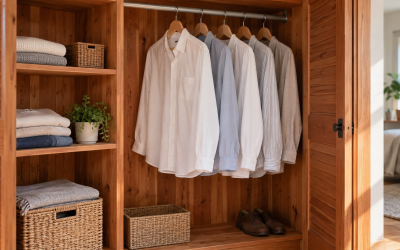
Freestanding units also excel at concealing visual clutter. While open wall-mounted systems display every hung shirt and folded sweater, standard armoires keep everything neatly tucked away behind cabinet doors. Larger, feature-rich units like the VOWNER 71″ Armoire Wardrobe Closet with Drawers and Mirror, 6 Doors ($370) act as a complete dressing station, combining internal hanging space, built-in lower drawers for folded garments, and full-length mirrors right on the doors.
Additionally, freestanding pieces require no knowledge of home structural framing. You do not need to hunt for wall studs, purchase toggle bolts, or worry about whether your drywall can handle heavy wool coats and luggage.
Cost Over 5 Years
When weighing a wall mounted closet system vs freestanding wardrobe closet over a multi-year horizon, initial purchase prices tell only part of the story. You must factor in tool requirements, installation labor, wall restoration, and long-term durability.
- Year 1 Costs: Wall-mounted systems generally run between $90 and $300 for hardware. However, you may need to spend $20 to $50 on installation tools (a stud finder, spirit level, wall anchors, and heavy-duty drill bits) or $150–$300 for professional mounting labor. Freestanding options cost between $50 for fabric/plastic units up to $400 for engineered wood armoires, requiring zero specialized tools or external labor costs.
- Years 2 to 4: Wall-mounted metal track systems suffer virtually zero structural wear because weight stress is transferred directly to the home’s wood studs. Modular shelves can be reconfigured for free. Cheaper freestanding wardrobes—particularly those made with plastic connectors or light fabric covers—may show sagging shelves, broken zip closures, or loose hinges that demand repairs or full replacement.
- Year 5 (Moving or Renovating): If you move out of a rental after five years, a wall-mounted system must be uninstalled, leaving anywhere from 6 to 20 drill holes behind that require drywall spackling, sanding, and touch-up paint ($30–$80 in materials). A freestanding wardrobe can simply be moved out or loaded onto a moving truck without leaving a trace on the walls.
Which One for Your Home
Small Apartment or Studio
In compact living quarters where square footage is tight, a wall-mounted system is superior. Suspending shelves and hanging rails keeps your floor clear, creating an illusion of open space and allowing sightlines to extend all the way to the baseboard. If floor area is too precious to give up to a 20-inch-deep cabinet footprint, go wall-mounted.
Family with Kids or Pets
For homes with young children or active pets, safety and stability are paramount. Wall-mounted closet systems are structurally fastened directly to wall studs, eliminating tipping hazards. While freestanding armoires can be anchored with anti-tip straps, heavy wood cabinet doors can still pinch small fingers, and low freestanding bases can gather pet hair and dust underneath that is hard to clean.
Rented Apartment or Short-Term Stay
If you rent your living space, a freestanding wardrobe closet is usually the most practical choice. Installing an extensive wall-mounted system usually violates lease terms regarding wall modifications. A freestanding armoire provides immediate hanging rods, drawers, and shelving without requiring spackling and painting when your lease ends.
Long-Term Home Improvement
If you own your house and are upgrading a master bedroom, primary walk-in, or dedicated dressing nook, invest in a wall-mounted system. They look significantly more integrated, add tangible value for future homebuyers, and allow you to build out custom, high-density storage that makes efficient use of every inch from floor to ceiling.
FAQ
Do wall mounted closet systems require drilling into studs?
Yes, for safe weight distribution, top suspension rails and support brackets should be anchored directly into wood studs using heavy-duty lag screws. While hollow-wall toggle bolts can support lighter, decorative shelves on drywall alone, hanging heavy loads of clothing requires securing the main structural frame to structural studs spaced 16 inches apart.
Can freestanding wardrobes tip over easily?
Taller, deeper freestanding closets—especially 71-inch armoires featuring solid doors or top-heavy shelves—can pose a tipping risk if loaded unevenly or placed on plush carpet. Most mid-to-large freestanding wardrobes include basic anti-tip wall anchor straps, which are highly recommended if you have young children or live in an earthquake-prone region.
Which option holds more clothes per square foot?
Wall-mounted closet systems hold significantly more clothing per square foot of floor footprint. Because they extend directly up to ceiling heights without bulky outer cabinet walls, side panels, or bottom legs taking up space, you can comfortably fit double-hung clothing rods and stacked overhead shelves into the exact same horizontal footprint.
How do I clean underneath freestanding wardrobes versus wall-mounted options?
Wall-mounted systems keep the floor completely open underneath, allowing robotic vacuums, brooms, and mops to clean baseboards without obstruction. Freestanding armoires rest directly on the floor or on short legs, creating tight gaps underneath that tend to trap dust bunnies and require moving heavy furniture to thoroughly clean.