Key takeaways
- Best Premium Organic Latex Mattresses for Allergy Free Sleep in 2026: Compared and Ranked
- How to Choose Lucid Mattresses: What Actually Matters
- How to Choose Latex Pillows: What Actually Matters
- How to Choose Crib Mattresses: What Actually Matters
- How to Choose Budget Memory Foam Mattresses: What Actually Matters
What's inside
- Prioritize Independent Certifications for Chemical and Allergen Safety
- Dunlop Versus Talalay: Evaluating Allergen Resistance and Airflow
- Examine Density and Firmness Ratings for Proper Spinal Alignment
- Identify Red Flags: Blended Foams and Chemical Adhesives
- Ensure Bed Frame and Foundation Compatibility for Breathability
- Weigh the Benefits of Modular and Customizable Designs
- Related Guides
- FAQ
- Related Guides
For allergy sufferers, the bedroom can inadvertently become a hotspot for dust mites, mold spores, and synthetic chemical irritants. Traditional memory foam and innerspring beds often trap moisture, dead skin cells, and volatile organic compounds (VOCs) deep within their synthetic cores, triggering chronic sneezing, congestion, and restless nights. If you are waking up congested, finding a truly hypoallergenic sleep surface is critical. Navigating the market in 2026 requires looking past clever marketing buzzwords to identify sleep solutions that naturally repel common household allergens without sacrificing support or pressure relief.
- Prioritize Independent Certifications for Chemical and Allergen Safety
- Dunlop Versus Talalay: Evaluating Allergen Resistance and Airflow
- Examine Density and Firmness Ratings for Proper Spinal Alignment
- Identify Red Flags: Blended Foams and Chemical Adhesives
- Ensure Bed Frame and Foundation Compatibility for Breathability
- Weigh the Benefits of Modular and Customizable Designs
- Related Guides
- FAQ
- Related Guides
Investing in a high-end sleep system means evaluating more than just comfort; it requires a deep dive into material sourcing, manufacturing purity, and structural breathability. Organic latex has emerged as the premier choice for sensitive sleepers because its cellular structure inherently resists dust mites and microbial growth. However, not all latex mattresses are created equal. This guide breaks down the exact specifications, red flags, and structural details that actually matter when selecting a premium organic latex mattress designed to keep your bedroom entirely allergy-free.
As an Amazon Associate we earn from qualifying purchases at no extra cost to you. Product prices and availability are accurate as of the date shown and are subject to change.

Prioritize Independent Certifications for Chemical and Allergen Safety
When shopping for organic latex, verbal claims of being natural or eco-friendly are meaningless without verifiable third-party documentation. True hypoallergenic performance starts with the raw materials and ends with the finished product. Look specifically for certifications like the Global Organic Latex Standard (GOLS), which guarantees that the foam contains at least ninety-five percent certified organic latex. Additionally, the Global Organic Textile Standard (GOTS) ensures that surrounding materials like organic cotton and wool batting are completely free from synthetic pesticides, heavy metals, and harsh chemical treatments that can aggravate sensitive respiratory systems.
Dunlop Versus Talalay: Evaluating Allergen Resistance and Airflow
Latex is manufactured using one of two primary methods: Dunlop or Talalay. The Dunlop process results in a denser, heavier foam that settles naturally, creating a resilient and supportive base. Because of its denser molecular composition, Dunlop latex is exceptionally effective at preventing dust mites from penetrating the core. The Talalay process involves a flash-freezing stage that yields a lighter, more buoyant feel with a highly uniform cell structure. While both types are naturally antimicrobial and dust-mite resistant, Dunlop is often preferred by severe allergy sufferers looking for maximum density and minimal chemical processing steps.
Examine Density and Firmness Ratings for Proper Spinal Alignment
Allergy-free sleep relies not only on material purity, but also on physical comfort and ergonomic support. Latex foam is measured by indentation load deflection, which indicates how firm or soft the layer feels. Premium mattresses typically feature a multi-layer construction combining a high-density support core with softer comfort layers. Choosing the correct firmness based on your sleeping position and body weight prevents pressure points while ensuring your spine remains neutrally aligned. Proper alignment promotes deep, uninterrupted breathing, which is essential for individuals prone to nighttime asthma or sinus blockages.
Identify Red Flags: Blended Foams and Chemical Adhesives
A frequent pitfall for consumers is purchasing a mattress marketed as latex that actually blends natural rubber sap with synthetic petroleum-based styrene-butadiene rubber. Synthetic latex blends can off-gas VOCs that irritate sensitive airways and degrade the hypoallergenic integrity of the bed. Furthermore, look closely at how the internal layers are held together. Cheaply made beds often use toxic solvent-based glues to bond foam layers. Premium organic latex manufacturers avoid chemical glues entirely, relying instead on mechanical encasing, hand-tufting, or safe water-based adhesives that will not break down and release allergens into your bedroom air.
Ensure Bed Frame and Foundation Compatibility for Breathability
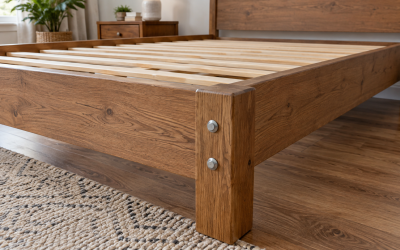
Even the highest-quality organic latex mattress can accumulate trapped moisture if placed on an unventilated solid platform or traditional box spring. Trapped humidity creates an ideal breeding ground for mold and mildew, which are two major triggers for chronic indoor allergies. To maintain a truly hypoallergenic sleep environment, pair your latex mattress with a slatted foundation or a wooden platform bed. Adequate space between slats allows continuous airflow underneath the mattress, keeping the core dry, cool, and completely inhospitable to mold spores.
Weigh the Benefits of Modular and Customizable Designs
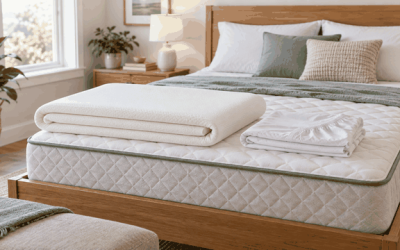
One of the greatest advantages of premium organic latex beds is their modular construction. Many high-end models feature a zippered organic cotton outer cover that allows you to access the internal latex layers directly. This design is invaluable for allergy management because it allows you to easily vacuum surface dust from internal components, inspect the foam layers over time, and even swap out firmness layers if your body weight or support needs change. Investing in a modular, zippable design ensures your sleep system adapts to your health needs for decades without requiring a full mattress replacement.
Related Guides
To compare top-performing models side-by-side and find the ideal match for your specific sleeping habits, you can explore our top-rated latex mattress picks to find the right balance of comfort, purity, and certified hypoallergenic performance.
FAQ
Are 100% organic latex mattresses completely dust-mite proof?
Yes, the dense, solid cell structure of natural organic latex leaves no microscopic gaps or empty spaces for dust mites to inhabit or breed within. Unlike traditional innerspring or loose fiberfill mattresses, organic latex naturally bars dust mites from entering the core.
Do organic latex beds emit a strong chemical odor upon unboxing?
Unlike synthetic memory foam that off-gasses harsh petrochemical VOCs for weeks, organic latex emits a mild, earthy scent from the natural rubber sap and organic wool. This faint aroma typically dissipates completely within a couple of days of unboxing and does not trigger respiratory irritation.
How often should an organic latex mattress cover be cleaned to manage allergies?
For optimal allergy control, you should vacuum the exterior surface of your mattress every few months using a HEPA filter attachment. If your mattress features a removable, washable organic cotton and wool cover, you can launder it according to the manufacturer instructions to eliminate surface dander.
Can sleeping on a latex mattress trigger a latex allergy?
True latex allergies are typically triggered by direct, prolonged skin contact with raw latex proteins, such as those found in medical-grade items. Premium organic latex mattresses are thoroughly washed during manufacturing to remove residual proteins and are further isolated behind thick layers of organic cotton and wool, making direct contact negligible.