Key takeaways
- How to Choose Lucid Mattresses: What Actually Matters
- How to Choose Crib Mattresses: What Actually Matters
- How to Choose Hybrid Mattresses under 1000 Dollars: What Actually Matters
- How to Choose Mattresses for Side Sleepers Heavy Person: What Actually Matters
- How to Choose Latex Pillows: What Actually Matters
What's inside
Shopping for a new mattress when you are working with a strict financial limit can feel overwhelming, especially with the sheer number of online brands available today. The modern mattress-in-a-box market is more saturated than ever, meaning you no longer have to sacrifice spinal alignment just to save a bit of cash. However, lower price points also mean manufacturers must cut corners in specific areas to keep production costs down.
Navigating this landscape requires understanding the fundamental differences between marketing hype and structural integrity. By focusing on core construction specifications rather than flashy brand names, you can secure a durable, supportive sleep surface that serves you well for years. This guide breaks down exactly what you need to look for, helping you avoid common buyer traps and choose wisely.
As an Amazon Associate we earn from qualifying purchases at no extra cost to you. Product prices and availability are accurate as of the date shown and are subject to change.
Understanding Foam Density and Longevity
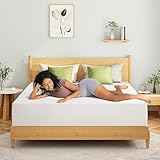
The single most important metric when evaluating a lower-cost model is foam density, measured in pounds per cubic foot. In cheaper beds, manufacturers frequently use low-density polyfoam or light memory foam that feels comfortable initially but breaks down rapidly under regular body weight. Look for a high-density base foam layer to ensure structural support. The comfort layers on top can vary, but ensuring a solid, dense foundation prevents the mattress from developing permanent body impressions within the first year of use.
Evaluating Support versus Pressure Relief
A common misconception is that a bed must be exceptionally soft to relieve pressure points like the shoulders and hips. In reality, affordable memory foam models often lack the underlying support needed to keep the spine aligned, leading to lower back pain. A properly designed budget model utilizes a multi-layer construction: a soft, contouring top layer for cushioning, followed by a firmer transition layer, and a dense polyfoam core at the bottom. This prevents you from sinking straight through to the hard foundation beneath, balancing comfortable contouring with necessary ergonomic reinforcement.
Assessing Cover Materials and Breathability
Traditional memory foam is notorious for trapping body heat, and low-cost manufacturing processes can exacerbate this issue by limiting airflow through the dense material. When reviewing specifications, pay close attention to the mattress cover and any cooling infusions advertised. Breathable polyester blends, cotton-knit covers, or open-cell foam structures help dissipate heat much more effectively than standard closed-cell foams. If you tend to sleep hot, prioritizing a breathable cover or an open-cell construction is non-negotiable for maintaining a comfortable microclimate throughout the night.
Checking Sizing and Foundation Compatibility
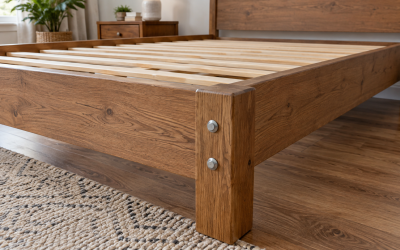
Before purchasing an affordable bed, verify that it matches your existing bedroom setup or that you have budgeted for the correct support base. All-foam constructions require a sturdy, flat foundation—such as a platform bed, slatted frame with narrow gaps, or a solid bunkie board—to prevent sagging. Putting a lightweight foam mattress on a wide-slat foundation or an old, worn-out box spring will void warranties and drastically reduce the lifespan of the materials. Always double-check dimensions and weight limits to ensure seamless integration into your current bedroom layout.
Navigating Warranties and Sleep Trials
A low price tag should not mean sacrificing consumer protections, yet many ultra-cheap brands offer minimal warranties or exclude sleep trials entirely. Reputable manufacturers typically provide at least a 10-year limited warranty and a risk-free trial period. Read the fine print regarding what constitutes a structural defect; many brands require a measurable sag before honoring a warranty claim. Protecting your investment means buying from companies that stand behind their construction quality, even at an accessible price point.
When You Should Actually Spend More
While affordable options excel for guest rooms, children’s bedrooms, and average-weight sleepers, there are specific scenarios where investing in a higher-tier mattress is necessary. Individuals with chronic back pain, higher body weights, or combination sleepers who change positions frequently may wear through a budget foam core much faster. If you require specialized zoned support, heavy-duty edge reinforcement, or advanced phase-change cooling technology, stretching your budget upward will yield better long-term ergonomic benefits and durability.
Related Guides
To explore more options tailored to different sleeping environments and price points, take a look at our Best Budget Memory Foam Mattresses in 2026: Tested and Ranked guide. If you are outfitting a guest room or multi-purpose living space, our Best Sofa Bed Mattresses in 2026: Tested and Ranked overview provides targeted recommendations. Additionally, for the youngest members of the household, you can review our Best Crib Mattresses in 2026: Tested and Ranked selection for safe, supportive sleep surfaces.
FAQ
How long should a budget memory foam mattress last?
An affordable memory foam mattress typically lasts between three to six years, depending on the density of the foam and the weight of the sleeper. Regular rotation and using a proper support foundation can help maximize this lifespan.
Do cheap memory foam beds off-gas heavily?
Most compressed foam beds emit a mild chemical odor upon unboxing, known as off-gassing, which is normal and non-toxic. Placing the mattress in a well-ventilated room for 24 to 48 hours usually allows these harmless volatile organic compounds to dissipate completely.
Can I put a budget memory foam mattress on an adjustable base?
Yes, most all-foam mattresses are flexible enough to work seamlessly with adjustable bed frames. However, you must verify that the specific model’s core density and base layer are rated for bending to prevent premature material fatigue.
How do I stop a budget mattress from sagging?
If a mattress begins to sag due to weak underlying support, adding a solid bunkie board or replacing a wide-slat frame can temporarily improve alignment. Keep in mind that once the foam core itself has broken down structurally, the only true fix is replacement.