Key takeaways
- How to Choose Lucid Mattresses: What Actually Matters
- How to Choose Crib Mattresses: What Actually Matters
- How to Choose Budget Memory Foam Mattresses: What Actually Matters
- How to Choose Hybrid Mattresses under 1000 Dollars: What Actually Matters
- How to Choose Pillows for Back Sleepers: What Actually Matters
What's inside
- Understanding Pressure Points and Spinal Alignment
- Why Profile Thickness and Coil Gauge Matter Most
- The Danger of All-Foam Beds for Higher Weight Capacities
- Avoiding Common Buyer Mistakes
- Sizing, Foundation Compatibility, and Edge Support
- When It Makes Financial Sense to Spend More
- Related Guides
- FAQ
- Related Guides
Shopping for a mattress when you carry a higher body weight and primarily sleep on your side presents a unique set of ergonomic challenges. Standard mattresses often lack the structural integrity required to support broad shoulders and hips, leading to premature sagging, intense pressure buildup, and painful spinal misalignment. When you sleep on your side, your body weight is concentrated over a much smaller surface area—primarily your shoulders and hips—compared to back or stomach sleeping.
- Understanding Pressure Points and Spinal Alignment
- Why Profile Thickness and Coil Gauge Matter Most
- The Danger of All-Foam Beds for Higher Weight Capacities
- Avoiding Common Buyer Mistakes
- Sizing, Foundation Compatibility, and Edge Support
- When It Makes Financial Sense to Spend More
- Related Guides
- FAQ
- Related Guides
For sleepers weighing over two hundred and thirty pounds, finding the right balance of contouring pressure relief and robust, deep support is essential for waking up pain-free. This decision guide breaks down the core structural elements, material considerations, and sizing factors that genuinely matter when investing in a bed engineered for heavier sleepers, helping you cut through marketing hype and make an informed choice.
As an Amazon Associate we earn from qualifying purchases at no extra cost to you. Product prices and availability are accurate as of the date shown and are subject to change.

Understanding Pressure Points and Spinal Alignment
Side sleeping places immense stress on the shoulders and hips. If a mattress is too firm, it fails to compress under these heavy zones, forcing your spine out of alignment and cutting off circulation, which causes painful pins and needles. Conversely, if a mattress is too soft, your heavy pressure points will sink right through the comfort layers and bottom out against the rigid core support layers. This creates a hammock effect where your spine bends unnaturally sideways all night long.
The ideal mattress for a heavy side sleeper must offer plush top layers thick enough to cushion the shoulders and hips, immediately followed by a transition layer and a heavy-duty support core that halts excessive sinking. Achieving this sweet spot prevents lower back strain and keeps your cervical, thoracic, and lumbar spine in a neutral, horizontal line regardless of your shifting sleeping positions.
Why Profile Thickness and Coil Gauge Matter Most
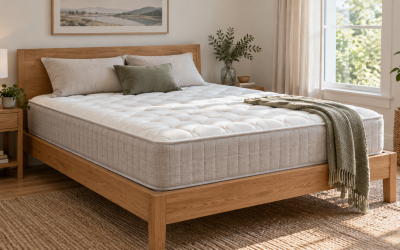
When evaluating specifications, profile thickness is one of the most reliable indicators of longevity and support for heavier individuals. Mattresses under ten inches thick rarely contain enough material to properly compress and recover under higher loads. Look for profiles ranging from twelve to fourteen inches or more, which allow adequate room for multi-layered comfort systems and thick support cores.
Equally important is the coil gauge if you are considering a hybrid mattress. Coil gauge refers to the thickness of the steel wire used in the inner springs; lower numbers indicate thicker, more durable wire. For heavier frames, pocketed coils with a lower gauge (typically between twelve point five and fourteen) provide superior pushback, reduce motion transfer, and resist the premature softening that ruins cheaper beds within a couple of years.
The Danger of All-Foam Beds for Higher Weight Capacities
Many shoppers mistakenly gravitate toward dense, all-memory-foam mattresses hoping for ultimate pressure relief. However, traditional high-density polyfoam and memory foam tend to trap heat and lack the robust foundational pushback required by higher weight capacities. Over time, heavy side sleepers will quickly compress standard foam cores, leaving permanent body impressions and eliminating necessary lumbar support.
If you prefer a contouring feel, look for hybrid constructions that pair high-density latex or gel-infused comfort foams with a heavy-duty pocketed coil base. Latex is naturally buoyant, responsive, and exceptionally durable, making it an ideal comfort material for heavier side sleepers because it contours to your shape without making you feel trapped or stuck in quicksand.
Avoiding Common Buyer Mistakes
One of the most frequent mistakes shoppers make when navigating the mattress market in 2026 is relying strictly on generic firmness ratings. A medium-firm mattress engineered for an average-weight sleeper will feel radically different to someone weighing two hundred and fifty or three hundred pounds. Always check weight capacity limits if the manufacturer provides them, and prioritize high-density foams over cheap filler materials.
Another pitfall is ignoring the importance of edge support. Heavier side sleepers often sit on the edge of the bed to put on shoes or roll toward the perimeter during the night. A weak edge leads to a sensation of rolling off the bed and drastically reduces the usable sleeping surface. Prioritize mattresses featuring reinforced perimeter coils or high-density foam encasements.
Sizing, Foundation Compatibility, and Edge Support
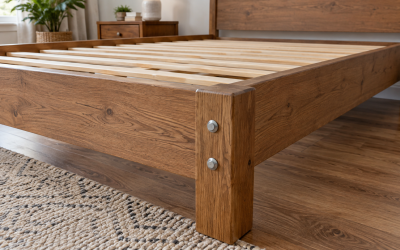
Investing in a heavy-duty mattress requires ensuring that the rest of your sleep system is equally robust. A sagging box spring or a weak slatted frame will compromise even the highest-quality mattress. Ensure your bed frame has a strong center support beam and that wooden slats are no more than three inches apart to prevent the mattress from sagging into the gaps.
When selecting a size, consider your sleeping habits and partner dynamics. Queen sizes work well for single sleepers, but individuals who toss and turn or share the bed often benefit significantly from a King or California King. The extra surface area helps distribute weight effectively and minimizes sleep disruptions caused by partner movement.
When It Makes Financial Sense to Spend More
Budget models can be tempting, but mattresses designed for heavier individuals require higher-quality, expensive raw materials to prevent rapid degradation. Spending more upfront on a specialized heavy-duty mattress typically pays off in longevity and pain prevention. If you experience chronic shoulder pain, lower back stiffness, or find yourself replacing cheap mattresses every two to three years, allocating a higher budget for a luxury hybrid or latex-hybrid model is a financially sound decision.
Premium mattresses in this category often feature hand-tufted covers, reinforced edge coils, and dense natural latex layers that maintain their supportive properties for a decade or more. View this purchase as a long-term investment in your physical health, spinal alignment, and daily productivity.
Related Guides
To explore specific brand breakdowns and performance ratings, you can check out our detailed expert roundup of top options for your specific sleep profile and body weight.
FAQ
What firmness level is best for a heavy side sleeper?
Generally, a medium-firm to firm feel works best. This prevents your shoulders and hips from bottoming out while still providing enough surface contouring to relieve pressure points.
Are memory foam mattresses okay for heavy side sleepers?
All-foam mattresses can trap heat and sag prematurely under higher weights. Hybrids that combine supportive pocketed coils with durable foam or latex comfort layers are much more durable and supportive.
How often should a heavy person replace their mattress?
Due to the increased daily stress placed on the materials, heavy sleepers often need to replace their mattress every 5 to 7 years. High-end latex and heavy-duty hybrid models may last closer to 8 or 10 years with proper care.
Do heavy side sleepers need a special bed frame?
Yes, heavy sleepers require a heavy-duty foundation or bed frame with a strong center support leg. Slatted frames should have slats spaced no more than three inches apart to prevent structural sagging.