Key takeaways
- Berry: 2 cups mixed berries for 3–5 days; strain thoroughly and serve chilled.
- Citrus: Peel from 2 lemons or oranges for 24–72 hours; remove the peel when the aroma is vivid.
- Herbal: ½ cup basil or mint for 6–18 hours; strain early to preserve a fresh flavor.
- Spiced: 1 cinnamon stick with 3–4 cloves for 1–3 days; taste frequently.
- Coffee: ⅓ cup whole beans for 18–24 hours; paper-filter before bottling.
To learn how to make infused vodka at home, combine 750 ml of 80-proof vodka with measured fruit, herbs, spices, or coffee, steep it in a clean sealed jar, taste it on schedule, then strain and store it in a tightly closed bottle away from heat and light.
Start with the right ratio
Use a neutral vodka so the flavoring ingredient remains the focus. An ordinary 80-proof vodka is suitable; expensive vodka is not necessary for most infusions because fruit, herbs, spices, and coffee contribute the dominant flavors.
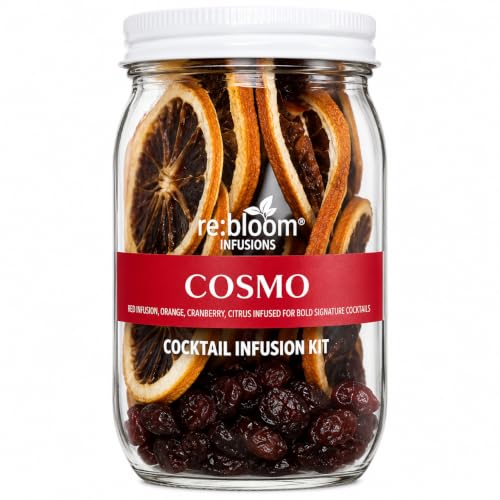
RE:BLOOM Cosmo Cocktail Infusion Kit, DIY Vodka Infuser Gift Set, Cranberry, Orange, Lemon & Citrus Sugar, Makes 6-8 Cocktails or Mocktails, Small Batch Crafted
Included for 'How to Make Infused Vodka at Home' because the listing specifies DIY Vodka Infuser Gift Set and Cranberry, details this guide uses to compare options.
View on Amazon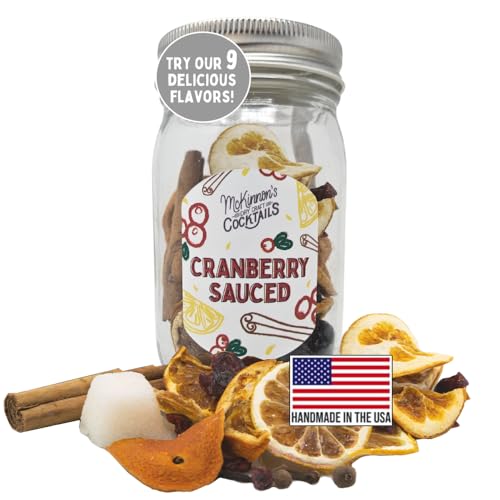
McKinnon’s Dry Craft Cocktails Dehydrated Fruits and Herbs, DIY Mixology, Infusion Kit, Mason Jar Serves 8 – 16 Drinks (Cranberry Sauced, 1 Jar)
Included for 'How to Make Infused Vodka at Home' because the listing specifies DIY Mixology and Infusion Kit, details this guide uses to compare options.
View on Amazon
Home Distilling Recipes & Cookbook: Over 140+ Unique Distilled and Infused Spirits Whiskey, Vodka, Gin, Tequila, Rye, Bourbon, Rum, Scotch & Moonshine
Included for 'How to Make Infused Vodka at Home' because the listing specifies Vodka and Gin, details this guide uses to compare options.
View on Amazon| Ingredient | Amount per 750 ml vodka | Typical steeping time | Best method |
|---|---|---|---|
| Fresh berries | 2–3 cups, lightly crushed | 3–7 days | Strain through a fine-mesh sieve and coffee filter |
| Fresh citrus peel | Peel from 2–3 fruits, no white pith | 1–3 days | Remove peel promptly; filter if cloudy |
| Fresh herbs | ½–1 cup loosely packed | 4–24 hours | Strain as soon as the flavor is bright |
| Dried spices | 1–2 teaspoons total | 1–5 days | Use a tea infuser or strain through cheesecloth |
| Whole coffee beans | ¼–½ cup | 12–36 hours | Strain through a paper coffee filter |
| Vanilla bean | 1 split bean | 1–4 weeks | Strain only if desired; the bean may remain for a stronger flavor |
These amounts are starting points rather than rigid formulas. Delicate ingredients are easier to add than to remove, so begin with less when using powerful flavors such as cloves, cinnamon, star anise, rosemary, chili, or coffee.
How to make infused vodka at home
1. Choose and prepare the ingredients
Use ripe, sound fruit and discard anything bruised, moldy, or damaged. Wash fresh produce under running water and dry it thoroughly. Cut larger fruit into pieces so the vodka can reach more surface area. Remove citrus pith because it can make an infusion bitter.
For herbs, use clean leaves and tender stems only. Lightly bruise them with the back of a spoon rather than shredding them. Use whole spices when possible; ground spices are harder to remove and can leave sediment. For coffee, choose whole beans instead of ground coffee to make straining easier and reduce over-extraction.
2. Sanitize the container
Use a clean, food-safe glass jar with a tight-fitting lid. Wash it with hot, soapy water, rinse well, and allow it to dry completely. A 1-quart jar generally provides enough room for 750 ml of vodka plus fruit or other ingredients. Do not use a container that previously held chemicals, non-food substances, or strongly scented materials.
3. Add vodka and label the jar
Place the ingredients in the jar, pour in the vodka, and leave approximately 1 inch of headspace. Seal the jar and label it with the ingredients and start date. Keep the contents fully submerged; exposed fruit or herbs can discolor and spoil more quickly.
4. Steep in a cool, dark place
Store the sealed jar in a cupboard at room temperature, away from direct sunlight, a stove, a radiator, and other heat sources. Gently swirl it once a day. Begin tasting after the minimum time in the table, using a clean spoon each time. Stop the infusion when the flavor is distinct but not harsh, bitter, or medicinal.
Fruit usually needs several days because its flavor develops gradually. Herbs can become grassy or bitter in less than a day. Spices and coffee often continue extracting after their aroma seems strong, so remove them early if the vodka tastes hot, woody, or overly bitter.
Straining without cloudy sediment
For a basic strain, pour the infusion through a fine-mesh sieve into a clean bowl or measuring jug. Pressing fruit can extract more liquid, but it may also push pulp and pectin into the vodka. For a clearer result, let the liquid settle for a few hours, then pour it slowly through a paper coffee filter. Replace the filter when it becomes clogged.
Use cheesecloth for herbs and large pieces of fruit, but do not rely on it alone for fine spice particles or coffee sediment. A funnel makes it easier to transfer the strained vodka into a bottle without spills. If the infusion is still hazy, refrigerate it overnight and filter again; chilling can help some suspended oils or particles settle.
Do not add water, fresh juice, or sugar until after straining unless the recipe specifically calls for it. Dilution and added sugar reduce the alcohol concentration and can shorten storage life. If you sweeten the vodka, use a cooled simple syrup and keep the finished drink refrigerated.
Bottle and storage options
For a small batch, a clean 750 ml glass bottle with a screw cap is practical. A swing-top bottle works well for short-term storage if its gasket is clean and intact. Clear glass is acceptable when the bottle will stay inside a dark cabinet; amber or other dark glass offers additional protection from light.
| Storage situation | Recommended bottle | Useful capacity | Storage guidance |
|---|---|---|---|
| One standard batch | Glass bottle with tight screw cap | 750 ml–1 liter | Cool, dark cabinet |
| Frequent cocktail use | Smaller capped bottles | 250–375 ml each | Fill nearly to the shoulder to reduce air space |
| Sweetened or juice-based infusion | Refrigerator-safe glass bottle | 250 ml–750 ml | Refrigerate and use promptly |
| Bar cabinet storage | Dark glass or opaque bottle | 750 ml–1 liter | Keep away from cabinet lighting and heat |
If you are choosing furniture for bottle storage, allow at least 3 inches of vertical clearance above the bottle and about 2 inches on each side so it can be removed without knocking neighboring glassware. A 12-inch-deep cabinet shelf accommodates most standard bottles, although unusually tall or wide bottles should be measured first. Heavy glass bottles can weigh 3–4 pounds when full, so avoid overloading a floating shelf or an unanchored narrow cabinet.
Match the setup to your home
| Your situation | Practical choice | Why it works |
|---|---|---|
| Small apartment | One 1-quart jar and a 250–375 ml finished bottle | Uses little counter space and limits clutter |
| Children or pets | Lockable or high bar cabinet with sealed bottles | Alcohol and small spices remain out of reach |
| Renter | Freestanding cabinet rather than wall shelving | Avoids drilling and can move with you |
| Frequent entertaining | Deep, stable cabinet with adjustable shelves | Holds bottles, strainers, glasses, and mixing tools together |
For furniture, solid wood is durable but heavier and can expand or contract with humidity. Engineered wood is often lighter and more economical, though damaged edges are harder to repair. Metal cabinets are sturdy and easy to wipe clean, but they may transfer heat if placed beside an oven or sunny window. Whatever the material, secure a tall cabinet to the wall when children or pets are present.
Safety and shelf life
Vodka does not make unsafe ingredients safe. Discard any fruit, herb, or spice showing mold, unusual slime, or an unpleasant rotten odor. Never use ingredients that were stored in oil or exposed to contamination. Keep the finished infusion sealed, use clean pouring equipment, and avoid returning poured vodka to the bottle.
Plain fruit, herb, spice, or coffee infusions made only with vodka generally keep best in a cool, dark place and are often at their best within several months. Refrigerate sweetened or juice-containing versions and use them sooner. If the aroma, color, or taste changes noticeably, discard the batch rather than trying to rescue it.
Reliable flavor combinations
- Berry: 2 cups mixed berries for 3–5 days; strain thoroughly and serve chilled.
- Citrus: Peel from 2 lemons or oranges for 24–72 hours; remove the peel when the aroma is vivid.
- Herbal: ½ cup basil or mint for 6–18 hours; strain early to preserve a fresh flavor.
- Spiced: 1 cinnamon stick with 3–4 cloves for 1–3 days; taste frequently.
- Coffee: ⅓ cup whole beans for 18–24 hours; paper-filter before bottling.
The most controllable approach is to make small batches, record the ratio and steeping time, and adjust one variable at a time. That produces a repeatable infused vodka without wasting a full bottle on an overpowering ingredient.