
Key takeaways
- The best kettlebell training routine is one you can perform with an understood technique and organize without rushed changes. Start with a controlled...
What's inside
The best kettlebell training routine is one you can perform with an understood technique and organize without rushed changes. Start with a controlled movement you have learned, then use a suitable program to decide workload and progression. A larger collection of bells does not automatically make the session better.
This guide provides practical selection and use considerations. It does not report hands-on product testing.
At home, preparation also includes getting the right bell out, checking it and having somewhere suitable to return it. Those practical steps are part of a workable routine. They should support exercise instruction rather than replace it with a shopping list.
Practise a clear lifting pattern
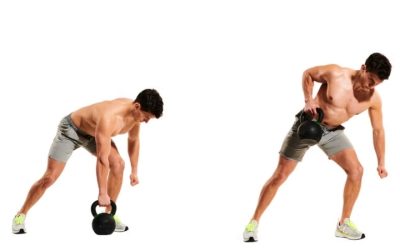
One introductory exercise in ACE’s kettlebell guidance is the deadlift. The setup uses a hip bend and slight knee bend to reach the bell while maintaining a straight back; standing follows through hip extension. Obtain instruction for the whole movement, including returning the bell, before increasing the load.
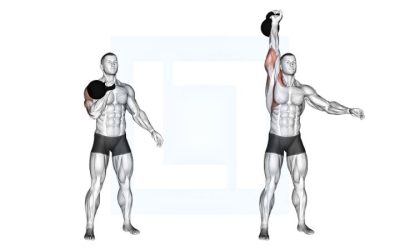
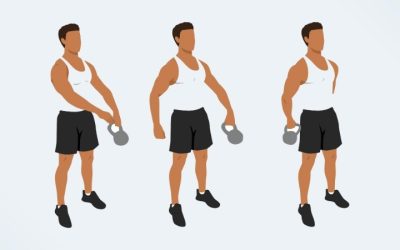
Use a manageable weight and make the start and finish as deliberate as the lift. If a repetition requires an improvised movement, pause to resolve the issue. Keep unfamiliar swings, catches or overhead variations separate from the basic practice until they have been taught appropriately.
Write the session in plain terms
Note the exercises you intend to use, the selected bell for each and the repetition and rest structure from your program. This reveals whether you actually need several weights or whether one suitable bell serves the current session. Different movements may require different loads; the heaviest available option is not a default.
Keep the plan short enough to follow. Leave room to reset rather than moving immediately into another exercise because equipment is nearby. A session should have a reason for each movement, not a requirement to use every item you own.
Make progression observable
Record the load and whether you maintained the taught movement throughout the planned work. Note handling difficulties separately from exercise difficulty. Trouble retrieving a bell from behind furniture is a layout problem, while an uncontrolled repetition needs a different assessment.
Use the record with appropriate instruction when deciding what changes next. Do not respond automatically by buying the next weight. New load, a different exercise or a changed workload should fit the program. Stop for pain and seek individual advice rather than trying to work around it through an unplanned variation.
Prepare the equipment before the set
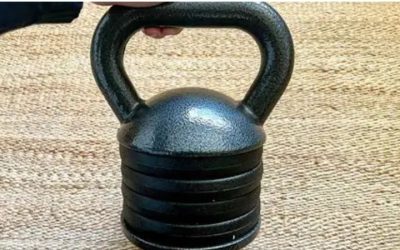
Inspect the bell as its instructions require, including the handle and any adjustable components. Complete selection and locking checks before taking the exercise position. Keep removable parts contained so they do not spread into the room during a change.
Place the planned bell where it can be reached without stepping around another weight. Decide where it returns between exercises and at the end. This is especially useful when several household members use the same equipment and may prefer different settings.
Product listings to compare
As an Amazon Associate we earn from qualifying purchases at no extra cost to you. Product prices and availability are accurate as of the date shown and are subject to change. Compare the selected variant and its current description with the requirements above.
As an Amazon Associate we earn from qualifying purchases at no extra cost to you. Product prices and availability are accurate as of the date shown and are subject to change.


Keep storage close without crowding movement
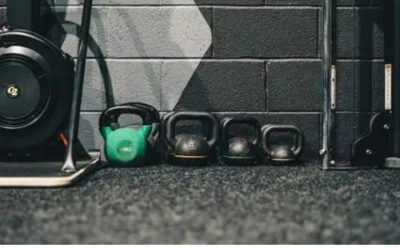
A storage position should be outside the active area but near enough to retrieve the bell conveniently. Check the weight support and material compatibility of the location. Ordinary shelves, drawers and upholstered furniture are not suitable simply because the bell fits on them.
Plan the intended movement’s full path and keep doors, low tables and loose objects clear. A small bell can need substantial working space depending on the exercise. Use the activity’s requirements rather than assuming the equipment’s storage dimensions describe the room needed.
Finish with a repeatable reset
Return each bell to its designated place, organize adjustable parts and clean surfaces as directed. Record questions while they are fresh. Keeping the area ready makes the next session easier to begin without confusing a missing component or changed setting with an exercise problem.
If another person shares the room, agree on when the area is occupied and where equipment remains afterward. A clear household arrangement can be more useful than a larger rack. Buy additional bells when they serve an identified need and have a suitable home.
What makes this a training plan rather than equipment ownership?
The exercises are understood, the workload has a purpose and changes can be explained. Start there. Equipment should make that plan possible; it should not dictate unfamiliar movements or turn every session into an attempt to justify the latest purchase.

Additional product links
- Start 30-Day Prime Free Trial →
- See Today’s Amazon Deals
- ▸ Try Amazon Prime — free 30-day trial
- ▸ Start an Audible Premium Plus free trial
- ▸ Read free with Kindle Unlimited
Related reading
- Best kettlebell training
- Chris Parker
- Best Kettlebell Weight for Men: How to Pick the Right Size
- Best Kettlebell Ab Exercises: 6 Adjustable and Fixed Picks
- Best Kettlebell Core Exercises: 6 Picks for Floor Space
- Best Kettlebell Exercise for Abs: 5 Bells for Long Holds
- Best Kettlebell Ab Workout: 6 Bells Sized for Circuit Work
- Hot yoga mat best
- Best dumbbells exercises
- Best workout dumbbells
- Best back exercises using dumbbells
- Best exercise upright bike
- Best exercise stationary bike
- Best Workout Kettlebell: 6 Bells Matched to Your Training
- Best Resistance Training Bands: Build a Set That Progresses

Write Your Review
No reviews yet. Be the first to share your experience!