
Key takeaways
- After suitable instruction has helped establish the loads you need, choosing a kettlebell becomes a practical comparison between fixed and adjustable...
What's inside
- Bring a movement-specific requirement to the comparison
- When one fixed bell meets the current plan
- Product listings to compare
- When different tasks need different fixed bells
- When an adjustable option deserves consideration
- Compare missing requirements honestly
- Price the usable arrangement
- Make the choice reversible in your notes
- Additional product links
- Related reading
After suitable instruction has helped establish the loads you need, choosing a kettlebell becomes a practical comparison between fixed and adjustable equipment. Start with the actual movement requirements. One fixed bell, several fixed bells and an adjustable product provide different arrangements, even when their advertised maximum weights look similar.
This guide provides practical selection and use considerations. It does not report hands-on product testing.
There is no universal best kettlebell weight for every exercise or user. The purchase should reflect an individual assessment rather than replace it. A broad equipment range can be useful, but only when its real settings and permitted uses cover the tasks you intend.
Bring a movement-specific requirement to the comparison
Record the exercise and appropriate load identified through instruction, with the weight unit clearly shown. Keep separate entries for different movements. Do not assume that an amount suitable for a carry is automatically suitable in a front-held or overhead position.
If those requirements are not yet clear, postpone the equipment-format decision. Choosing an adjustable product does not remove the need to learn technique, and choosing a fixed bell does not make its weight appropriate by default.
When one fixed bell meets the current plan
A single fixed option can be a straightforward purchase when it matches the actual task. Confirm the selected size and examine the handle and shape for the intended hold. Keep the plan limited to what is appropriate instead of adding movements merely to make that one purchase seem versatile.
Consider later additions as separate decisions. You do not need to guess every future requirement before beginning a current, suitable routine. Another weight can be considered when a specific need has been established rather than on an assumed progression timetable.
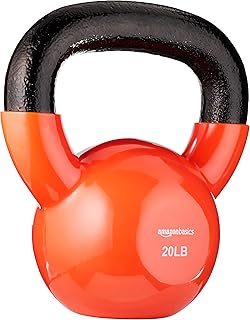
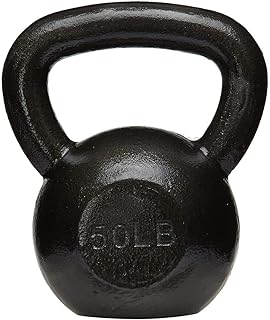
Product listings to compare
As an Amazon Associate we earn from qualifying purchases at no extra cost to you. Product prices and availability are accurate as of the date shown and are subject to change. Compare the selected variant and its current description with the requirements above.
As an Amazon Associate we earn from qualifying purchases at no extra cost to you. Product prices and availability are accurate as of the date shown and are subject to change.





When different tasks need different fixed bells
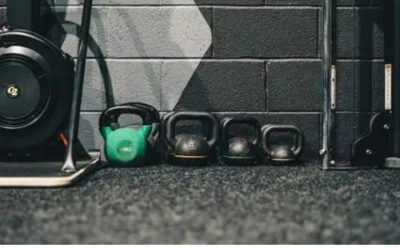
If the assessed requirements differ, compare the complete selection needed now. Two suitable fixed options may answer the plan without relying on a change mechanism. That is an arrangement to evaluate, not a claim that multiple fixed bells are always superior.
Count the actual storage supports and handling involved. Several objects need appropriate places, but the comparison should use the real room rather than assume any collection is too large. Keep bells identifiable by their marked weights and units.
When an adjustable option deserves consideration
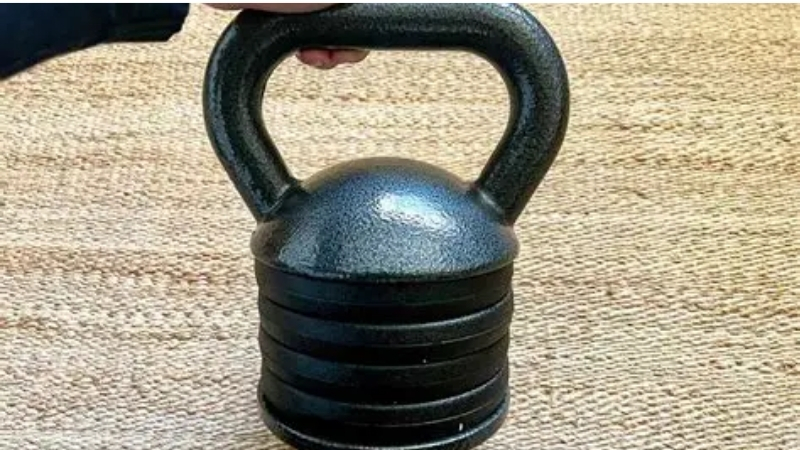
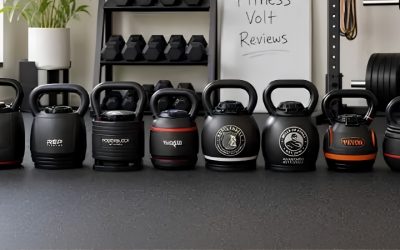
Read the list of available settings and check each required load against it. A minimum and maximum alone do not show the intermediate choices. Confirm that the manufacturer permits the intended exercises and that the handle arrangement suits the planned holds.
Understand the complete setting procedure, including the required resting position and how the selected load is secured. Decide whether changes happen mainly between sessions or within the routine. The convenience question concerns that actual process, not an unexplained quick-adjustment claim.
Compare missing requirements honestly
If an adjustable option lacks a useful setting, do not quietly substitute another load into the exercise plan. Likewise, do not select a heavier fixed bell simply because the preferred size is unavailable. Take the difference back to appropriate guidance before treating the candidate as equivalent.
A manufacturer may offer additional components, but compatibility and availability need verification for the exact model. Do not assume an expansion from an older discussion applies to the product now being sold.
Price the usable arrangement
Compare the actual fixed selection with the adjustable configuration that meets the requirements. Include necessary accessories, delivery and appropriate storage. Keep optional display stands or bundles separate so they do not obscure the equipment comparison.
Read return and support terms for each offer. A warranty headline does not establish service life, and a material description does not predict a universal replacement date. Use documented responsibilities instead of invented cost-per-year calculations.
Make the choice reversible in your notes
Write why the selected format fits the current plan and what would prompt reconsideration. A new movement requirement, a shared-use arrangement or an unsuitable change process is a specific reason. The mere appearance of a larger set is not.
Keep the product instructions with the movement requirements, while recognizing their different roles. Coaching determines the appropriate task and loading; the manufacturer explains the equipment’s configuration and handling. The best kettlebell purchase connects those two sources of information without asking either one to answer every question.
Additional product links
- Start 30-Day Prime Free Trial →
- See Today’s Amazon Deals
- ▸ Try Amazon Prime — free 30-day trial
- ▸ Start an Audible Premium Plus free trial
- ▸ Read free with Kindle Unlimited
Related reading
- Best kettlebell weight
- Chris Parker
- Best Kettlebell Weight for Men: How to Pick the Right Size
- Best Kettlebell Ab Exercises: 6 Adjustable and Fixed Picks
- Best Kettlebell Core Exercises: 6 Picks for Floor Space
- Best Kettlebell Exercise for Abs: 5 Bells for Long Holds
- Best Kettlebell Ab Workout: 6 Bells Sized for Circuit Work
- Best beginner jump rope
- Best boxing jump rope
- Best boxer jump rope
- Best cheapest yoga mat
- Best workout exercise equipment
- Best Yoga Travel Mat: 6 Picks by Weight and Packed Size
- Best Exercise Bike for Fat Loss: 5 Picks by Flywheel Weight
- Best Workout Equipment to Lose Weight: 6 Low-Impact Picks
Write Your Review
No reviews yet. Be the first to share your experience!