
Key takeaways
- The best exercises with a kettlebell are movements you can understand and control before adding complexity. A two-handed deadlift and a goblet squat...
What's inside
The best exercises with a kettlebell are movements you can understand and control before adding complexity. A two-handed deadlift and a goblet squat provide concrete skills to practise with appropriate instruction. A swing is a separate movement to learn, not an automatic next step simply because the bell is available or a product title advertises a full-body workout.
This guide provides practical selection and use considerations. It does not report hands-on product testing.
Learn the two-handed deadlift setup
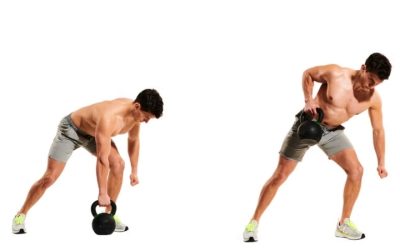
Place the kettlebell between your feet. With a suitable stance, bend at the hips and slightly at the knees to grasp the handle with both hands. Keep the chest lifted and the back in a neutral position. Stand by extending the hips and knees, keeping the bell controlled, then reverse the movement to return it deliberately.
Practise the hinge without load first if it is unfamiliar. Do not turn the lift into a hurried pull with the arms or let the bell drag your posture forward. This outline follows the basic movement described in ACE’s kettlebell introduction; appropriate coaching can clarify the setup for the individual.
Practise a goblet squat separately
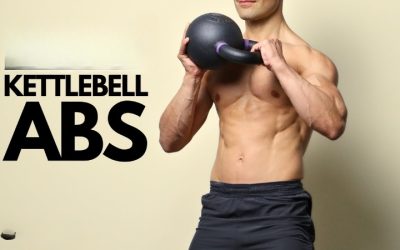
Hold the kettlebell with both hands near the chest. From a suitable stance, bend the hips and knees to lower into a controlled squat while keeping the torso organized and the bell close. Return to standing deliberately. Use a range you can manage without forcing the position or allowing the load to pull you forward.
The front-held squat is a different task from lifting the bell from the floor. Do not combine them into a fast sequence until each action is understood. ACE includes both movements in its introductory kettlebell guidance; neither needs to become a maximal-load test to be a useful practice choice.
Choose the first practice task deliberately
Start with the movement that is appropriate for your ability and instruction. You do not have to include every exercise in a session because an article names it. Identify the part you are learning, such as establishing the start position or returning the bell under control, and keep attention on that task.
If you cannot maintain the intended movement, pause rather than counting repetitions completed through a different action. Pain or concerning symptoms require stopping and appropriate advice. This is general exercise information, not a rehabilitation plan or a personal prescription for weight, repetitions or frequency.
Product listings to compare
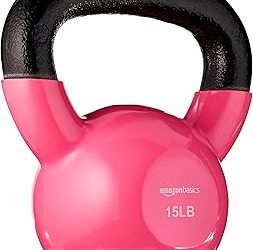
As an Amazon Associate we earn from qualifying purchases at no extra cost to you. Product prices and availability are accurate as of the date shown and are subject to change. Compare the selected variant and its current description with the requirements above.
As an Amazon Associate we earn from qualifying purchases at no extra cost to you. Product prices and availability are accurate as of the date shown and are subject to change.


Treat swings as another lesson
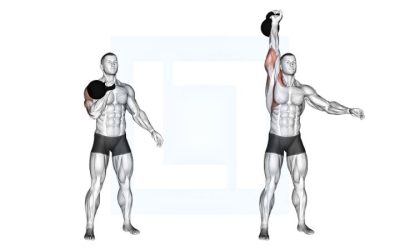
Do not infer swing technique from being able to lift the bell or from seeing a short product demonstration. Ask a qualified instructor to teach the movement when it is appropriate for you. The space, timing and handling questions deserve their own attention before swinging a loaded object at home.
The same principle applies to other unfamiliar kettlebell movements. An advanced exercise is not required to justify buying equipment, and adding complexity is not proof that the session is better. Keep the exercise selection tied to an understood plan instead of a list of features printed on packaging.
Prepare a clear handling area
Choose a location suitable for the intended activity and equipment, with enough unobstructed space for the movement and return. Keep household traffic and loose objects outside the area. Do not use a sofa, decorative shelf or other unverified surface as a place to catch or support the bell.
Plan where the kettlebell begins and rests between attempts. Follow its inspection and care guidance, and check the handle and any adjustable mechanism as instructed. Equipment that is damaged or whose configuration is unclear should be addressed before use, not worked around during a session.
Keep equipment choices specific
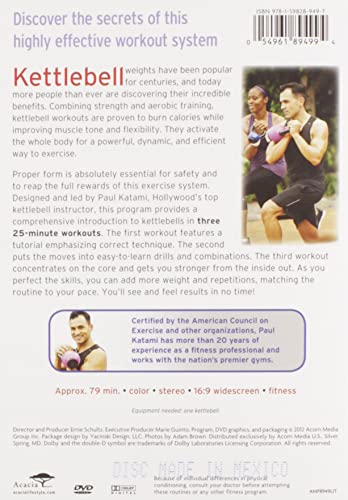
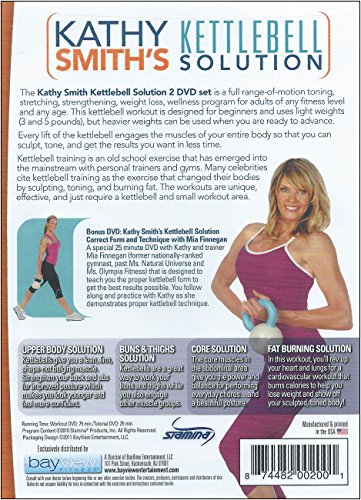
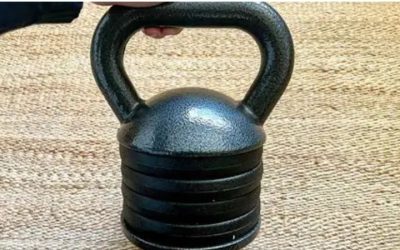
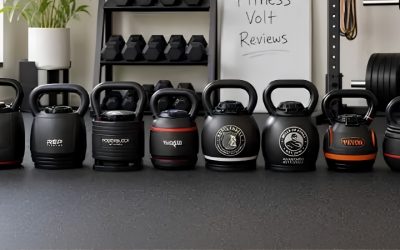
Read the actual weight and selected version before ordering. A package illustration may show several bells while the offer contains one. Adjustable and fixed products have different setup requirements, so compare the complete model rather than assuming every handle and locking arrangement is equivalent.
An instructional resource can help explain a movement, but it is not the same purchase as a kettlebell. Match equipment to the appropriate exercise and seek guidance for unclear technique. Record what you practised and the questions that remain; that is more useful than expecting one bell or an elaborate routine to guarantee strength, weight loss or a particular physique.
Additional product links
- Start 30-Day Prime Free Trial →
- See Today’s Amazon Deals
- ▸ Try Amazon Prime — free 30-day trial
- ▸ Start an Audible Premium Plus free trial
- ▸ Read free with Kindle Unlimited
Related reading
- Best Kettlebell Weight for Men: How to Pick the Right Size
- Best Kettlebell Ab Exercises: 6 Adjustable and Fixed Picks
- Best Kettlebell Core Exercises: 6 Picks for Floor Space
- Best Kettlebell Exercise for Abs: 5 Bells for Long Holds
- Best Kettlebell Ab Workout: 6 Bells Sized for Circuit Work
- Best Lat Exercises Dumbbells: 6 Picks for Heavy Row Work
- Best Forearm Exercises Dumbbells: 6 Grip-Friendly Picks
Write Your Review
No reviews yet. Be the first to share your experience!