
Key takeaways
- The best adjustable kettlebell is one whose settings and change procedure suit the movements you have learned. Compare how the product is adjusted,...
What's inside
- List the settings you need first
- Read one complete adjustment cycle
- Choose around your transition pattern
- Product listings to compare
- Check permitted movement and shape
- Keep components together without hiding them
- Ask about faults before buying
- Choose a procedure you can repeat
- Additional product links
- Related reading
The best adjustable kettlebell is one whose settings and change procedure suit the movements you have learned. Compare how the product is adjusted, confirmed and returned to use, not just how quickly a demonstration turns a dial. The complete procedure matters because one compact body may depend on a base, tool or loose components that also need a practical place.
This guide provides practical selection and use considerations. It does not report hands-on product testing.
List the settings you need first
Identify appropriate loads for the intended exercises through suitable instruction. Keep those requirements separate: one setting does not automatically suit every movement. Then compare the actual available settings in each model. A wide advertised range is not enough when the useful step is absent.
Check the units and whether a product’s stated maximum includes all required parts. Do not assume an expansion is included or available later. If a required setting is missing, consider another documented option rather than rounding upward. Equipment selection should follow the exercise decision instead of making it.
Read one complete adjustment cycle
Find the manufacturer’s instructions for putting the bell down, changing its setting and confirming readiness. Identify any required base, tool, pin or retaining component. Follow the exact model’s sequence rather than applying a familiar method from another adjustable product.
Consider where the user and equipment are during each step. A compact bell may still need space to access a mechanism or store removed parts. Do not compare only the outline of the lifted body. The useful footprint includes the complete process that takes place between exercises.
Choose around your transition pattern
Describe an ordinary practice: several tasks at one setting, or deliberate changes between separate blocks. Compare the adjustment procedure with that pattern. A tool-based process may be acceptable when changes are infrequent, while another arrangement may better suit different requirements. Neither format is automatically the universal winner.
Allow the time needed to adjust and check the equipment correctly. A workout video should not make you skip a securing step. If the plan repeatedly conflicts with the procedure, discuss a suitable routine change or consider a different equipment format. Faster handling is useful only when the complete instructions are followed.
Product listings to compare
As an Amazon Associate we earn from qualifying purchases at no extra cost to you. Product prices and availability are accurate as of the date shown and are subject to change. Compare the selected variant and its current description with the requirements above.
As an Amazon Associate we earn from qualifying purchases at no extra cost to you. Product prices and availability are accurate as of the date shown and are subject to change.


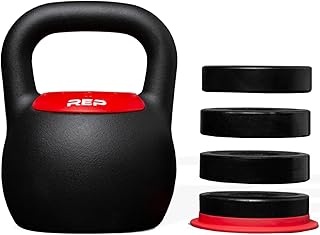
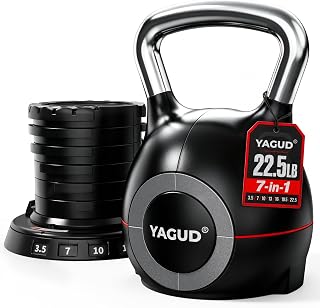


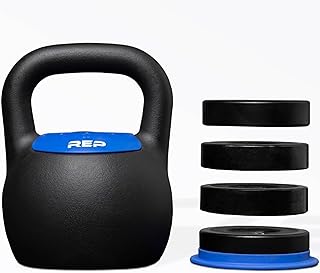

Check permitted movement and shape
Read which uses the exact model allows. A product appropriate for one instructed task should not automatically be used overhead or in another configuration. Keep the exercise demonstration and equipment permission as separate checks. An attractive handle shape does not establish a suitable load or movement for an individual.
Look for dimensions relevant to the intended hold at the setting you expect to use. Where an appropriate assessment is possible, consider personal fit without treating a short trial as a durability test. If the shape makes a learned movement unclear, seek instruction rather than altering the movement to justify the purchase.
Keep components together without hiding them
Choose a storage arrangement that supports the actual load and permits inspection. A base should sit where the instructions require, not on a decorative shelf chosen only for appearance. Keep tools and loose pieces identified so they cannot be confused with parts from another system.
Read care and inspection guidance before deciding where the bell will remain. Do not store it in conditions its maker prohibits. If another person shares the equipment, ensure the setting procedure and relevant instructions are available to them. A remembered number should not replace normal confirmation before use.
Ask about faults before buying
Find out how an incomplete or faulty adjustment is handled and which support channel supplies replacement parts. Do not infer a repair method from an online video about a different model. An uncertain retaining component is a reason to stop using the equipment and obtain the appropriate response.
Read return and warranty terms for the selected offer. Keep the product identifier and receipt together. Compare the cost of the complete system with fixed bells that cover the same actual requirements, including suitable storage. A smaller equipment count is one benefit to weigh, not proof of better value in every household.
Choose a procedure you can repeat
A useful adjustable kettlebell delivers the needed settings through an understood, appropriate change process. Buy for that complete cycle and the permitted tasks, with storage and support already considered. The result should simplify a known routine rather than introduce an unfamiliar mechanism whose requirements only become clear after it arrives.
Additional product links
- Start 30-Day Prime Free Trial →
- See Today’s Amazon Deals
- ▸ Try Amazon Prime — free 30-day trial
- ▸ Start an Audible Premium Plus free trial
- ▸ Read free with Kindle Unlimited
Related reading
- Best adjustable kettlebell
- Chris Parker
- Best Kettlebell Weight for Men: How to Pick the Right Size
- Best Kettlebell Ab Exercises: 6 Adjustable and Fixed Picks
- Best Kettlebell Core Exercises: 6 Picks for Floor Space
- Best Kettlebell Exercise for Abs: 5 Bells for Long Holds
- Best Kettlebell Ab Workout: 6 Bells Sized for Circuit Work
- Best gym bench for home
- Best weight benches home gym
- Best at home full body workout equipment
- Best resistance bands workout
- Best resistance bands leggings
- Best Rated Yoga Mat: 6 Top Picks for Grip and Durability
- Best Workout Equipment for Glutes: 5 Picks That Load Hips
- Best Rated Ankle Weights: 6 Sets Compared by Load Range
Write Your Review
No reviews yet. Be the first to share your experience!