
Key takeaways
- Choosing a workout kettlebell is easiest when you know what the new purchase must add. Are you replacing an unsuitable handle, obtaining a load...
What's inside
- Product listings to compare
- Describe the problem with the current setup
- Compare the handle before the finish
- Evaluate adjustment as a repeated task
- Keep accessories in their own category
- Place the equipment where handling is practical
- Check the room’s materials and access
- Compare the purchase as a whole
- Additional product links
- Related reading
Choosing a workout kettlebell is easiest when you know what the new purchase must add. Are you replacing an unsuitable handle, obtaining a load required by your program or reducing the number of separate items stored at home? Each reason leads to a different comparison.
This guide provides practical selection and use considerations. It does not report hands-on product testing.
The best option is not automatically a larger set. Review what you already use, then choose equipment that fills a specific gap and can be kept appropriately alongside existing furnishings.
Product listings to compare
As an Amazon Associate we earn from qualifying purchases at no extra cost to you. Product prices and availability are accurate as of the date shown and are subject to change. Compare the selected variant and its current description with the requirements above.
As an Amazon Associate we earn from qualifying purchases at no extra cost to you. Product prices and availability are accurate as of the date shown and are subject to change.


Describe the problem with the current setup
If you already own a bell, note what needs to change. Separate handling preferences from storage difficulties and from the need for a different load. Buying another version without identifying the problem can reproduce the same inconvenience.
If this is a first purchase, start with the activities you have learned and the equipment they require. Seek suitable instruction for unfamiliar movements rather than choosing a load from a promotional description of the intended audience.
Compare the handle before the finish
Look for the handle’s documented dimensions and the space beneath it. Consider the grip used in your intended activity. A wide-looking photograph is not a reliable substitute for measurements or an appropriate in-person assessment.
Also inspect the bell’s body shape and how it will be handled. Do not infer comfort from color, texture or a soft-looking coating. When information is unclear, ask about the exact product rather than borrowing details from another model.
Evaluate adjustment as a repeated task
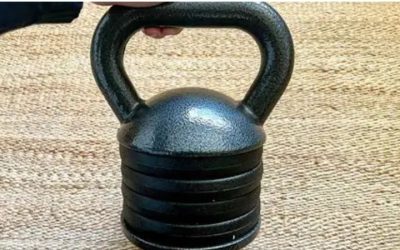
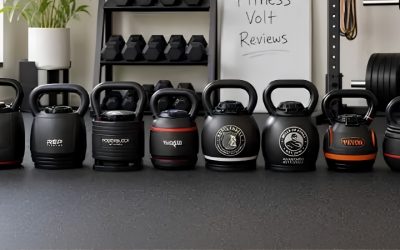
If considering an adjustable kettlebell, read the process for changing and securing the load. Check the available settings against the program, including increments. The system needs to support the settings you will use, not merely advertise a high maximum.
Account for any base or loose components during changes. A product can reduce the number of separate bells while still requiring a suitable adjustment area. Decide where that task will happen before assigning the equipment to a cupboard.
Keep accessories in their own category
A conversion handle that uses an existing weight is different from a complete kettlebell. Check compatibility, restrictions and the equipment it requires. Its lower price should not be compared with a complete product while ignoring the rest of the arrangement.
A stand or storage piece is another separate decision. Buy it only when it supplies a suitable support or organization function. An accessory should solve a defined problem rather than make the package appear more comprehensive.
Place the equipment where handling is practical
Choose a resting position that does not require reaching behind furniture or moving other heavy objects first. Keep door, drawer and chair paths clear. Ordinary furniture should not be assumed suitable for weights without checking its intended load and construction.
Consider the temporary position used during a session as well as final storage. Avoid placing the bell on upholstery or balancing it on a convenient side table while the room is rearranged. A consistent sequence reduces unnecessary handling.
Check the room’s materials and access
Read equipment and floor-care guidance before choosing protection. A coating does not remove the need to assess material contact, and a mat does not change the manufacturer’s permitted use. Keep the relevant requirements distinct from decorative preferences.
Leave enough access to clean and inspect the equipment. Store instructions and model information where they can be found. If a component is damaged or an adjustment no longer works as described, use the appropriate support route rather than forcing it into place.
Compare the purchase as a whole
Keep a written note of the selected load and version, especially when one listing presents several different options.
- What exact requirement does this bell answer?
- Is the handle and load arrangement suitable?
- Are all required components included?
- Can it be stored and retrieved appropriately?
- Are delivery, returns and support clear?
Choose the kettlebell that resolves the original requirement with a workable ownership routine. A well-chosen addition should make the home setup more coherent, not simply increase the number of weights that need a place to live.
Additional product links
- Start 30-Day Prime Free Trial →
- See Today’s Amazon Deals
- ▸ Try Amazon Prime — free 30-day trial
- ▸ Start an Audible Premium Plus free trial
- ▸ Read free with Kindle Unlimited
Related reading
- Best workout kettlebell
- Chris Parker
- Best Kettlebell Weight for Men: How to Pick the Right Size
- Best Kettlebell Ab Exercises: 6 Adjustable and Fixed Picks
- Best Kettlebell Core Exercises: 6 Picks for Floor Space
- Best Kettlebell Exercise for Abs: 5 Bells for Long Holds
- Best Kettlebell Ab Workout: 6 Bells Sized for Circuit Work
- Hot yoga mat best
- Best dumbbells exercises
- Best workout dumbbells
- Best back exercises using dumbbells
- Best exercise upright bike
- Best exercise stationary bike
- Best Kettlebell Training: 6 Bells to Build a Progression
- Best Kettlebell Routines: 6 Bells Matched to Each Format
- Best Cardio Workout Equipment Home Training Really Needs
Write Your Review
No reviews yet. Be the first to share your experience!