Key takeaways
- Creates a calmer floor wash while leaving the television wall visually uncluttered.
- Complements wide, low cabinetry without replacing the main room lighting.
- Dimming helps the effect stay subtle after dark.
Good media-cabinet lighting makes storage easier to use without putting a bright lamp in your sightline. These tv cabinet lighting ideas show six distinct effects, from a floating glow below the unit to quiet light inside its doors. Pick the visual result first, then check the exact fixture and cabinet instructions.
As an Amazon Associate we earn from qualifying purchases.
By KK Home Furnishings Editorial Team
Subtle TV Cabinet Lighting Ideas for Everyday Rooms
Start by deciding what you want the light to reveal. A soft strip below the furniture emphasizes its silhouette, a recessed side glow makes the cabinet appear more architectural, and discreet shelf lighting showcases objects. None needs to compete with the picture on the television.
| Idea | Space or Size Needed | Cost Tier | Effort and Time |
|---|---|---|---|
| Under-cabinet toe-kick wash | Visible gap beneath low console | Low to mid | Low to medium; removable or fixed strip system |
| Vertical cabinet side halo | Vertical return or wall gap | Mid | Medium; conceal channel and wiring |
| Warm display-shelf spotlights | Open cubbies with fixture clearance | Mid | Medium; light heads and approved driver |
| Directional top-mounted lamps | Upper edge and space for lamp head | Mid | Low to medium; approved fasteners |
| Wall halo behind the TV | Wall area behind screen and vent clearance | Low to high | Low to medium; sync adds setup |
| Drawer or door sensor lighting | Usable compartment clearance | Mid | Medium; sensor, wiring and access |
A Warm Toe-Kick Glow Under a Low Media Console
Best For: Low freestanding cabinets with an unobstructed lower edge and viewers who prefer understated evening light.
A concealed line of light beneath the front edge gives a low cabinet a subtle floating appearance. It is especially effective with dark furniture, where a faint wash makes the base legible without lighting up the whole room. The desired result is a gentle reflection on the floor, not a row of visible LED dots.
Use a diffuser or a recessed mounting location so seated viewers cannot look directly into the LEDs. A warm-white, dimmable source usually blends more quietly with wood floors and living-room lamps than saturated color. On a cabinet that rests flush on carpet, this treatment may have nowhere to cast its glow.
Check whether the underside has a clean, accessible route for the listed light system and its manufacturer-approved driver. Leave furniture vents, removable panels, and robot-vacuum access unobstructed. If the surface has delicate veneer, choose mounting hardware permitted by the finish maker rather than assuming adhesive is harmless.
Pros:
- Creates a calmer floor wash while leaving the television wall visually uncluttered.
- Complements wide, low cabinetry without replacing the main room lighting.
- Dimming helps the effect stay subtle after dark.
Cons:
- Flush-base or thick-carpet cabinets may not produce a visible floor wash.
- Exposed LED points can create distracting reflections on glossy flooring.
Who Should Skip It: Skip this layout when the lower edge is closed off or the cable path would block the cabinet vents.
Vertical Side-Halo Lighting Around a Cabinet Frame
Best For: Wall units with deep side returns or a visible vertical reveal beside a tall media cabinet.
Two narrow light reveals alongside a tall entertainment cabinet can turn it into a quiet architectural feature. Instead of illuminating the contents, the strips wash the adjacent wall and give the cabinet a defined outline. This works best when the fixture sits behind a lip, where the emitted light is visible but the source is not.
A single color temperature on both sides keeps the shape coherent. If the cabinet touches a corner or one side meets a window, asymmetrical lighting may look more intentional than forcing a matching strip into an awkward space. Test the effect from the sofa, since side reflections can become more pronounced at shallow viewing angles.
This is a design treatment, not a reason to route wires through structural uprights or cut into unknown cabinet panels. A shallow surface channel may achieve the same outline with less carpentry. Keep the driver accessible and verify that any self-contained strip is permitted on the chosen furniture material and orientation.
Pros:
- Adds architectural definition without adding another decorative object.
- Can frame a tall cabinet even when open shelves are absent.
- Wall-directed illumination is less exposed than forward-facing strip light.
Cons:
- Uneven side returns can make a symmetrical effect look forced.
- Glossy wall paint may reveal bright lines unless diffusion is sufficient.
Who Should Skip It: Skip vertical reveals when there is no safe hidden route for wiring or both cabinet sides are inaccessible.
Small Warm Spotlights Inside Open Display Shelves
Best For: Media cabinets that display ceramics, books, collectibles, or framed objects alongside enclosed storage.
Instead of outlining the whole entertainment wall, give each important open cubby a small pool of light. A recessed or discreet surface-mounted spotlight lets the contents become the focal point and avoids making every shelf equally bright. Leave a few compartments unlit; the contrast keeps the display from resembling a store fixture.
A warm-white cabinet spotlight suits timber and neutral pottery, while a more neutral white may be preferable for reading labels or seeing colors clearly. IKEA sells MITTLED cabinet spotlights for interior display uses, but its own driver and controller requirements apply. Its product listing is an example, not universal compatibility advice.
Aim away from glass frames that mirror the television, and keep the beam off the seated viewer’s eye line. If you move the display often, use a lighting arrangement that leaves shelf adjustments possible. Be sure the shelf retains enough space for the fixture, the objects, and routine dusting without tugging cords.
Pros:
- Makes selected possessions easier to see without lighting the entire cabinet.
- Individual pools of light give shelves a considered display rhythm.
- Works with small decorative collections as well as books.
Cons:
- Shiny objects and glass doors can throw reflected points toward the sofa.
- Added drivers or controllers may be required for the chosen spotlight system.
Who Should Skip It: Skip display spotlights when the cubbies are too shallow for a concealed fixture and safe wire routing.
Statement and Practical Lighting for Media Storage
More visible fixtures can be useful when the cabinet also holds collections and everyday gear. Directional lights lend depth, a wall wash behind the screen reduces contrast between dark surroundings and a bright picture, and sensor lights make closed compartments usable without flooding the room.
Slim Directional Cabinet Lights Above a Display Bay
Best For: Taller media cabinets with a top shelf where viewers want to highlight artwork or upper storage.
A slim light perched above the cabinet gives the media wall a classic display-furniture look. Rather than placing the lamp inside the shelving, direct the beam downward onto a favorite art piece or the front edge of the upper cubbies. A restrained pair can feel purposeful, while too many fixtures make the wall busy.
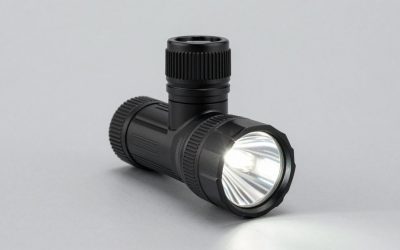
Directional cabinet lamps offer more aiming control than a continuous LED strip. IKEA’s YTBERG is an example of a slim adjustable cabinet light, while TVÄRDRAG offers a more visible traditional shade. Their mounting, cords, dimming, and compatible drivers vary by product; choose a complete system before designing around a silhouette.
The lamp head should not touch opening doors or sit where a tall vase will strike it. Check the clearance to the ceiling, the light direction from the sofa, and the cabinet’s ability to take the manufacturer’s fasteners. A standalone clamp or freestanding lamp can be more appropriate for a rental than modifying the cabinet.
Pros:
- Adds focused accent light to the top of a tall furniture composition.
- Adjustable aiming can accommodate changing art and display arrangements.
- Visible fixtures can reinforce classic or transitional decor.
Cons:
- Lamp heads may visually crowd a low ceiling or narrow upper shelf.
- Some systems require separately purchased cables, controls, and drivers.
Who Should Skip It: Skip overhead cabinet lamps when they obstruct doors or cannot be fixed as the manufacturer requires.
Soft Bias Lighting Behind the TV, Not on the Cabinet Face
Best For: Dark viewing rooms with a television mounted above or just behind a media console.
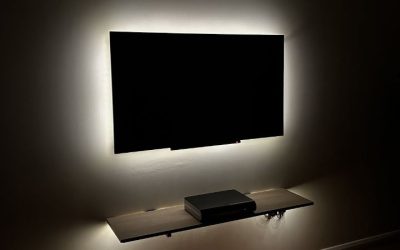
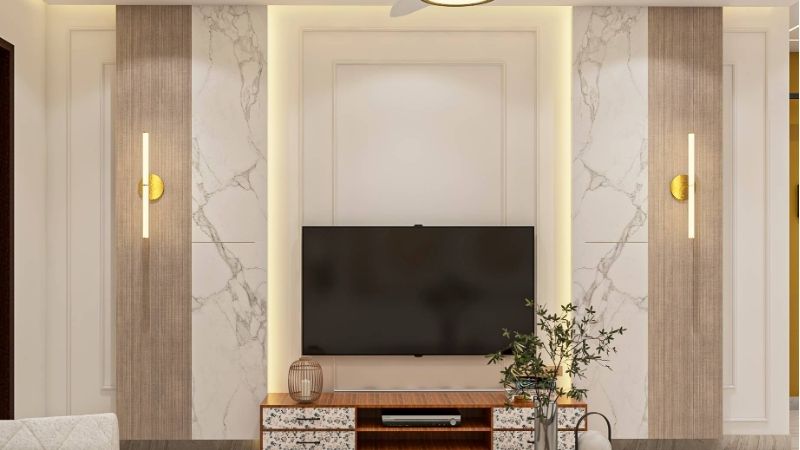
A soft halo on the wall behind the television can make the whole media zone feel less stark without highlighting the storage below it. Keep the effect separate from cabinet accent lighting: the light should be hidden behind the screen or a dedicated approved fixture and spread across the wall, not shine into the picture.
Fixed soft white is the quieter option for a neutral living room. Color-sync systems can be playful for games and movies, but they introduce additional compatibility and control decisions. Philips Hue describes both ambient and screen-reactive backlighting; those are product features, not a reason to expect every TV or streaming source to support syncing.
Respect the TV maker’s instructions for ventilation and attachments. Never cover cooling vents with a strip or put an unapproved power supply in a tightly enclosed electronics space. Assess the wall color too: saturated paint changes the perceived halo, while shiny finishes may create distinct bright patches instead of a diffuse glow.
Pros:
- Keeps light away from the cabinet doors and decorative objects.
- A soft white wall wash can complement nighttime television viewing.
- Available as simple ambient or more complex reactive effects.
Cons:
- TV-specific attachments and sync features may complicate device compatibility.
- Dark or glossy wall finishes can change the appearance of the halo.
Who Should Skip It: Skip a TV-attached strip when it would cover vents or conflict with the screen manufacturer’s instructions.
Sensor-Activated Lighting Inside Doors and Drawers
Best For: Media cabinets used to store game controllers, remote controls, discs, cables, and seldom-seen accessories.
Lighting inside a closed storage compartment solves a practical problem instead of decorating the wall. When a drawer or door opens, the relevant light can reveal small accessories that otherwise disappear into the back. It is a useful counterpoint to dramatic room lighting because it stays hidden when the furniture is shut.
Choose the sensing method around the compartment design: a drawer opening may suit a purpose-built drawer light, while some door cabinets support a contact or motion sensor. IKEA’s MITTLED drawer-light range demonstrates this category, but those products are dimensioned for specific cabinet systems and cannot be assumed to fit any TV console.
Consider how batteries or the approved power supply will be reached for maintenance before adding the fixture. Keep the light out of the drawer slides and away from pinched cables. If you use a sensor near devices that stay warm in standby, do not seal their cooling path merely to keep the light hidden from view.
Pros:
- Adds functional visibility exactly where small accessories are stored.
- Keeps decorative lighting off when cabinet doors are closed.
- Can suit family media storage without brightening the screen area.
Cons:
- Sensors can trigger unexpectedly if positioned poorly near moving hardware.
- Unusual drawer dimensions may exclude ready-made fixture systems.
Who Should Skip It: Skip the sensor approach when moving hinges, slides, or service access leave no protected fixture location.
Frequently Asked Questions
Cabinet lighting looks deceptively simple in room photos: the driver, power path, controller, diffuser, and maintenance access are mostly hidden. Before committing, check both the light manufacturer’s allowed mounting surface and your TV cabinet’s instructions, especially around ventilation, electrical gear, and moving doors.
What color temperature looks best on a TV cabinet?
Warm white is a sensible starting point for oak, walnut, and cozy evening rooms, while a neutral white may be better for finding accessories in a closed compartment. Pick the shade by the task and by the other room lamps, rather than treating one color temperature as correct for every cabinet.
Try one short sample of the actual fixture at night before lighting the whole wall. The cabinet finish, diffuser, nearby paint, and dimming level all change how the light appears. A green-gray cabinet under cool light may read very differently from the same surface in soft warm illumination.
How much light is enough without glare while watching TV?
Use only enough light to reveal the furniture outline or stored objects without seeing the emitting diodes from the sofa. A dimmer is valuable because the useful level changes between daytime, evening television, and housework. There is no universal brightness number for every room and TV installation.
Test glare from every regular seat with a dark scene on the screen and the main room lights off. Watch for reflections in glass doors, glossy shelves, polished floors, and the television itself. Move the fixture or add a compatible diffuser before increasing brightness to overpower the reflection.
Can I add cabinet lights in a rented apartment?
Yes, some renter-friendly looks use removable lighting systems or freestanding accent lamps, but the actual installation still depends on the furniture finish, lease terms, and the light manufacturer’s mounting rules. Removable does not mean that every adhesive will release cleanly from veneer or painted laminate.
Choose a complete plug-in system with an accessible adapter instead of altering building wiring. Check whether a cord can be kept out of walkways and away from hinges. If the only clean result requires a new recessed outlet or hidden in-wall wiring, ask the landlord and a qualified electrician first.
Should I put LED lights inside a closed cabinet with a game console?
Only where the console and lighting manuals allow the arrangement and where equipment ventilation remains unobstructed. Many media cabinets have openings intended to move warm air and route cords, so a decorative light or hidden driver should not occupy that space by default.
Measure the usable interior after accounting for the console, plugs, and the cabinet doors. Separate lighting-control access from equipment ventilation. If a compartment becomes crowded, put the glow on the outside edge of the furniture rather than adding another powered device inside it.
Final Thoughts
Of these tv cabinet lighting ideas, a dim warm-white toe-kick glow makes the gentlest change to a closed TV console, while shelf spotlights help a display cabinet earn its floor space. If the priority is easier storage, illuminate the drawer instead of the wall. Mock up the light at night and reject any design that shows bare LEDs from the sofa.