Our Top Picks
Navigating the modern bedding market can feel surprisingly overwhelming. While most shoppers dedicate weeks to researching mattresses, the pillow is responsible for supporting the top third of your spine—meaning an improper selection can derail the benefits of even the best sleep setup. Choosing the right pillow is not merely about finding a surface that feels plush when squeezed out of the box; it requires matching specific internal fills, profiles, and ergonomic contours to your unique sleep posture, temperature tendencies, and body shape.
The single most common mistake sleepers make is treating pillows as universal, one-size-fits-all accessories. Many buy based solely on surface feel, opting for ultra-soft down alternatives or rigid blocks of foam without considering their shoulder width or preferred sleeping position. Others cling to deteriorating pillows long past their lifespan, enduring morning neck stiffness and tension headaches caused by collapsed fills. As sleep ergonomics and material sciences have advanced into 2026, targeting your exact physiological needs with a specialized pillow is the fastest path to restorative, pain-free rest.

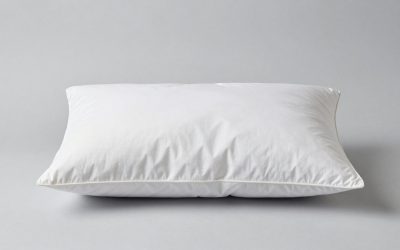
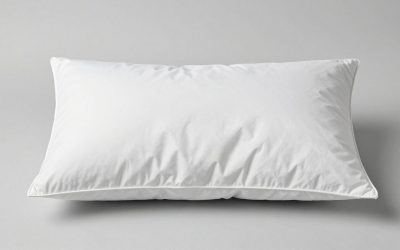
Coop Home Goods Original Adjustable Pillow, Queen Size Bed Pillow for Sleeping, Cross Cut Memory Foam Pillow - Medium Firm Back, Stomach and Side Sleeper Pillow, CertiPUR-US/GREENGUARD Gold
Chosen because it specifies Queen Size Bed Pillow for Sleeping and Cross Cut Memory Foam Pillow.
View on Amazon
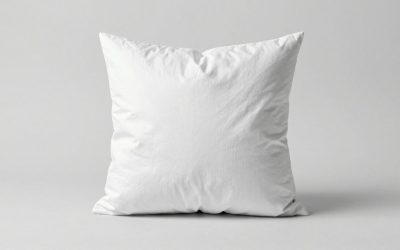
Coop Home Goods Eden Bed Pillow Queen Size for Sleeping on Back, Stomach and Side Sleeper- Medium Soft Memory Foam Cooling Gel - CertiPUR-US/GREENGUARD Gold
Chosen because it specifies CertiPUR-US/GREENGUARD Gold.
View on Amazon
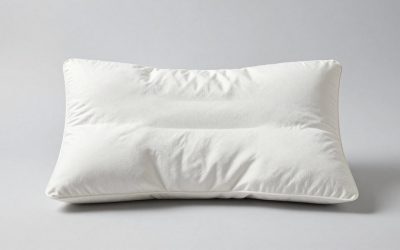
Coop Home Goods Cool+ Adjustable Pillow, King Size Plus Shaped Memory Foam Pillows with Cooling Gel, Back, Neck Support, Stomach or Side Sleeper Pillow, CertiPUR-US/GREENGUARD Gold
Chosen because it specifies King Size Plus Shaped Memory Foam Pillows with Cooling Gel and Back.
View on Amazon
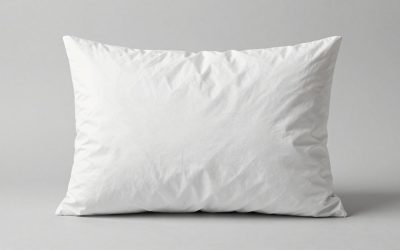
Coop Home Goods Original Crescent Adjustable Pillow, Queen Bed Pillows for Shoulder, Neck & Head Support, Crescent Foam Pillows - Medium Firm for Back & Side Sleeper, CertiPUR-US/GREENGUARD Gold
Chosen because it specifies Queen Bed Pillows for Shoulder and Neck & Head Support.
View on AmazonStart Here: Which Pillows Guide Do You Need?
| Guide | Best For | Typical Budget |
|---|---|---|
| Best Memory Foam Pillows | Deep pressure relief, contouring support, and adjustable loft customization | Mid to Premium |
| Best Cooling Pillows | Hot sleepers, night sweats, and active thermal regulation | Mid to Premium |
| Best Body Pillows | Side sleepers requiring full-body alignment and hip stabilization | Budget to Mid |
| Best Pregnancy Pillows | Maternity support, belly propping, and pelvic joint relief | Mid to Premium |
| Best Latex Pillows | Eco-conscious buyers, responsive bounce, and durable natural lift | Premium |
| Best Bamboo Pillows | Breathable outer covers, hypoallergenic needs, and moisture-wicking comfort | Budget to Mid |
| Best Cervical Pillows | Chronic neck pain, upper cervical instability, and strict back-sleeping alignment | Mid to Premium |
| Best Bed Wedge Pillows | Acid reflux, GERD symptoms, obstructive snoring, and upright reading support | Budget to Mid |
Pillows for Ergonomic Support and Pain Relief
If you wake with upper back tightness, shoulder impingement, or nagging stiffness along your cervical spine, standard rectangular fills often fail to provide adequate structural reinforcement. Achieving a neutral spine requires specialized dimensions engineered around human anatomy. Our comprehensive review of the best cervical pillows reveals how dedicated neck rolls, central head depressions, and contour cutouts cradle the cranium while filling the critical void beneath the neck. For sleepers coping with gastroesophageal reflux disease (GERD), sinus congestion, or sleep apnea, elevating the entire torso is vastly superior to stacking multiple unstable cushions. In our evaluation of the best bed wedge pillows, the decisive specification is the incline angle—typically between 7.5 and 12 inches of gradual rise—paired with high-density polyurethane base foam that prevents gradual sagging throughout the night, ensuring therapeutic elevation remains constant.
Pillows for Temperature Regulation and Breathability
Thermal comfort directly dictates your ability to enter and maintain deep slow-wave sleep. If you repeatedly flip your pillow seeking a cooler spot, your resting microclimate is trapping too much ambient body heat. In our detailed lab breakdown of the best cooling pillows, we emphasize the difference between temporary phase-change materials and permanent passive airflow designs, such as ventilated foam cores and moisture-wicking textiles. Complementing this thermal focus, our guide to the best bamboo pillows highlights covers crafted from bamboo-derived viscose and rayon. The decisive metric here is cellular breathability and moisture management: bamboo fibers naturally pull sweat away from the face while shredded, adjustable fills allow hot air to cycle out of the core, keeping both back and side sleepers temperate without feeling cold to the touch.
Pillows by Material and Fill Type
The internal composition of your pillow dictates its tactile pushback, lifespan, and pressure-distributing capabilities. Viscoelastic foam contours around the head via heat and weight, creating a slow-sinking cradle that isolates movement. In our guide to the best memory foam pillows, we examine the crucial distinction between solid-slab and shredded designs, prioritizing fill density (ideally 3 to 4 pounds per cubic foot) to avoid premature flattening. Conversely, sleepers who dislike that stuck-in-sand sensation often prefer natural polymers. Our guide to the best latex pillows explores Dunlop and Talalay rubber options. The decisive specification for latex is its open-cell elasticity and instantaneous bounce, offering buoyant, pressure-relieving support that retains its original structural height for five to ten years without clumping or flattening.
Full-Body and Maternity Sleep Solutions
Standard head pillows cannot address issues stemming from pelvic rotation, hip adduction, or expanding abdominal pressure. When side sleeping, the weight of the top leg often twists the lumbar spine forward, creating localized tension across the lower back. Utilizing the best body pillows creates an ergonomic buffer between the knees and arms, stabilizing the hips and anchoring the torso in a balanced posture. For expectant mothers, standard straight cylinders often fall short of meeting complex physical demands. Our guide to the best pregnancy pillows assesses U-shaped and C-shaped configurations designed to simultaneously brace the lower back, tuck smoothly between the knees, and cushion the belly. In both categories, the decisive factors are total perimeter length and fill resiliency, which prevent the cushion from bottoming out under substantial body weight.
How to Choose Pillows: 5 Rules
- Match Loft to Sleeping Position: Your primary sleep posture determines the vertical height (loft) you need. Side sleepers require a high loft (4 to 6 inches) to span the distance from the neck to the edge of the shoulder. Back sleepers need a medium loft (3 to 4 inches) to keep the chin from tilting toward the chest. Stomach sleepers must utilize an ultra-low loft (under 3 inches) or sleep without a pillow to prevent severe hyperextension of the neck.
- Prioritize Adjustability: Fixed-loft pillows force your body to adapt to the manufacturer’s predetermined measurements. When uncertain, choose pillows featuring zippered access with removable shredded memory foam, latex, or fiber fills. This allows you to add or extract handfuls of material until your head, neck, and spine achieve absolute horizontal alignment.
- Factor in Mattress Firmness: A pillow never operates in isolation; it functions as an integrated system with your mattress. If you sleep on a plush mattress, your torso sinks deeper into the bed, reducing the gap between your neck and the sleep surface, which requires a lower pillow loft. If you rest on a firm mattress, your shoulders stay elevated on top of the surface, necessitating a thicker, firmer pillow to avoid strain.
- Demand High-Density Cores: Low-density foams and cheap polyester fiberfill degrade rapidly, developing hollow depressions within months of purchase. Look for certified latex cores, shredded foams with a density rating above 3.5 lbs/cu.ft., or continuous-filament synthetic downs. High structural integrity guarantees uniform pushback and prevents you from waking up on a compressed pancake.
- Verify Hypoallergenic and Safety Certifications: Because your face rests against your pillow for roughly eight hours every night, off-gassing and chemical safety are critical. Insist on products bearing independent certifications such as OEKO-TEX Standard 100, CertiPUR-US, or GOLS (Global Organic Latex Standard) to ensure the materials are completely free from harmful flame retardants, heavy metals, and volatile organic compounds (VOCs).
FAQ
How often should I replace my bed pillows?
Most standard memory foam and synthetic pillows should be replaced every 18 to 24 months, as they accumulate dead skin cells, natural oils, and dust mites while gradually losing supportive loft. Natural latex and high-density specialty pillows can often maintain their resilience and hygiene for up to four or five years if protected by a zippered pillow protector. If you fold your pillow in half and it fails to spring flat immediately, it is time for a replacement.
What pillow firmness is best for chronic neck pain?
A medium-firm pillow provides the best balance of plush contouring and structural pushback for persistent neck discomfort. Softer pillows allow the head to sink too far, hyper-flexing the neck, while excessively firm pillows create high pressure points along the base of the skull. Ergonomic contour shapes or adjustable shredded fills allow you to dial in this medium-firm support precisely.
Can a wedge pillow completely cure nighttime acid reflux?
While a wedge pillow is not a medical cure, elevating the upper torso by 6 to 9 inches uses gravity to keep stomach acid from migrating upward into the esophagus. Clinical studies regularly show that this positional therapy dramatically reduces nighttime heartburn episodes and sleep disruptions. For maximum relief, pair an ergonomic wedge pillow with sleeping on your left side.
Is natural latex noticeably cooler than cooling memory foam?
Yes, natural latex is inherently more breathable than traditional memory foam due to its perforated, open-cell vulcanized structure that allows ambient air to circulate continuously. While cooling memory foam relies on infused gel beads, graphite, or phase-change surface treatments that can eventually become warm once saturated with heat, natural latex maintains passive, consistent ventilation throughout the entire night.