Key takeaways
- How to Choose Lucid Mattresses: What Actually Matters
- How to Choose Crib Mattresses: What Actually Matters
- How to Choose Budget Memory Foam Mattresses: What Actually Matters
- How to Choose Mattresses for Side Sleepers Heavy Person: What Actually Matters
- How to Choose Latex Pillows: What Actually Matters
What's inside
- Evaluating Coil Count and Wire Gauge
- Assessing Comfort Layer Density
- The Importance of Edge Support Reinforcement
- Matching Your Sleep Style to Firmness and Support
- Sizing, Foundation, and Bedroom Compatibility
- Common Pitfalls to Avoid in the Budget Tier
- When It Makes Sense to Stretch Your Budget
- Related Guides
- FAQ
- Related Guides
Shopping for a new bed in 2026 requires navigating a crowded market where the sub-$1000 tier offers surprisingly high-end construction. Hybrid mattresses, which combine pocketed steel coils with contouring foam or latex layers, provide an ideal balance of pressure relief and responsive bounce. However, not all budget-friendly hybrids are engineered to last, meaning you have to look past flashy marketing terms and evaluate the structural anatomy of the bed.
- Evaluating Coil Count and Wire Gauge
- Assessing Comfort Layer Density
- The Importance of Edge Support Reinforcement
- Matching Your Sleep Style to Firmness and Support
- Sizing, Foundation, and Bedroom Compatibility
- Common Pitfalls to Avoid in the Budget Tier
- When It Makes Sense to Stretch Your Budget
- Related Guides
- FAQ
- Related Guides
To secure a durable, supportive sleep surface without breaking your budget, you need a clear framework for evaluating materials, thickness, and warranty terms. This guide breaks down the core specifications that actually dictate comfort and longevity, helping you separate clever marketing from genuine value when shopping under one thousand dollars.
As an Amazon Associate we earn from qualifying purchases at no extra cost to you. Product prices and availability are accurate as of the date shown and are subject to change.

Evaluating Coil Count and Wire Gauge
The foundation of any quality hybrid mattress is its inner spring unit, typically built with individually wrapped pocketed coils. In the sub-$1000 price bracket, look for a queen-size coil count ranging from 700 to upwards of 1,000 springs. A higher coil count generally improves motion isolation and contouring, as individual springs compress independently under your body weight.
Beyond the raw count, pay attention to the wire gauge, which measures the thickness of the steel. Lower gauge numbers indicate thicker, firmer wire, while higher numbers mean thinner, more flexible wire. Many durable hybrids use thicker perimeter coils (around 13-gauge) to reinforce the edges and slightly thinner interior coils (around 14.5 to 15-gauge) to allow for comfortable shoulder and hip depression.
Assessing Comfort Layer Density
The comfort layers sitting on top of the coil base determine how the mattress feels the moment you lie down. In budget hybrids, manufacturers often use memory foam, gel-infused foam, or standard polyfoam. The critical factor here is material density rather than advertised thickness. Low-density foams tend to develop body impressions and sag prematurely within a couple of years.
For memory foam comfort layers, look for a density of at least three pounds per cubic foot, and for standard polyfoam, aim for 1.8 pounds per cubic foot or higher. If a brand lists a total mattress thickness of 11 to 14 inches but the comfort layers are paper-thin, you will likely feel the hard transition to the coils below, resulting in pressure buildup and joint soreness.
The Importance of Edge Support Reinforcement
One common weak point in inexpensive hybrid beds is inadequate edge support, which causes the sides to collapse when you sit on the perimeter or sleep near the edge. A well-engineered hybrid should feature either reinforced heavier-gauge perimeter coils or a high-density foam encasement surrounding the entire inner spring core.
Strong edge support effectively expands your usable sleeping surface, allowing couples to utilize the full width of a queen or king mattress without feeling like they are rolling off. When reading specifications, check whether the manufacturer explicitly mentions reinforced edge coils, as standard unreinforced coils in a budget build will often yield significantly under pressure.
Matching Your Sleep Style to Firmness and Support
Price does not dictate firmness, but it does dictate how well a mattress maintains its structural integrity across different sleeping positions. Side sleepers generally require a softer surface (medium to medium-firm) to cushion shoulders and hips, preventing alignment strain. If a budget hybrid is too stiff, side sleepers will experience numbness and shoulder pinch.
Conversely, back and stomach sleepers need a firmer support profile to prevent the hips from sinking too deeply, which arches the lower back and causes chronic pain. Look for models that feature zoned support layers, which use firmer foams or closer coil arrangements under the middle third of the body to keep your spine in a neutral alignment.
Sizing, Foundation, and Bedroom Compatibility
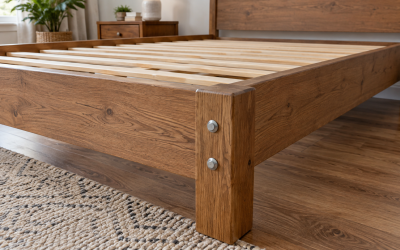
Hybrid mattresses are exceptionally heavy due to the combination of steel coils and multiple foam layers. Before purchasing, verify that your existing bed frame or foundation can handle the weight and provide proper support. Slatted foundations should have gaps no wider than three inches to prevent the foam layers from sagging into the spaces between slats.
Additionally, measure your door frames, stairwells, and bedroom layout. While most budget hybrids arrive compressed and rolled in a box, a king-size hybrid can still be unwieldy and heavy to maneuver into place. Ensure your bed frame leaves enough clearance so you can easily tuck in fitted sheets over thicker 12-to-14-inch profiles.
Common Pitfalls to Avoid in the Budget Tier
When shopping under one thousand dollars, buyers frequently fall into the trap of prioritizing overall height over material quality. A 14-inch mattress packed with cheap, low-density foam will feel comfortable for a month and degrade rapidly. Always prioritize verified material density and coil quality over sheer thickness.
Another mistake is skipping the fine print on trial periods and return policies. Even with thorough research, comfort is subjective. Ensure your chosen brand offers at least a 100-night sleep trial with free returns, and check whether return shipping fees or restocking charges apply if the mattress does not work out for you.
When It Makes Sense to Stretch Your Budget
While great options exist under $1000, certain sleep requirements justify stepping slightly above your budget cap. If you share a bed and require absolute motion isolation, or if you weigh over 250 pounds and need heavy-duty commercial-grade coils, entry-level budget models may wear out too quickly.
Similarly, if you suffer from severe chronic back pain that requires specialized zoned latex or advanced phase-change cooling materials, stretching toward the $1200 to $1500 tier can unlock significantly better durability and targeted ergonomic support that saves you from replacing the mattress prematurely.
Related Guides
If you are still comparing different price points and specifications, you can browse through our curated list of top-rated hybrid models or explore our budget-focused roundup of the most affordable mattresses to see how entry-level foam and coil designs compare.
FAQ
How long should a sub-$1000 hybrid mattress last?
A well-constructed hybrid mattress in this price tier typically lasts between six and eight years with proper care and rotation. Longevity depends heavily on the density of the comfort foams and the gauge of the steel coils used in the core.
Do hybrid mattresses require a box spring?
No, modern hybrid mattresses do not require traditional box springs, which can actually damage pocketed coils over time. Instead, they perform best on solid platforms, sturdy slatted frames with narrow gaps, or adjustable bed bases.
Can heavier sleepers find good support under $1000?
Yes, heavier sleepers can find supportive options, but they should specifically seek out models with thicker steel coils, high-density base foam, and a total thickness of at least 12 inches. Avoiding ultra-soft models will prevent excessive sinking and premature body impressions.
Are fiberglass materials common in budget hybrid beds?
Some ultra-cheap online brands use fiberglass beneath the outer cover as a cheap fire retardant, which can cause severe cleaning and health issues if the cover is removed. Always check product specifications to ensure the fire barrier is made of safer materials like silica yarn, wool, or Kevlar blends.