Key takeaways
- Pro: Strong shoulder and hip contouring for the price tier.
- Pro: Effective motion isolation in a hybrid build.
- Con: Medium-firm edge support may feel thin for heavier side sleepers.
What's inside
Side sleepers carry their weight through the shoulder and hip, which means pressure points form fast if a mattress is too firm. The concrete problem is alignment: your spine needs to stay level from neck to lower back while the mattress yields just enough at the shoulder and hip to prevent numbness and morning stiffness. Too soft, and your midsection sags into a hammock shape that strains the lumbar region. Too firm, and you wake up with a dead arm or a throbbing hip.
What separates a genuinely good side-sleeper mattress from a mediocre one comes down to three things visible on any spec sheet: comfort-layer thickness and density, zone placement in the support core, and whether the cover and materials run cool. We compared the published specifications, price points, and owner feedback across eight options to identify which ones actually address the shoulder-hip sink problem without sacrificing spinal support. The lineup below spans budget to premium, and 2026 has made the entry-level tier noticeably more competitive.
As an Amazon Associate we earn from qualifying purchases at no extra cost to you. Product prices and availability are accurate as of the date shown and are subject to change.




Quick Picks
| Product | Best For | Price |
|---|---|---|
| Queen 14 Inch Hybrid (Medium Firm) | Value-focused side sleepers | $239.99 |
| Sleepmax 14 Inch Cooling Hybrid | Hot sleepers with joint pain | $499.99 |
| Queen 14 Inch Hybrid (7-Zone) | Lumbar support seekers | $299.99 |
| BedStory 14 Inch Zoned Hybrid | Balanced comfort and support | $349.99 |
| Novilla Bliss 14 Inch Gel Memory Foam | Classic memory foam feel | $339.99 |
| Zinus 8 Inch Cooling Memory Foam | Tight budgets or guest rooms | $129.99 |
| King 14 Inch Hybrid (7-Zone) | Couples who prefer king size | $259.99 |
| UniPon 14 Inch Zoned Hybrid | Risk-averse buyers | $269.98 |
How We Picked
We evaluated each product on four criteria that matter most for side sleepers: comfort-layer depth (enough material to cushion the shoulder without bottoming out), zoned support design (whether the coil or foam core targets lumbar and hip zones independently), cooling features (gel infusion, breathable covers, or open-cell structures that prevent heat trapping), and owner-reported durability after months of nightly use. Price-to-spec ratio served as the final tiebreaker, especially since several of these models cluster within fifty dollars of one another while offering meaningfully different construction.
The 8 Best What Is The Mattress For Side Sleepers in 2026
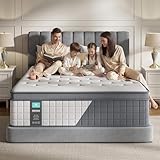
Queen 14 Inch Hybrid Mattress, Medium Firm
This is the value anchor of the group. At fourteen inches with a medium-firm feel, it gives side sleepers enough top-layer cushion to sink their shoulders while the hybrid coil base keeps the spine from sagging. Owners consistently praise the motion isolation for a budget hybrid, noting minimal disturbance from a partner rolling over.
- Pro: Strong shoulder and hip contouring for the price tier.
- Pro: Effective motion isolation in a hybrid build.
- Con: Medium-firm edge support may feel thin for heavier side sleepers.
Skip this one if you weigh more than 230 pounds or need a noticeably plush top layer; the feel skews firm enough that lighter side sleepers might still feel some shoulder pressure.
Sleepmax Queen Mattress 14 Inch, Cooling Pain Relief Hybrid
Built explicitly for sleepers dealing with joint or muscle pain, the Sleepmax pairs a cooling layer with a hybrid support core. Side sleepers who run hot and wake up achy will find the most direct match here. The premium price buys a thicker comfort layer and more targeted pressure relief than the budget options above.
- Pro: Dedicated cooling layer addresses heat without relying on a gimmick material.
- Pro: Pain-relief construction targets hips and shoulders specifically.
- Con: Price is nearly double the value-tier options for a similar 14-inch profile.
Skip this if budget is the primary concern; you lose only marginal comfort compared to mid-tier picks.
Queen 14 Inch Hybrid Mattress, 7-Zone Lumbar Support
The seven-zone coil system is the headline here. Different firmness sections across the length of the bed mean the lumbar area receives firmer support while shoulder and hip zones stay softer—exactly what a side sleeper needs for neutral alignment. The 14-inch thickness keeps the top layers generous enough to prevent bottoming out.
- Pro: Seven-zone design targets side-sleeper alignment without a custom topper.
- Pro: Medium-firm feel still yields at the shoulder for most sleepers under 220 pounds.
- Con: Zone boundaries can feel noticeable during transitions if you change positions often.
Skip this if you are an active combo sleeper who shifts between positions; fixed zones benefit static side sleeping most.
BedStory 14 Inch Medium Firm Queen Hybrid Mattress with Zoned Support
The BedStory occupies the sweet spot between the budget hybrid and the premium Sleepmax. Its zoned support structure and 14-inch profile deliver comfortable pressure relief at a price that feels fair for the build quality. Owner feedback highlights a well-balanced firmness that doesn’t swing too soft or too firm.
- Pro: Zoned support provides meaningful hip and shoulder relief without over-softening.
- Pro: Competitive pricing for the 14-inch hybrid category.
- Con: Cooling features are less pronounced than the Sleepmax or Novilla gel options.
Skip this if you sleep very hot and want a dedicated gel or phase-change cooling layer built in.
Novilla Bliss Mattress Queen Size, 14 Inch Gel Queen Memory Foam
For sleepers who want the classic enveloping memory foam feel rather than a hybrid bounce, the Novilla Bliss delivers with gel infusion designed to temper heat retention. Side sleepers who love the “hug” sensation and need deep shoulder contouring will appreciate the full foam stack’s consistent pressure distribution.
- Pro: Gel memory foam contours closely around the shoulder and hip without gap.
- Pro: No coil-related noise or flex concerns over years of use.
- Con: Foam construction still sleeps warmer than the hybrid cooling options.
Skip this if you prefer any bounce or find full-foam beds too conforming; the lack of a coil layer changes the feel fundamentally.
Zinus 8 Inch Full Cooling Essential Memory Foam Mattress, Medium Feel
At eight inches and $129.99, the Zinus is not a primary-bed candidate for most adult side sleepers. However, it works well as a guest room, kids room, or short-term rental solution where budget dominates and occasional side sleeping needs are modest. The cooling essential layer adds marginal temperature relief over standard foam.
- Pro: Lowest price point in the group, suitable for temporary or secondary use.
- Pro: Cooling essential layer helps avoid the worst heat-trapping typical at this thickness.
- Con: Eight inches of foam provides limited shoulder sink for nightly side sleepers.
Skip this for nightly use if you have chronic hip or shoulder pain; the profile simply cannot offer adequate pressure relief.
King 14 Inch Hybrid Mattress in a Box, Medium Firm, 7-Zone
Structurally similar to the Queen 7-Zone pick but in king size, this option makes sense for couples where one or both partners sleep on their side. The king surface gives each sleeper room to maintain proper shoulder alignment without crowding. At $259.99, it is remarkably competitive for a king hybrid with zoning.
- Pro: King size eliminates space-sharing issues that cause side-sleeper misalignment.
- Pro: Seven-zone support benefits both partners independently.
- Con: Only available in king; no queen or twin alternative in this specific listing.
Skip this if you sleep alone in a smaller room; the king footprint wastes floor space without meaningful comfort gain for a single side sleeper.
UniPon 14 Inch Queen Size Mattress, Hybrid with Zoned Lumbar Support
The UniPon distinguishes itself through purchase confidence rather than exotic materials. A 365-night trial and 10-year warranty, combined with a fiberglass-free construction claim, make it the low-risk option in this group. The zoned lumbar support addresses the side-sleeper alignment problem directly, and the price sits comfortably in the mid-tier.
- Pro: 365-night trial removes almost all purchase risk for uncertain buyers.
- Pro: Fiberglass-free construction appeals to health-conscious households.
- Con: Cooling features are not a highlighted strength compared to gel or dedicated-cooling rivals.
Skip this if you prioritize active cooling over trial-period security; look at the Sleepmax or Novilla instead.
Buying Guide
Comfort Layer Depth and Density
Side sleepers need a minimum of three inches of comfort material above the support core to allow proper shoulder and hip sink without bottoming out. A 14-inch mattress typically allocates four to five inches to top layers, which is the target range. Check whether the comfort material is gel-infused memory foam (slower contouring, more cooling) or open-cell foam (faster response, less heat). Avoid anything under three inches of cushion if you sleep exclusively on your side.
Zoned Support Architecture
A zoned coil or foam core divides the bed into sections of varying firmness, typically three to seven zones. The practical benefit for side sleepers is targeted firmness under the lumbar while softer zones accommodate the shoulder and hip. Not all zoning is equal: look for at least three distinct firmness sections and confirm the zone layout places the softest areas at the shoulder and hip positions, not just the head of the bed.
Cooling Mechanisms That Actually Work
Cooling in a mattress comes from material choice, not marketing labels. Gel infusion pulls heat away from the foam body. Open-cell structures allow air circulation within the comfort layer. A breathable cover (bamboo-derived rayon, phase-change fabric) adds a thin but real layer of temperature management. A hybrid construction inherently sleeps cooler than full foam because the coil layer permits airflow through the bed’s core. If you run hot, prioritize hybrid over full foam, then look for at least one additional cooling feature on top.
Our Verdict
The top pick for most side sleepers is the Queen 14 Inch Hybrid with 7-Zone Lumbar Support at $299.99. It delivers targeted zoning, adequate thickness, and a medium-firm feel that balances shoulder sink against spinal support—all at a price that undercuts most competitors in the same construction category. The budget pick is the Queen 14 Inch Hybrid (Medium Firm) at $239.99, which covers 80 percent of what side sleepers need without spending more. However, if you sleep hot and wake with joint pain, the Sleepmax Cooling Pain Relief Hybrid at $499.99 earns its premium through the dedicated cooling layer and thicker targeted comfort zone.
FAQ
Is medium firm the right firmness for side sleepers?
Medium firm is the most universally recommended starting point because it cushions the shoulder while still supporting the lumbar. Sleepers under 150 pounds may prefer a softer medium feel, while those over 220 pounds often need a firmer variant to prevent hip sink.
Do side sleepers need a special topper?
A topper helps if your current mattress is too firm or too thin in the comfort layer. If you are buying a 14-inch mattress from this list, a topper is usually unnecessary because the built-in comfort layer already provides adequate sink depth.
Are hybrids better than memory foam for side sleepers?
Hybrids offer better airflow and more responsive support, which helps with alignment during position changes. Memory foam contours more closely and eliminates motion transfer, which benefits lighter side sleepers who prefer the hug sensation. Neither is objectively superior; it depends on whether you prioritize cooling or contouring.
How long should a side sleeper wait before knowing a mattress is wrong?
Bone and soft tissue need roughly three to four weeks to adjust to a new support profile. Judge comfort after 30 nights of consistent sleeping. If shoulder or hip pain persists beyond six weeks, the mattress likely does not have sufficient comfort-layer depth for your body weight and frame.