Key takeaways
- The number that matters is what one shelf holds, not the total the whole unit can carry across every level. The best metal shelves for garage use publish a per-shelf capacity, so you can load a single shelf with confidence…
The number that matters is what one shelf holds, not the total the whole unit can carry across every level. The best metal shelves for garage use publish a per-shelf capacity, so you can load a single shelf with confidence rather than guessing from a total figure that assumes a perfectly even spread.
As an Amazon Associate we earn from qualifying purchases.
By KK Home Furnishings Editorial Team
How to Choose the Best Metal Shelves for a Garage
Garage shelving is judged on per-shelf capacity and footprint, not a headline total. The criteria below start with the per-shelf figure and why it differs from total capacity, then cover the footprint, the way casters change the rating, and the construction and safety that keep a loaded unit standing where you put it.
Per-Shelf Capacity, Not Just Total
Load one shelf to its per-shelf rating, not the total divided evenly, since those are different numbers. The DEWALT DXST10000 lists 2,500 pounds per shelf and the Gladiator 2,000, both strong per-shelf figures, while a total-only rating tells you the unit’s sum but not how much any single shelf can safely hold on its own.
A total capacity assumes an even spread you rarely achieve, so a unit rated 4,000 pounds total is not four 1,000-pound shelves if its per-shelf limit is lower. Confirm the per-shelf figure for the shelves you will load heavily, since a heavy toolbox or a stack of paint lands on one shelf, not across all of them.
Some units publish only a total, which leaves the per-shelf limit unconfirmed. The ATLAS 36, for instance, lists a 4,000-pound total but its per-shelf figure needs manual confirmation, so treat a total-only rating as incomplete and check the manual before loading a single shelf to what seems like its share of the total.
Footprint and Shelf Dimensions
Footprint decides what fits and where the unit stands. The DEWALT and Gladiator measure about 77 by 24 by 72 inches, while the ATLAS 36 is a narrower 36 by 18 by 72, so match the depth and width to your wall space and to the bins, totes, or tools you plan to store on each level of the unit.
Shelf depth affects both capacity use and access. A deeper shelf holds more but can bury items at the back, while a narrower unit like the ATLAS suits a tight wall or a spot between a door and a corner, so measure your space and your largest items before assuming the biggest unit is the right one.
Consider adjustable shelf heights, since garage items vary from short cans to tall equipment. A unit whose shelves reposition lets you size the gaps to your load, which uses the footprint better than fixed shelves, so check the adjustability as well as the dimensions when matching a unit to what you actually store.
Casters and the Condition Behind the Rating
Adding wheels can change the load rating drastically, so read the condition. The Seville SHE24602B lists 800 pounds per shelf on its feet and a 4,000-pound total, but only about 500 pounds total once it is on wheels, so the caster configuration, not just the shelf, determines how much you can safely load.
Casters trade capacity for mobility, which suits a unit you reposition but not one you load to the limit. If you need to move the shelving, accept the lower wheeled rating and load accordingly; if you need maximum capacity, keep it on its feet, since the same unit is a very different shelf depending on how it stands.
Always load to the rating for the configuration you are actually using, not the higher figure for a different setup. A unit rated 800 pounds per shelf on feet but 500 pounds total on wheels is dangerous if loaded as if the feet rating applied while it rolls, so match the load to the real, current condition.
Construction, Stability and Safety
Build quality and stability keep a loaded unit standing. Look at the gauge of the steel, the shelf support, and whether the unit anchors to a wall, since a tall, heavily loaded shelf can tip, and a garage unit carrying hundreds of pounds per shelf needs a solid frame and a stable footing on an even floor.
Keep heavier items on lower shelves to lower the center of gravity, which improves stability regardless of the rating, and distribute the load rather than piling it at one end. On an uneven garage floor, level the unit so it does not rock, since a wobble under heavy load is both a stability and a capacity concern.
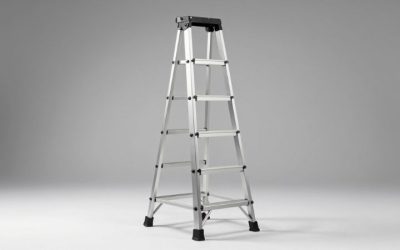
Never stand or climb on garage shelving, since it is built to hold goods, not people, and doing so can collapse a shelf or topple the unit. Use a proper ladder to reach high shelves, respect the per-shelf and configuration rating on every load, and check the hardware periodically for any sign of bending or loosening.
Top Picks
Each pick leads with its per-shelf capacity and footprint, the real measures of the best metal shelves for garage use, plus the trade-off worth knowing. Capacity is published per shelf for most of these, so where a unit lists only a total, that is noted as a figure to confirm rather than loaded against directly.
| Product | Best For | Key Spec | Watch Out For |
|---|---|---|---|
| DEWALT DXST10000 | Best overall | 2,500 lb per shelf; 77×24×72 in | A heavy, large unit to assemble and place |
| Gladiator | Best value | 2,000 lb per shelf; 77×24×72 in | Still needs an even floor for stability |
| Seville SHE24602B | Best for mobility | 800 lb/shelf on feet; ~500 lb total on wheels | Wheels drop the rating sharply |
| ATLAS 36 | Best for a narrow footprint | 36×18×72; 4,000 lb total | Per-shelf figure needs manual confirmation |
DEWALT DXST10000: Best Overall
The DEWALT DXST10000 takes the top slot on per-shelf capacity, listing 2,500 pounds per shelf on a 77-by-24-by-72-inch frame. It suits a garage storing heavy tools, parts, and equipment. It sits in the premium tier, so confirm the current price before ordering a unit built to this capacity.
Its advantage is the highest per-shelf rating here, so you can load a single shelf heavily without approaching its limit, backed by a large, deep footprint. Measure your wall space against the 77-inch width, plan the shelf heights for your items, and keep the heaviest loads low to keep the tall unit stable on an even floor.
The honest caveat is size and weight: it is a large, heavy unit to assemble and position, so plan the space and the build. Load to the per-shelf figure rather than piling everything on one level, level it on an uneven garage floor, and never climb on it, since it is built for goods rather than for people.
Gladiator: Best Value
The Gladiator is the value pick, listing 2,000 pounds per shelf on the same 77-by-24-by-72-inch footprint as the DEWALT. It suits a garage needing strong per-shelf capacity at a friendlier price. It sits in the mid-to-premium tier, so confirm the live price before choosing it over the higher-rated DEWALT.
Its strength is a high 2,000-pound per-shelf rating and a large footprint at a lower cost, which covers most garage loads with margin. Match the 77-inch width to your wall, plan adjustable shelf heights for your items, and distribute each load rather than concentrating it, since the per-shelf figure assumes a reasonable spread.
The honest caveat is that a tall, heavily loaded unit still needs an even floor and stable footing, so level it and keep heavy items low. Load to the per-shelf rating, not a total divided evenly, and as with any shelving, never stand on it, since it is designed to hold stored goods and not a person’s weight.
Seville SHE24602B: Best for Mobility
The Seville SHE24602B is the pick when you need to move the unit, listing 800 pounds per shelf on its feet and a 4,000-pound total, but only about 500 pounds total once on wheels. It suits a garage where repositioning matters. It sits in the mid tier, so confirm the current price before ordering.
Its advantage is mobility: casters let you roll the unit to clean or rearrange, which a fixed shelf cannot. Decide upfront whether you will use it on feet or wheels, since that choice sets the capacity, and load it to the configuration you actually use rather than the higher on-feet figure while it rolls.
The honest caveat is the dramatic rating drop on wheels, from 800 pounds per shelf on feet to about 500 pounds total rolling, so the casters trade capacity for mobility. Never load it to the feet rating while on wheels, keep heavy items low for stability, and confirm the floor is even so a loaded, rolling unit does not tip.
ATLAS 36: Best for a Narrow Footprint
The ATLAS 36 is the pick for a tight space, a narrow 36-by-18-by-72-inch unit listing a 4,000-pound total. It suits a wall or corner where a full-width shelf will not fit. It sits in the mid tier, so confirm the live price before choosing it for a narrow spot where the wider units cannot go.
Its advantage is the compact 36-by-18 footprint, which fits where the wider units cannot, while still offering a high total capacity. Measure your narrow space against its dimensions, plan the shelf heights for your items, and keep heavier loads low, since a narrower unit can be more prone to tipping if loaded top-heavy.
The honest caveat is that it publishes a 4,000-pound total but not a confirmed per-shelf figure, so check the manual before loading a single shelf heavily. Do not assume the total divides evenly into shelves, level the unit on an uneven floor, and as always, never climb on it to reach the upper shelves.
Frequently Asked Questions
Shoppers outfitting a garage ask the same questions about capacity, wheels, and safety. Each answer below opens with the short version, then the detail that changes it, so you can match the best metal shelves for garage use to your real loads and space rather than to a total figure that overstates what one shelf holds.
Is per-shelf capacity the same as total capacity?
No. Per-shelf capacity is what one shelf holds, while total capacity is the unit’s sum assuming an even spread you rarely achieve. A 4,000-pound total is not four 1,000-pound shelves if the per-shelf limit is lower, so load each shelf to its own rating rather than to a share of the total.
The distinction matters because weight lands unevenly. A heavy toolbox or a stack of paint sits on one shelf, not across all of them, so the per-shelf figure is what keeps that shelf safe, while the total only describes the whole unit under an ideal, even load you seldom have in practice.
When a unit publishes only a total, treat the per-shelf limit as unconfirmed and check the manual. The ATLAS 36, for example, lists a 4,000-pound total but needs manual confirmation for per-shelf, so do not assume the total divides evenly, since overloading one shelf is how an otherwise strong unit fails.
Do wheels change the weight rating?
Yes, often dramatically. Adding casters lowers the capacity, since the load now rides on wheels and a different support path. The Seville, for instance, holds 800 pounds per shelf on its feet but only about 500 pounds total on wheels, so the configuration, not just the shelf, determines how much you can safely load.
Decide how you will use the unit before loading it. If you need mobility, accept the lower wheeled rating and load to it; if you need maximum capacity, keep it on its feet. Loading to the on-feet figure while the unit rolls is dangerous, since the wheeled rating is far lower for a reason.
Match the load to the current configuration every time, not the higher figure for a different setup. A rolling unit loaded as if it were on feet can tip or fail, so if you move shelving often, choose a unit whose wheeled rating comfortably covers your loads rather than counting on the on-feet number.
How big a unit do I need for my garage?
Size it by your loads and your wall space together. Match the per-shelf capacity to your heaviest single-shelf load and the footprint to your available width and depth, since a deep 77-inch unit suits an open wall while a narrow 36-inch unit fits a tight spot between a door and a corner.
Measure before buying, including ceiling height and any obstructions, and plan adjustable shelf heights for the mix of short and tall items you store. A unit that fits the space and whose per-shelf rating covers your heaviest shelf is the right size, rather than the largest or highest-rated one you can find.
Leave room to work and to keep heavy items low. A unit sized to your loads with a stable footprint beats an oversized one crammed into a tight space, so balance capacity, footprint, and access, and confirm the floor is even so a loaded unit stands stable rather than rocking under weight.
Can I stand on metal garage shelves to reach the top?
No. Garage shelving is built to hold goods, not people, so standing or climbing on it can collapse a shelf or topple the unit, especially when loaded. Use a proper ladder or step stool to reach high shelves, and keep the shelving for storage only, regardless of how sturdy its per-shelf rating sounds.
The rating applies to distributed storage, not a concentrated point load like a person’s foot on one spot. Even a high per-shelf figure does not mean a shelf is safe to stand on, since the load pattern and the unit’s stability are entirely different when a person climbs it versus when goods sit evenly across it.
For safety, anchor tall units where the maker advises, keep heavy items low, and reach high shelves with a ladder rated for your weight plus tools. Respecting the shelving’s purpose, storage rather than climbing, is what keeps a loaded unit standing and avoids the serious injury a toppled garage shelf can cause.
Final Thoughts
The best metal shelves for garage use are the ones whose per-shelf capacity covers your heaviest load and whose footprint fits your wall, not the biggest total figure. Before ordering, confirm the per-shelf rating for the configuration you will use, since casters can cut it sharply, and never climb on the shelving.