Our Top Picks
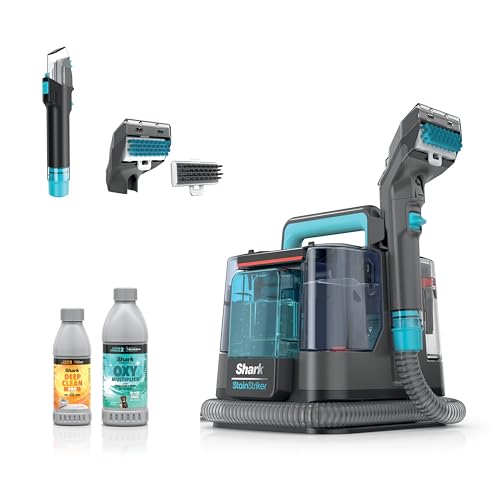 Shark StainStriker Portable Spot & Stain CleanerCompact12.83 x 11.57 x 15 inches8.51 PoundsCheck on Amazon
 Carbona Oxy Powered Upholstery Cleaner with Brush &13.5 Fl Oz (Pack of 1)9.25 x 4.45 x 3.46 inches1.06 PoundsCheck on Amazon
The best way to clean a mattress is to strip the bed, vacuum every surface with an upholstery attachment, spot-treat stains with as little liquid as possible, cover the surface with baking soda for several hours, vacuum again, and let everything dry completely before remaking the bed. That order matters: dry removal of dust and skin flakes comes first, damp treatment is limited to the stained spot, and drying is never skipped, because moisture trapped inside a mattress is what leads to musty smells and mold. Sleep Foundation guidance suggests repeating the routine about every six months, with spills handled immediately.
Cleaning a Mattress at a Glance
| Step | What to do | Why it matters |
|---|---|---|
| 1. Strip and launder | Remove all bedding, the protector and any topper. Wash according to each care label. | Exposes the mattress surface and removes the sweat, skin cells and dust that collect in layers. |
| 2. Vacuum | Use an upholstery or crevice attachment on the top, sides and seams. | Lifts loose debris before any liquid turns it into paste. |
| 3. Spot-treat | Dab a mild cleaner onto a cloth, then blot the stain. Never pour onto the mattress. | Limits moisture that can soak into foam or padding. |
| 4. Baking soda | Cover the dry surface in a thin layer and leave it for several hours. | Absorbs lingering moisture and neutralises mild odors. |
| 5. Vacuum again | Remove all of the powder. | Prevents residue from caking in seams. |
| 6. Dry and air out | Allow full drying in a ventilated room before sheets go back on. | Trapped damp is the main cause of mold and lingering smell. |
Before You Start: Check the Label, the Warranty and a Hidden Spot
Every mattress is built differently, and some warranties are affected by certain cleaning methods. The care label or manufacturer instructions come first. Some foam mattress makers, for example, discourage vacuuming with strong suction or the use of steam, and removing a cover that is marked as non-removable can affect warranty coverage. If the label or the warranty documents are not clear, contacting the manufacturer before using any liquid is a sensible step.

BISSELL Little Green Mini Portable Carpet Cleaner, 4075 | HydroRinse self-cleaning tool; 4-in. tough stain tool; upholstery & car detailing; Tea Green color
Chosen because it specifies 4075.
View on Amazon
FEPPO Mattress Vacuum Cleaner, 16Kpa Bed Vacuum with 253.7nm UV-C Light | 140°F Heat, HEPA Filter, Ultrasonic & Green Dust Reveal Light, Handheld Vacuums for Bed, Couch(Corded, 500W)
Chosen because it specifies 16Kpa Bed Vacuum with 253.7nm UV-C Light and 140°F Heat.
View on AmazonShark StainStriker Portable Spot & Stain Cleaner, 2 Tools, PX221BRN | For Carpet, Upholstery & Rugs, Stain & Odor Remover, Deep Clean Pro & OXY Formulas, Self-Clean, 3.5" Stain & Crevice Tools
Chosen because it specifies 2 Tools and PX221BRN.
View on AmazonCarbona Oxy Powered Upholstery Cleaner with Brush & Sponge, 13.5 Fl Oz | Oxy Powered Stain Remover for Couches, Car Seats & Mattresses, Tough on stains, Neutralizes Odors, No Residue
Chosen because it specifies 13.5 Fl Oz and Oxy Powered Stain Remover for Couches.
View on AmazonBefore applying any cleaner to a stain, test it on a hidden area such as the underside edge or a corner that stays covered by the bed frame. Wait until the test spot dries and look for color change, fabric damage or a stiff texture. Wear gloves for stronger cleaners, keep the room ventilated, and open a window or use a fan while working.
Step-by-Step Mattress Cleaning Routine
1. Strip the bed and wash the bedding
Take off sheets, the mattress protector, pillow covers and any topper. Allergy sources advise washing bedding in hot water when the fabric allows, because heat helps remove dust mites; Mayo Clinic and the American Academy of Allergy, Asthma and Immunology cite about 130°F (54°C), while the American Lung Association gives at least 120°F, so sources vary slightly. Always follow each item’s own care label first, since a protector with a waterproof backing may not tolerate hot water.
2. Vacuum the entire mattress
Use the upholstery attachment and move slowly across the top, then the sides, then along the seams and any tufting where debris collects. Guidance in sleep-care articles is to stretch the fabric gently to reach seams. Flip or rotate the mattress if the manufacturer says it is designed for that, and vacuum the underside as well. The reason for vacuuming first is simple: dust and hair mixed with a damp cleaner become hard to remove.
3. Spot-treat stains with minimal liquid
Dampen a clean white cloth with a small amount of the cleaning solution and dab the stain from the outside edge inward. Blot with a second dry cloth. Do not scrub hard, since scrubbing pushes the stain deeper and can wear the surface fabric. Do not spray large amounts directly onto the mattress. Cold water is generally the safer starting point for stains that are protein-based, such as blood, sweat or urine, because heat can set them.
4. Deodorise with baking soda
Once any damp area is dry, sprinkle a thin, even layer of baking soda over the whole surface. Leave it for several hours; several mattress-care guides suggest starting in the morning with the windows open so it can work through the day. Some sources suggest even longer for strong odors. The powder pulls in moisture and neutralises odors rather than masking them.
5. Vacuum again and let it air out
Vacuum off all of the baking soda with the upholstery attachment. Leave the mattress uncovered for a while in a ventilated room, ideally with a fan. Do not make the bed until the surface feels completely dry to the touch.
What Cleaners Are Safe by Mattress Type
| Mattress type | Moisture tolerance | Generally suitable | Cautions |
|---|---|---|---|
| Memory foam | Very low; foam absorbs liquid and dries slowly | Vacuuming (if warranty allows), baking soda, a cloth barely dampened with mild soap solution | No soaking, no steam, no bleach-containing sprays; use as little liquid as possible |
| Latex | Low | Gentle vacuuming, mild detergent on a damp cloth, baking soda | No soaking, no steam; harsh chemicals can degrade the material |
| Innerspring | Moderate, but coils and padding still hold moisture | Vacuuming, mild detergent spot-cleaning, baking soda | Must dry fully; metal components can rust if kept damp |
| Hybrid | Low to moderate | Treat like foam on top, like innerspring beneath | Follow the stricter of the two sets of cautions |
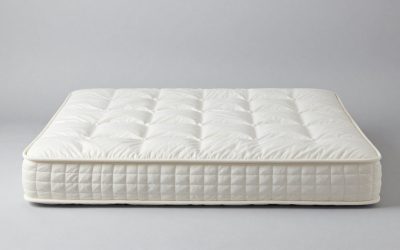
| Pillow-top or tufted | Low | Careful vacuuming into folds | Debris collects in tufts; moisture lingers in padding |
Some cleaning sources suggest diluted white vinegar or hydrogen peroxide (one published guide suggests equal parts cold water and hydrogen peroxide) for certain stains. Peroxide can lighten colored fabric, so these are used separately, only after checking the label and testing a hidden spot, and they are never combined with each other or with other cleaners. Bleach should never be mixed with ammonia, vinegar or any other cleaning product, because the combination can release dangerous fumes. Most mattress guidance advises avoiding bleach on mattresses altogether, since it can damage fabric and foam.
Common Stains and How to Approach Them
| Stain or problem | Likely cause | Approach |
|---|---|---|
| Yellow sweat marks | Perspiration and body oils | Blot with a cloth lightly dampened with mild soap solution, then use baking soda and air dry |
| Blood | Protein | Blot with cold water as soon as possible; heat can set the stain |
| Urine or other bodily fluids | Protein and urea | Blot, then consider an enzyme cleaner used sparingly according to its label |
| General musty smell | Humidity, trapped moisture | Baking soda, airing in a ventilated room; investigate for mold if the smell persists |
| Dust and allergens | Skin flakes, mites | Frequent vacuuming and washing bedding; consider a zippered allergen cover |
How Often to Clean a Mattress
A thorough clean roughly every six months is a common recommendation (for example from the Sleep Foundation), with a lighter vacuuming more often. Sheets and protectors are washed far more frequently. Households with pets, children, allergies, or heavy night sweating may choose to vacuum and air out the mattress more often. Spills and accidents are best handled right away, because a fresh stain is much easier to treat than a set one.
What Not to Do
- Do not soak the mattress. Foam and padding hold water, and trapped dampness encourages mold and mildew.
- Do not pour or spray cleaner directly onto the surface. Apply to a cloth first.
- Do not mix cleaning products. Never combine bleach with ammonia, vinegar or other cleaners.
- Do not use steam on foam or latex unless the manufacturer explicitly permits it.
- Do not make the bed while damp. Covering a damp mattress traps moisture.
- Do not use heavily scented products if anyone in the home has allergies or asthma.
Troubleshooting Table
| Problem | Cause | Fix |
|---|---|---|
| Stain returns after drying | Residue wicked up from deeper layers | Blot again with minimal liquid; consider an enzyme cleaner for organic stains; allow full drying |
| Mattress smells musty after cleaning | Too much moisture left behind | Run a fan, open windows, add more baking soda, and repeat; if black or green spots appear, see the mold note below |
| Fabric feels stiff or discolored | Harsh cleaner or too much soap | Stop; blot with a cloth dampened with plain water; test hidden areas in future |
| Baking soda clumps in seams | Surface was damp | Let dry, then vacuum thoroughly with a crevice tool |
When to Consider Professional Cleaning or Replacement
Professional mattress cleaning services typically use specialized extraction or low-moisture methods and may be worth considering for large stains, strong persistent odors, or after an illness or flood. Check that the service is appropriate for your mattress type and warranty. If you see visible mold growth, such as dark spots across the mattress, or if the mattress has been thoroughly soaked, public health agencies advise caution: mold on a porous item like a mattress can be difficult or impossible to remove completely, and people with asthma, allergies or weakened immune systems should avoid cleaning it themselves. In those cases, a professional assessment or replacement is the safer path. If you suspect bed bugs, which show up as small rusty or dark spots, shed skins or bites, contact a licensed pest professional rather than relying on cleaning alone.
Keeping a Mattress Clean Longer
- Use a washable mattress protector and launder it regularly, following its care label.
- Consider a zippered allergen-proof cover if dust mites are a concern.
- Keep bedroom humidity moderate; EPA guidance gives roughly 30 to 50 percent relative humidity and Mayo Clinic says no higher than 50 percent.
- Let the bed air out for a short period each morning before making it, when practical.
- Rotate the mattress if the manufacturer permits it, to spread wear.
Frequently Asked Questions
Can I use baking soda on every type of mattress?
Baking soda is widely suggested for deodorising memory foam, latex, innerspring and hybrid mattresses because it is dry and gentle. The key is to apply a thin layer on a dry surface and vacuum it up completely afterward. Check the care label or warranty if you are unsure.
How long should baking soda stay on a mattress?
Many mattress-care guides suggest leaving it for at least several hours, and some suggest eight hours or more for stronger odors. Starting in the morning with windows open lets it work through the day before you vacuum it off in the evening.
Is it safe to use a steam cleaner on a mattress?
Steam adds moisture and heat, which can damage foam and latex and leave dampness deep inside. Many sources advise against steam on foam, and only suggest it with caution on innerspring models that can be dried thoroughly. Follow the manufacturer’s instructions.
Can I use bleach to disinfect a mattress?
Mattress-care guidance generally advises against bleach because it can damage fabric and foam and leave harsh residue. Bleach must never be mixed with ammonia, vinegar or other cleaners. If you are concerned about germs after illness, consult the mattress manufacturer or a professional cleaning service.
How do I know if my mattress has mold?
Signs include dark or greenish spots, a persistent musty smell, and symptoms such as coughing or sneezing that worsen in bed. Because mattresses are porous, surface cleaning may not remove growth that has penetrated inside. Someone with asthma or a weakened immune system should not handle it, and a professional or replacement may be needed.
Does a mattress protector make cleaning unnecessary?
A protector reduces spills and sweat reaching the mattress, but dust and skin flakes can still work around the edges. Vacuuming the mattress occasionally and laundering the protector per its care label keeps the sleeping surface cleaner.