
Key takeaways
- To compare the best kettlebell routines, look at how each session is organized rather than how many movements appear on the page. A plan should tell...
What's inside
- Separate practice from a timed challenge
- Use a repeatable deadlift setup
- Add the squat as a distinct task
- Write the pauses into the plan
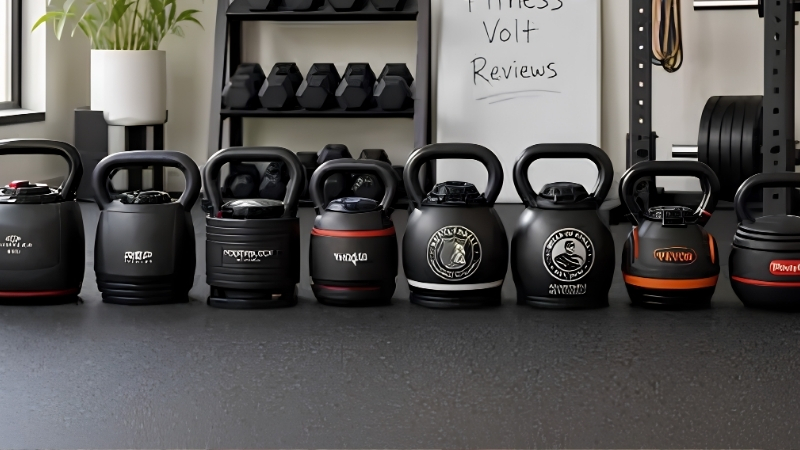
- Product listings to compare
- Choose references that explain transitions
- Make the household setup repeatable
- Decide what to repeat next time
- Additional product links
- Related reading
To compare the best kettlebell routines, look at how each session is organized rather than how many movements appear on the page. A plan should tell you what to prepare, how an exercise begins and ends, and where to rest. At home, those details also determine whether the routine works alongside the furniture and time you have available.
This guide provides practical selection and use considerations. It does not report hands-on product testing.
Separate practice from a timed challenge
If you are still learning a movement, give it a block of its own. You can read the instructions, establish the setup and rest without trying to follow a rapid sequence. A routine built around familiar exercises is a different choice from a challenge that introduces new skills while the clock keeps running.
One practical example is a preparation block, a deadlift block, a separate squat block where suitable, and a short record of the session. This sequence helps organize practice; it does not set a universal workload or replace instruction. Choose movements and loads that match your current ability.
Use a repeatable deadlift setup
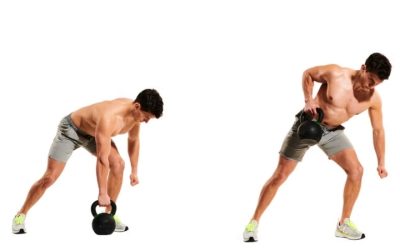
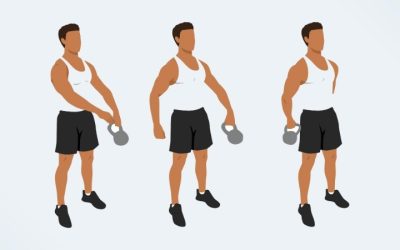
Stand over the bell, fold at the hips and take its handle with both hands. Keep your spine neutral and torso braced. Extend your hips to stand, then lower by hinging again, controlling the bell all the way to the floor.
After putting it down, pause before deciding on another repetition. Do not turn the end of the exercise into an immediate grab for a different object. If reaching the starting position or maintaining control is uncertain, that is a specific question to take to a qualified instructor.
Add the squat as a distinct task
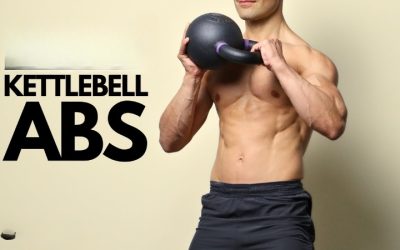
With the bell supported near your chest, brace your torso and bend through hips and knees. Keep your chest up and spine neutral, with knees tracking in line with toes. Lower only as far as control allows, then stand through your feet.
Recheck the load for this position instead of carrying over the deadlift choice automatically. A routine can use different bells, or omit a movement while you learn it. Purchasing a single weight does not create an obligation to use it for every exercise listed in a program.
Write the pauses into the plan
Begin with a warm-up and practice manageable groups of repetitions with rest. Let controlled movement guide the amount of work. More demanding skills belong after the foundation is learned, rather than being added simply to fill a session.
Place a blank line beside each exercise in your notes. Record what you completed and what interrupted the sequence. You may discover that an unclear grip instruction or an awkward screen position needs attention before the routine needs more volume. These are actionable observations rather than a judgment based only on elapsed time.
Product listings to compare
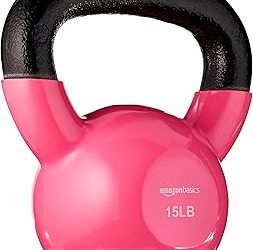
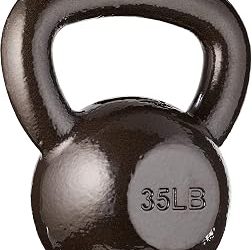
As an Amazon Associate we earn from qualifying purchases at no extra cost to you. Product prices and availability are accurate as of the date shown and are subject to change. Compare the selected variant and its current description with the requirements above.
As an Amazon Associate we earn from qualifying purchases at no extra cost to you. Product prices and availability are accurate as of the date shown and are subject to change.


Choose references that explain transitions
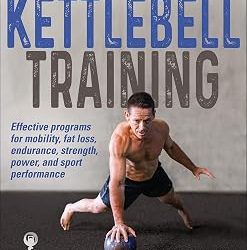
A poster can be a reminder after instruction, while a book or video may offer a fuller explanation. Look for the entire movement and its return to a resting position. A photograph of the midpoint is not enough to explain a new exercise or a transfer between hands.
Keep products separate from programming. Buying a chart does not supply a suitable bell, and owning a bell does not establish that every printed exercise is appropriate. Compare the instructions with your experience before committing to a complete sequence.
Make the household setup repeatable
Choose a clear area with an appropriate surface for the equipment and planned movements. Set the weight down in the designated place between blocks. Keep the route to the room clear so someone else does not need to cross the exercise area to reach a cupboard or doorway.
If you move light furniture before practice, give it a destination that does not block another passage. Arrange the reference material so it is easy to consult during rest. Put a phone or remote somewhere reachable after setting the bell down, without needing to lean over furniture while holding it.
Decide what to repeat next time
Review the exercise setups, rest decisions and equipment choices together. Repeat a familiar sequence while the details become consistent. If an exercise needs coaching, resolve that question rather than hiding it inside a larger circuit. There is no need to make every session look different to make the planning useful.
Finish by returning the bell to suitable storage and keeping your notes with the routine. The next session then starts from a clear record and a known arrangement. That is a practical basis for home training, without promises about weight loss or an assumption that the longest routine is the best one.
Additional product links
- Start 30-Day Prime Free Trial →
- See Today’s Amazon Deals
- ▸ Try Amazon Prime — free 30-day trial
- ▸ Start an Audible Premium Plus free trial
- ▸ Read free with Kindle Unlimited
Related reading
- Best kettlebell routines
- Chris Parker
- Best Kettlebell Weight for Men: How to Pick the Right Size
- Best Kettlebell Ab Exercises: 6 Adjustable and Fixed Picks
- Best Kettlebell Core Exercises: 6 Picks for Floor Space
- Best Kettlebell Exercise for Abs: 5 Bells for Long Holds
- Best Kettlebell Ab Workout: 6 Bells Sized for Circuit Work
- Best home pull-up bar
- Best at home pull up bar
- Best in house pull up bar
- Best rated ab roller
- Best kettlebell routine
- Best Workout Kettlebell: 6 Bells Matched to Your Training
- Best Kettlebell Training: 6 Bells to Build a Progression
Write Your Review
No reviews yet. Be the first to share your experience!