
Key takeaways
- Before assembling a kettlebell ab workout, decide which task you want the trunk to control. A suitcase carry, a goblet squat and a bodyweight bird dog...
What's inside
- Choose a carry when the walking task is appropriate
- Choose the squat for a different combined task
- Consider an unloaded alternative before adding equipment
- Product listings to compare
- Use three questions to separate the options
- Avoid making the bell the organizing principle
- Buy only after the exercise requirement is clear
- Keep the decision open to review
- Additional product links
- Related reading
Before assembling a kettlebell ab workout, decide which task you want the trunk to control. A suitcase carry, a goblet squat and a bodyweight bird dog create different movement and space requirements. They should be compared by purpose and readiness rather than combined automatically because they all appear in a core exercise search.
This guide provides practical selection and use considerations. It does not report hands-on product testing.
The appropriate selection belongs to an individual plan. This comparison explains useful distinctions and includes references for the two kettlebell movements. It does not require all three exercises in one session or prescribe a universal amount of work.
Choose a carry when the walking task is appropriate
A suitcase carry asks the trunk to remain controlled while the load is held on one side and the person moves. That makes a suitable route part of the requirement. A small clear corner does not provide the same arrangement as an unobstructed walking path.
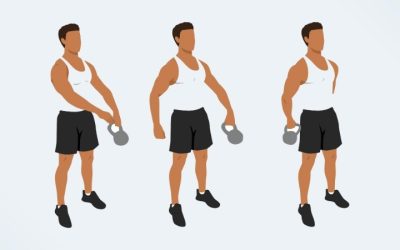
Use a proper deadlift to raise the bell, then carry it in one hand beside you. Keep the trunk braced and upright while walking, minimizing sway and weight swing. Lower deliberately before switching sides. Select the load and route to preserve that control rather than chase distance.
If the route cannot be provided or the pickup is unfamiliar, do not force this choice into the workout. Resolve the instruction or space question first. The fact that a bell is available does not make loaded walking the necessary option.
Choose the squat for a different combined task
A goblet squat involves lower-body movement while the trunk supports a front-held load. It is not an abdominal isolation exercise. Consider it when that combined role belongs in the plan, rather than as an interchangeable version of a carry.
With the bell supported at the chest, brace and lower through the hips and knees. Keep a neutral spine, knees following toes and depth within your control. Push through the feet to return upright. Choose resistance for this position rather than copying the carry load.
The stationary arrangement may fit a room differently, but loading and technique still need their own assessment. Do not select the squat simply because the carry route is blocked if the movement itself is not appropriate or understood.
Consider an unloaded alternative before adding equipment
The bodyweight bird dog is another trunk-control task described in NASM’s exercise guidance. It coordinates opposite arm and leg movement while maintaining control of the trunk. Learn the appropriate version with instruction rather than attaching a kettlebell to a familiar bodyweight movement without a specific reason.
This option changes the purchasing question: a core practice need not always require another weight. It also changes the room requirement toward an appropriate floor area. A decision to practise without external load can be deliberate, not a failure to complete the equipment collection.
Product listings to compare
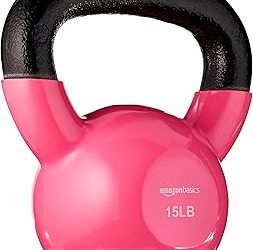
As an Amazon Associate we earn from qualifying purchases at no extra cost to you. Product prices and availability are accurate as of the date shown and are subject to change. Compare the selected variant and its current description with the requirements above.
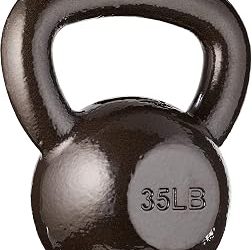
As an Amazon Associate we earn from qualifying purchases at no extra cost to you. Product prices and availability are accurate as of the date shown and are subject to change.


Use three questions to separate the options
First, which movement have you learned well enough to include? Second, what load or equipment is appropriate for that task? Third, does the room support the whole beginning, action and finish? If an answer is unresolved, retain the question rather than silently substituting another exercise.
These questions may produce different answers for different people. They are not a ranking that makes one option best for everybody. Qualified guidance can help connect exercise selection to the individual’s wider routine.
Avoid making the bell the organizing principle
A workout chart may group many exercises by the equipment they use. That does not establish that they belong together in one person’s session. Keep the purpose of each choice visible before considering order, repetitions or progression.
If only one suitable movement remains, there is no need to add an unfamiliar exercise to lengthen the session. Discuss the broader plan with an instructor. A coherent choice is more useful than filling time with movements connected only by the same handle.
Buy only after the exercise requirement is clear
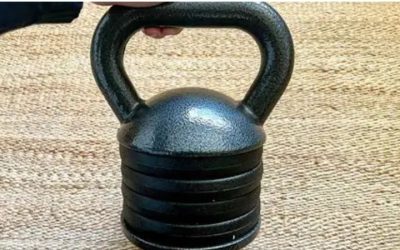
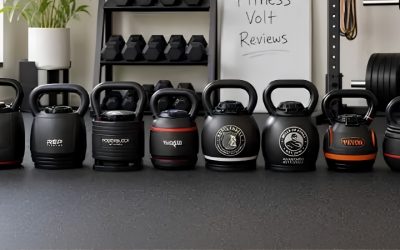
For either kettlebell option, compare the actual selected load, handle arrangement and permitted uses. Adjustable equipment needs an understood setting and securing process. A wide advertised range does not make every configuration appropriate for every exercise.
For the unloaded alternative, do not add accessories by default. Establish the suitable practice arrangement first. Keep product instructions and coaching guidance in their proper roles so shopping does not take over a movement-selection question.
Keep the decision open to review
Record why the exercise was selected and what remains to be learned. Changes should respond to that information rather than a wish to make the next workout look more advanced. Core training can involve different tasks without every session needing every possible variation.
The best choice is an appropriate movement with a clear purpose, understood execution and workable setting. A kettlebell is one tool within that decision, not a guarantee of visible abs or a requirement to load every exercise in the routine.
Additional product links
- Start 30-Day Prime Free Trial →
- See Today’s Amazon Deals
- ▸ Try Amazon Prime — free 30-day trial
- ▸ Start an Audible Premium Plus free trial
- ▸ Read free with Kindle Unlimited
Related reading
- Best kettlebell ab workout
- Chris Parker
- Best Kettlebell Weight for Men: How to Pick the Right Size
- Best Kettlebell Ab Exercises: 6 Adjustable and Fixed Picks
- Best Kettlebell Core Exercises: 6 Picks for Floor Space
- Best Kettlebell Exercise for Abs: 5 Bells for Long Holds
- Best Kettlebell Weight: How to Size It Plus 6 Top Picks
- Best beginner jump rope
- Best boxing jump rope
- Best boxer jump rope
- Best cheapest yoga mat
- Best workout exercise equipment
- Best Workout Kettlebell: 6 Bells Matched to Your Training
- Best Leg Workout With Dumbbells: Gear That Makes It Work
- Best Kettlebell Routines: 6 Bells Matched to Each Format
Write Your Review
No reviews yet. Be the first to share your experience!