
Key takeaways
- The suitcase carry is a kettlebell exercise for trunk control that should be checked from pickup to return, not only during the straight walking...
What's inside
- Checkpoint one: know the full reference movement
- Checkpoint two: inspect the stopping place
- Checkpoint three: rehearse the route without the load
- Checkpoint four: distinguish a carry from another hold
- Product listings to compare
- Checkpoint five: stop before reorganizing
- Checkpoint six: record where the sequence becomes unclear
- Use the checkpoints to decide whether to continue
- Additional product links
- Related reading
The suitcase carry is a kettlebell exercise for trunk control that should be checked from pickup to return, not only during the straight walking section. The starting place, stopping point and change of side all matter to the arrangement. Plan those checkpoints before deciding that a room is suitable for the exercise.
This guide provides practical selection and use considerations. It does not report hands-on product testing.
This guide examines the one-sided carry as a specific task. It is not a universal best exercise for abs or a personal prescription for load and distance. Learn the movement with suitable instruction and keep the entire sequence within an appropriate plan.
Checkpoint one: know the full reference movement
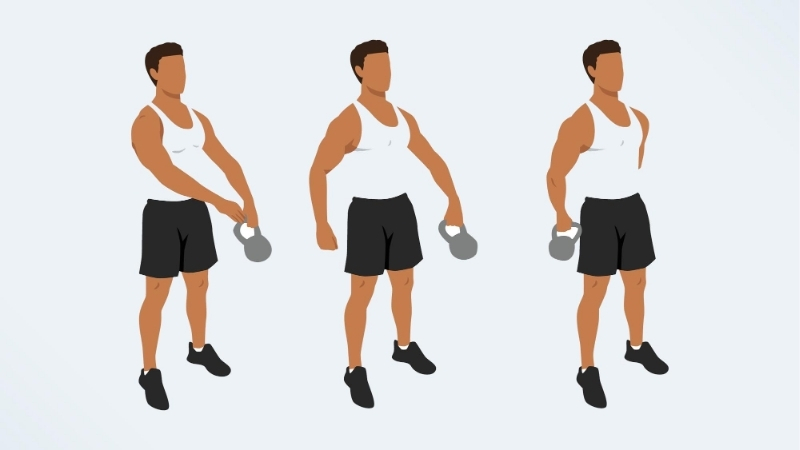
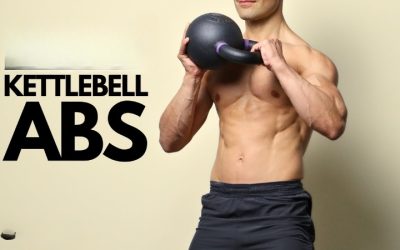
Lift with sound deadlift technique, then hold the bell beside you in one hand. Brace and walk without leaning or allowing excessive swing. Lower the weight deliberately before switching sides. Choose a suitable load and path so control remains the priority from pickup to return.
Keep that description available before starting. If the pickup technique is unfamiliar, ask an instructor to teach it rather than treating the carry as permission to improvise a lift. The walking segment does not make the beginning and ending optional.
Checkpoint two: inspect the stopping place
Identify where the equipment will be returned before choosing the route. The endpoint needs an appropriate set-down arrangement, not merely enough room to turn around. A passage that ends at a closed door may not provide the useful finish you expected.
Do not plan to park the bell temporarily on ordinary furniture. A side table or decorative shelf is not automatically suitable for weights. Follow the equipment’s handling requirements and keep the stopping area free of objects that would require a last-minute reach.
Checkpoint three: rehearse the route without the load
Walk through the household arrangement first. Check doors, drawers and furnishings in their normal positions. An empty-looking path may change when someone opens storage or uses an adjacent room. Keep ordinary traffic separate from the exercise.
Remove a route from consideration if it depends on weaving around obstacles or a tight turn beside furniture. Do not make the task more complicated merely to fit the space. Seek an appropriate alternative where a suitable path cannot be provided.
Checkpoint four: distinguish a carry from another hold
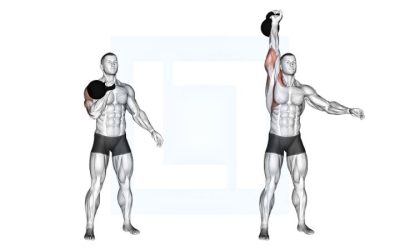
This description concerns a weight at one side. A front-rack, overhead or two-weight carry is a different arrangement with its own instruction and loading questions. Do not change the hold during the walk because the bell becomes inconvenient or the route narrows.
If another hold belongs in your plan, learn and assess it separately. The fact that the same kettlebell can be held in several positions does not make those positions interchangeable during an unfamiliar exercise.
Product listings to compare
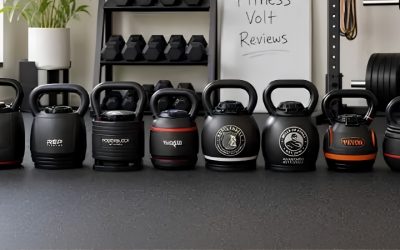
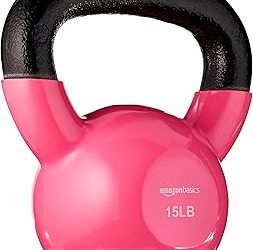
As an Amazon Associate we earn from qualifying purchases at no extra cost to you. Product prices and availability are accurate as of the date shown and are subject to change. Compare the selected variant and its current description with the requirements above.
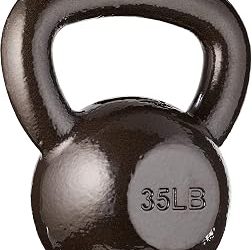
As an Amazon Associate we earn from qualifying purchases at no extra cost to you. Product prices and availability are accurate as of the date shown and are subject to change.


Checkpoint five: stop before reorganizing
At the planned finish, return the equipment under the technique you have learned. Reorganize the direction and the next side while the weight is down. This keeps a change of route separate from the loaded walking task instead of introducing an improvised transfer.
There is no need to pass the bell across the body while moving to keep a timer running. If the available space makes the planned sequence awkward, revise the arrangement with guidance rather than treating the awkwardness as another exercise challenge.
Checkpoint six: record where the sequence becomes unclear
After the equipment is down, note the point that needs attention. Was the starting position uncertain, was the route interrupted, or did the chosen hold need instruction? A specific observation is more useful than deciding that the entire exercise was simply too easy or too hard.
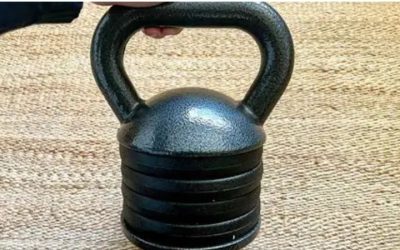
Keep equipment facts with the record: exact bell, selected weight and unit. For adjustable equipment, follow its setting and securing procedure before another attempt. Do not change the configuration while reorganizing the route or body position.
Use the checkpoints to decide whether to continue
Review unresolved questions before increasing load or distance. More work is not the only next step. Appropriate coaching or a different room arrangement may be needed, and an alternative exercise may fit better where the carry cannot be organized properly.
The purpose is an understood one-sided carry with a deliberate beginning, controlled movement and suitable return. Its value does not depend on a promise about visible abs. Treat the whole sequence as the exercise, with the home supporting each checkpoint rather than forcing adjustments around the furniture.
Additional product links
- Start 30-Day Prime Free Trial →
- See Today’s Amazon Deals
- ▸ Try Amazon Prime — free 30-day trial
- ▸ Start an Audible Premium Plus free trial
- ▸ Read free with Kindle Unlimited
Related reading
- Best kettlebell exercise for abs
- Chris Parker
- Best Kettlebell Weight for Men: How to Pick the Right Size
- Best Kettlebell Ab Exercises: 6 Adjustable and Fixed Picks
- Best Kettlebell Core Exercises: 6 Picks for Floor Space
- Best Kettlebell Ab Workout: 6 Bells Sized for Circuit Work
- Best Kettlebell Weight: How to Size It Plus 6 Top Picks
- Best beginner jump rope
- Best boxing jump rope
- Best boxer jump rope
- Best cheapest yoga mat
- Best workout exercise equipment
- Best Abs Exercise with Dumbbells: 6 Picks by Coating Type
- Best Kettlebell Routines: 6 Bells Matched to Each Format
- Best Kettlebell Training: 6 Bells to Build a Progression
Write Your Review
No reviews yet. Be the first to share your experience!