
Key takeaways
- The best kettlebell core exercises depend on what you can control before adding the weight. For someone choosing a first loaded core movement, a useful...
What's inside
- Start with the position you can already organize
- Decide whether the issue is technique or equipment
- Consider a stationary kettlebell task
- Product listings to compare
- Choose what belongs in the next practice
- Choose a bell only when its role is clear
- Keep floor practice and weight handling distinct
- Let the decision remain reversible
- Additional product links
- Related reading
The best kettlebell core exercises depend on what you can control before adding the weight. For someone choosing a first loaded core movement, a useful decision is whether to keep practicing without equipment, introduce a front-held squat or ask for coaching before progressing. Owning a bell does not make every advanced exercise the next step.
This guide provides practical selection and use considerations. It does not report hands-on product testing.
Start with the position you can already organize
Choose a core exercise you have learned without external load. The aim here is to understand its starting position and controlled movement, not to turn it into a test that certifies readiness for every kettlebell activity. A qualified instructor can assess the next step for your circumstances.
One unloaded example is the quadruped exercise. Begin on hands and knees, brace the abdomen and keep the back neutral. Raise one arm and the opposite leg without changing that alignment, then return and repeat on the other side.
This remains a bodyweight exercise in this example. Do not balance on a kettlebell handle or hang a weight from a limb to make it more difficult. Learning a different loaded variation requires its own instruction and appropriate equipment.
Decide whether the issue is technique or equipment
If the starting position is unclear, buying a different bell does not answer that question. If the movement is understood but your chosen weight does not suit the next instructed task, equipment selection becomes relevant. Keep those two problems separate in the session notes.
Write what needs attention in concrete terms. Perhaps you need a demonstration of the front hold, or you need to compare a manageable weight for that position. Avoid judging progress only by whether another accessory has been added to the room.
Consider a stationary kettlebell task
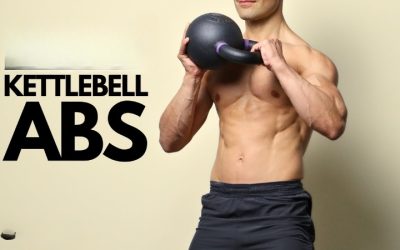
For a goblet squat, support the bell close to the chest with both hands. Brace, bend through hips and knees with an upright neutral torso, then stand. Keep knees tracking with toes and use a controlled range throughout.
The trunk supports the front-held load while the legs perform the squat. This is a combined movement, not an abdominal isolation exercise. Learn the grip and return to rest before treating repeated squats as a routine to complete.
Assess the load for this exercise specifically. A bell used successfully in another position does not automatically fit the front hold. If the appropriate weight is unavailable, keep that task out of the session rather than substituting a heavier one because it is already in the cupboard.
Product listings to compare
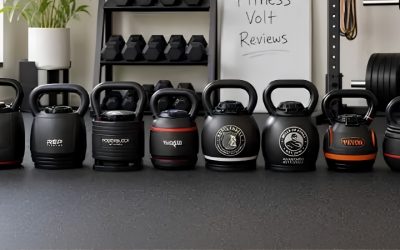
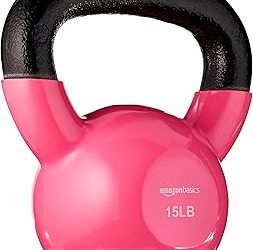
As an Amazon Associate we earn from qualifying purchases at no extra cost to you. Product prices and availability are accurate as of the date shown and are subject to change. Compare the selected variant and its current description with the requirements above.
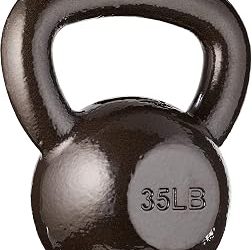
As an Amazon Associate we earn from qualifying purchases at no extra cost to you. Product prices and availability are accurate as of the date shown and are subject to change.


Choose what belongs in the next practice
You have three reasonable planning options: repeat the understood unloaded work, practice the suitable loaded movement with guidance, or pause that movement while an unresolved question is answered. This is a decision framework, not a requirement to progress through all three in one session.
Do not add a timed circuit to conceal uncertainty about technique. Give the selected exercise its own block, with the equipment put down before reviewing what happened. A brief record should describe the movement and load actually used and what you want clarified next.
Choose a bell only when its role is clear
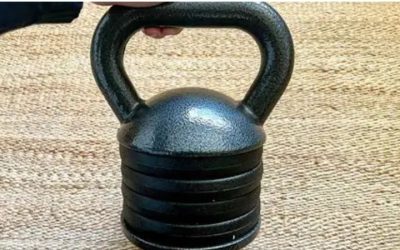
Compare the handle and body with the hold you intend. With adjustable equipment, understand the setting and securing procedure. A wide advertised range is less useful than a product that can be used appropriately for the task already identified.
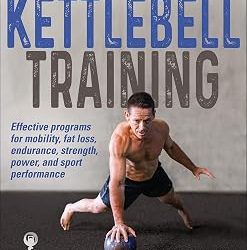
Separate instructional resources from equipment. A chart can remind you of a learned movement, but it cannot observe your alignment or provide the load. A book of advanced exercises should not turn the purchase into an obligation to attempt all of them.
Keep floor practice and weight handling distinct
Use an appropriate clear surface for the unloaded exercise, with furniture outside the movement area. Give the kettlebell a separate suitable resting place before getting down to the floor. Do not leave it beside the position where a hand or knee will move.
For the stationary loaded task, clear its full working area and the approach to storage. Ordinary decorative furniture should not become weight storage without appropriate suitability. Keep reference material where it can be read after returning the bell to rest.
Let the decision remain reversible
Warm up, learn mechanics before adding resistance and stop if a movement is painful. Seek appropriate help when technique or health circumstances make the choice uncertain. Returning to an understood exercise is a valid planning decision, not evidence that the equipment purchase needs to be justified.
A useful home core practice can therefore remain small and deliberate. Choose the exercise first, clarify its execution and buy only the equipment it calls for. The room then supports a known task instead of becoming a collection of tools whose purpose has not been settled.
Additional product links
- Start 30-Day Prime Free Trial →
- See Today’s Amazon Deals
- ▸ Try Amazon Prime — free 30-day trial
- ▸ Start an Audible Premium Plus free trial
- ▸ Read free with Kindle Unlimited
Related reading
- Best kettlebell core exercises
- Chris Parker
- Best Kettlebell Weight for Men: How to Pick the Right Size
- Best Kettlebell Ab Exercises: 6 Adjustable and Fixed Picks
- Best Kettlebell Exercise for Abs: 5 Bells for Long Holds
- Best Kettlebell Ab Workout: 6 Bells Sized for Circuit Work
- Best Kettlebell Weight: How to Size It Plus 6 Top Picks
- Best beginner jump rope
- Best boxing jump rope
- Best boxer jump rope
- Best cheapest yoga mat
- Best workout exercise equipment
- Best Gym Mat for Home: Rubber vs Foam Picks for Any Floor
- Best Ab Exercise with Dumbbells: 6 Floor-Friendly Picks
- Best Budget Yoga Mat: 6 Picks by Practice and Floor Type
Write Your Review
No reviews yet. Be the first to share your experience!