Key takeaways
- The ryobi 2000 psi pressure washer is the RY142022, a medium-duty electric unit, and the real question is how it differs from the 1800 PSI model many owners already know. This guide compares the two classes on the same conditions…
The ryobi 2000 psi pressure washer is the RY142022, a medium-duty electric unit, and the real question is how it differs from the 1800 PSI model many owners already know. This guide compares the two classes on the same conditions — both run 1.2 GPM — plus reach, transport and the nozzles each includes.
As an Amazon Associate we earn from qualifying purchases.
By KK Home Furnishings Editorial Team
How to Choose a 2000 PSI Electric Pressure Washer
A 2000 PSI electric washer sits a notch above the common 1800 PSI class for medium-duty home cleaning, but the two share more than they differ. Flow, reach and included nozzles matter as much as the pressure step. Four things decide the buy: same-condition pressure and flow, the 1800-versus-2000 difference, reach and transport, and included accessories.
Compare Pressure and Flow on the Same Basis
The RY142022 is rated 2000 PSI at 1.2 GPM, driven by a 13-amp electric motor — the same flow and motor current as the 1800 PSI model, with more pressure. Since both deliver 1.2 GPM, flow is identical, so the only spec that steps up is pressure. Compare the two on that single difference, not a stack of numbers.
Multiplying pressure by flow gives a rough cleaning-units figure: 2000 by 1.2 is 2400 against 1800 by 1.2 at 2160, about 11 percent higher on paper. But that does not mean 11 percent faster cleaning, since flow — which sets rinse speed — is unchanged. The pressure step adds a little bite on stubborn grime, not a speed jump.
So the 2000’s advantage over the 1800 is modest and specific: slightly more pressure for caked-on dirt, with the same flow and the same light-to-medium duty. Neither is a driveway or paint-prep machine at 1.2 GPM. Choose the 2000 if you want the extra pressure headroom, not expecting it to clean dramatically faster than the 1800.
The 1800-Versus-2000 Difference, in Perspective
For owners weighing the step up, the practical gap is small. Both are electric, both pull 13 amps, both flow 1.2 GPM; the 2000 simply applies more pressure. That suits slightly tougher grime — mildew, caked patio dirt — but the shared flow means rinsing large areas takes the same time on either, so the upgrade is about bite, not speed.
Decide by your surfaces. If your jobs are cars, furniture and light siding, the 1800 class is plenty; if you regularly face tougher grime and want headroom, the 2000’s extra pressure helps. For most homeowners the difference is marginal, so weigh it against price and the included accessories rather than treating it as a big capability jump.
The step up also brings more care with the nozzle, since more pressure marks soft surfaces faster. Use a wider tip on delicate materials either way. Treat the 2000 as the 1800 with a little more pressure in reserve, not a different class of machine, and buy it for the headroom if your jobs lean toward the tougher end.
Reach and Transport
With the hydraulic numbers close, reach and portability matter more. As an electric unit, the RY142022’s working radius is set by its hose and power cord together, so plan the job near a grounded outlet. A light electric washer is easy to carry closer, which often matters more than hose length for covering a yard or driveway.
Match the reach to your space. Extend the hose for more distance from the machine, but keep the power cord plugged straight into the wall rather than a thin extension that drops voltage and starves the motor. For a two-story wall or a far corner, moving the light machine beats stretching a bad cord, which hurts performance.
Transport and storage favor electric washers, which are lighter and more compact than gas, so the 2000 stores in a small garage or closet. Store it drained and out of freezing damp to protect the pump. Favor standard hose fittings and available parts, since the hose and couplers are the first consumables on any electric washer.
Included Accessories and Safety
Accessories can matter more than the pressure step. The RY142022 includes 15-degree, Turbo and Soap nozzles, covering tough cleaning, detergent application and a narrow high-impact spray. A surface-cleaner attachment, sometimes offered as a bundle, speeds flat work far more than the small pressure gain over the 1800 does on its own.
Match the nozzles to your jobs and use the Turbo tip with care, since its concentrated spray can mark soft surfaces and skin — start wide and at a distance. As an electric washer, plug it into a grounded outlet, keep connections out of puddles, and never bypass a safety plug. Even at 2000 PSI the stream can injure, so technique matters.
Weigh a bundle with a surface cleaner against the washer alone: the attachment costs more but saves real time on driveways and patios, more than the pressure step would. Confirm what each option includes and the current price. Favor a configuration whose nozzles and attachments suit your actual jobs over the one with the highest PSI.
RYOBI 2000 PSI and Alternatives
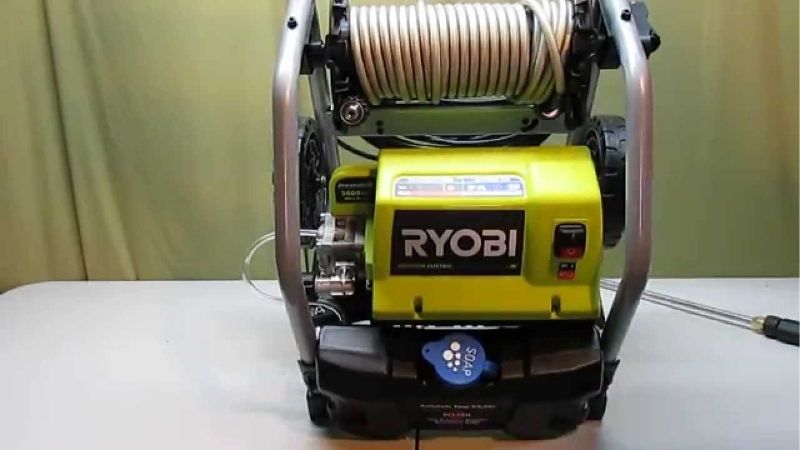
The RY142022 is the model behind the search, so here is its picture and how it compares to the 1800 class and same-class alternatives. Because flow is shared across this electric tier, the rows below show what to match rather than invented rival numbers. It leans on manufacturer-stated specs and a tier — confirm the price.
| Product | Best For | Key Spec | Watch Out For |
|---|---|---|---|
| RYOBI RY142022 | Best for the RYOBI 2000 PSI search | 2000 PSI / 1.2 GPM; 13A | Medium-duty; not fast on driveways |
| RYOBI RY141802 (1800) | Best if you want to spend less | 1800 PSI / 1.2 GPM | Same flow; a little less pressure |
| Any 2000 PSI electric | Match on flow (GPM) | ~1.2 GPM class | Higher PSI is not faster cleaning |
| Match nozzles and reach | Get the right accessories | 15°/Turbo/Soap; hose + cord | Confirm what a bundle adds |
RYOBI RY142022: What the 2000 PSI Model Delivers
The RY142022 is a medium-duty electric washer rated 2000 PSI at 1.2 GPM, with a 13-amp motor and 15-degree, Turbo and Soap nozzles included. It reads mid tier; prices move, and a bundle with a surface cleaner costs more than the washer alone, so confirm the current price and which configuration you are buying before ordering.
It suits homeowners who want a step above the 1800 class for slightly tougher grime, with the convenience of electric power. The included nozzles cover detergent and high-impact cleaning, and the light body is easy to carry and store. Plan the job near a grounded outlet, since the cord reach sets where it can work.
Its limits are the shared 1.2 GPM flow and light-to-medium duty: big driveways and heavy mildew are slow, and electric motors are not for all-day commercial runs. Use the Turbo nozzle carefully on soft surfaces. Keep the cord grounded, store it drained out of freezing damp, and confirm RYOBI stocks the hose and seals.
RYOBI RY141802 (1800 PSI): Best if You Want to Spend Less
The step-below RY141802 runs 1800 PSI at the same 1.2 GPM, covered in its own guide, and is the value choice if the extra pressure is not needed. It reads budget tier; verify the current price. For cars, furniture and light cleaning it matches the 2000 on flow, so the only thing you give up is a little pressure headroom.
Choose it when your jobs are lighter and budget matters, since at the same 1.2 GPM it rinses just as fast as the 2000. The 2000’s extra pressure helps only on tougher grime, so for everyday cleaning the 1800 is often the smarter spend. Weigh the small pressure gain against the price difference for your actual tasks first.
As an electric washer it shares the 2000’s care: a grounded outlet, hose for reach not a thin extension, draining before winter. Confirm its included nozzles, which may differ from the 2000’s set. For most light home cleaning the 1800 is enough, and stepping up to the 2000 is worth it only for the pressure headroom.
Matching Flow in a 2000 PSI Alternative
If you compare another 2000 PSI electric washer, match it on flow first, since flow sets rinse speed and this class clusters near 1.2 GPM. A rival at similar pressure but lower flow will rinse slower; one with higher flow may clean larger areas faster. Compare the flow at a comparable standard rather than just the pressure number.
Do not assume a higher PSI alternative cleans faster, since at equal flow the pressure difference mainly adds bite, not speed. Treat any rival’s numbers as manufacturer-stated until confirmed, and compare like conditions. For most light-to-medium home jobs, the small flow and pressure differences across this class matter less than reach and accessories.
The honest comparison is flow at a comparable standard, plus the duty and build, against the jobs you have. A 2000 PSI electric is still a homeowner tool, not a commercial one, whatever the brand. Judge an alternative on real flow, its included nozzles and its serviceability, not on a pressure figure that may be measured differently.
Matching Nozzles, Reach and Accessories
Accessories often decide value more than pressure. The RY142022 includes 15-degree, Turbo and Soap nozzles; an alternative should offer a comparable set, since the right tips matter more than a small PSI difference. A surface-cleaner attachment, bundled or added, speeds flat work far more than the pressure step over the 1800.
Match the reach too: the hose length plus the power cord set the working radius, so compare those against your space. Prefer standard fittings you can extend and a cord you plug straight into the wall. For an alternative, weigh its nozzle set, hose and cord against the RY142022’s rather than reading the pressure number alone.
Confirm what any bundle actually adds and the current price, since a surface cleaner is the accessory that most improves real cleaning speed. Favor the configuration whose nozzles and attachments suit your jobs, and whose maker stocks wear parts. The accessories and reach, not the 11-percent pressure figure, are where the practical difference lies.
Frequently Asked Questions
Buyers weighing the RYOBI 2000 PSI ask the same things: whether it cleans faster than the 1800, what it can handle, whether to get the bundle, and whether it needs a special outlet. The answers below use the shared 1.2 GPM flow and the verified pressure figures rather than the headline PSI alone.
Does 2000 PSI Clean Faster Than 1800?
Not really. The 2000 and 1800 share the same 1.2 GPM flow, and rinse speed depends mostly on flow, so cleaning speed is similar. The combined pressure-and-flow figure is about 11 percent higher on paper, but with flow unchanged that is extra bite on stubborn grime, not an 11-percent speed gain across the board.
Where the 2000 helps is tougher spots — caked dirt, mildew — that respond to more pressure, while large flat areas rinse at the same rate on either. So the upgrade is about handling harder grime, not finishing faster. Choose the 2000 for the pressure headroom if your jobs lean tough, and the 1800 if they are mostly light.
If you want genuinely faster cleaning, that comes from higher flow or a surface-cleaner attachment, not a pressure bump within the same flow. A surface cleaner on either model speeds flat work far more than the step from 1800 to 2000 does. Spend on the accessory and the right nozzle before paying for the small pressure difference.
What Can the RYOBI 2000 PSI Clean?
Light to medium home cleaning. At 2000 PSI and 1.2 GPM it handles cars, patio furniture, bikes, grills, fences and light-to-moderate siding grime, with a little more bite than the 1800 on stubborn spots. Heavy driveway cleaning and paint prep are still slow, since the 1.2 GPM flow rinses gently whatever the pressure.
Use the right nozzle for each surface: the Soap tip for detergent, a wider tip on delicate materials, and the Turbo tip only where its concentrated spray is safe, since it marks soft surfaces and skin. Start wide and at a distance, testing a hidden spot. The 2000’s extra pressure demands the same care as any washer at the nozzle.
For anything heavier than medium-duty cleaning, a higher-flow or gas machine is the right tool, not more pressure from this unit. Match the washer to your dirtiest regular surface, and use the 2000 for the frequent light-to-medium jobs it does well, since forcing it onto heavy driveway grime just means slow, repeated passes.
Should I Get the Bundle With a Surface Cleaner?
Often yes, if you clean flat areas. A surface-cleaner attachment speeds driveways, patios and decks far more than the pressure step over the 1800, since it spreads the spray over a wide path. The bundle costs more than the washer alone, so weigh that against how much flat cleaning you do before choosing it.
If your jobs are mostly cars, furniture and vertical surfaces, the standalone washer with its included nozzles may be all you need, and you can add a surface cleaner later. Confirm what each option includes and the current price. The attachment is the upgrade that most improves real cleaning time, more than any pressure difference.
Either way, the included 15-degree, Turbo and Soap nozzles cover the core tasks, so the bundle question is really about flat-surface speed. Buy the configuration that matches your jobs rather than the one with the most accessories, since an attachment you will not use adds cost without value for a mostly-vertical cleaning routine.
Does It Need a Special Outlet?
A standard grounded 120-volt household outlet is enough, ideally with GFCI protection for wet use, since the motor draws 13 amps. Plug the cord straight into the wall rather than a thin extension cord, which drops voltage and can trip the breaker. These electric washers need no special wiring, just a sound grounded outlet near the job.
For more reach, extend the hose, not the power cord, since a long thin extension starves the motor. If the outlet is far, carry the light machine closer and run more hose. Keep plugs out of puddles and never bypass a safety plug, so the electrical side stays simple and safe for a home electric washer at this draw.
If the breaker trips, move to a less-loaded circuit rather than forcing it, since at 13 amps the washer is a heavy single load best not shared with other big draws. A normal household circuit handles it, but like any wet-use tool it belongs on GFCI protection, which most garages and outdoor outlets already provide for safety.
Final Thoughts
The ryobi 2000 psi pressure washer, the RY142022, is a medium-duty electric step above the 1800 class, but the two share 1.2 GPM, so the extra pressure adds bite on tough grime, not an 11-percent speed gain. Choose the 2000 for pressure headroom and its nozzles, the 1800 to spend less, and a surface-cleaner bundle for flat work.