Key takeaways
- A black and decker pressure washer comes in a tidy electric line — 1600, 1850 and 2000 PSI — that all share the same 1.2 GPM flow, so they differ mainly in pressure and hose length. This guide compares the…
A black and decker pressure washer comes in a tidy electric line — 1600, 1850 and 2000 PSI — that all share the same 1.2 GPM flow, so they differ mainly in pressure and hose length. This guide compares the three classes on the same-condition numbers and reach, and shows why the top two are closer than they look.
As an Amazon Associate we earn from qualifying purchases.
By KK Home Furnishings Editorial Team
How to Choose a BLACK+DECKER Pressure Washer
These are light-duty electric washers for cars, patios, furniture and light siding, not driveways or paint prep. Since all three share 1.2 GPM, the real differences are pressure class, hose reach and how each is measured. Four things decide the buy: same-condition pressure and flow, hose and reach, the class for your jobs, and safe use.
Compare Same-Condition Pressure and Flow
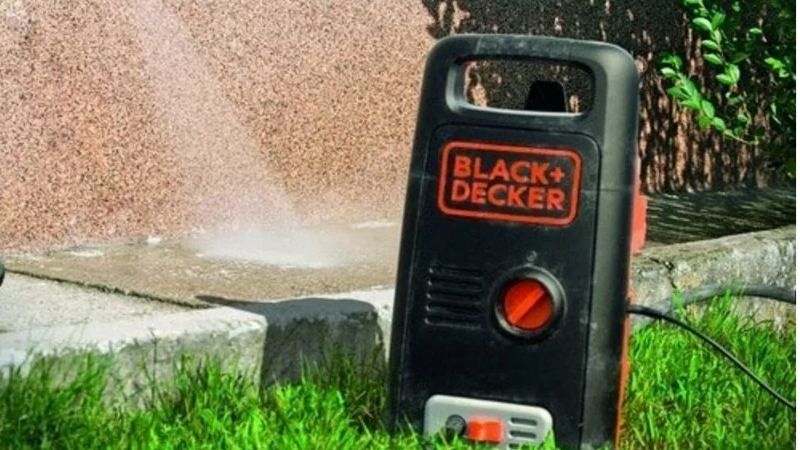
All three BLACK+DECKER models share a 1.2 GPM flow, so flow is not a differentiator — pressure is. The BEPW1600 is rated 1600 PSI, the BEPW1850 at 1850, and the BEPW2000 at 2000, the last stated at a specific nozzle condition on its page. Compare like conditions, since a figure measured at one nozzle setting is not a free upgrade.
With flow equal, the pressure sets how much bite each has, but the steps are modest. From 1850 to 2000 PSI the combined pressure-and-flow figure rises only about eight percent, which does not translate to a meaningful cleaning-speed advantage in practice. Treat the top two as close, and choose on reach and class rather than that gap.
Chasing the highest PSI here buys little, since all three are light-duty and share the same flow. More pressure on a car or soft wood can mark it, so technique and the right tip matter more than the last 150 PSI. Pick the class that suits your surfaces, then control the nozzle, rather than paying for a small pressure step.
Hose Length and Reach
Reach differs more usefully than pressure across the line. The BEPW1600 includes a 20-foot hose, while the BEPW1850 and BEPW2000 step up to 25 feet, which meaningfully changes how far you work from the outlet before moving the machine. Combined with the power cord, the hose sets your real working radius on a job.
Plan the reach for your space. A 25-foot hose plus the cord covers a car, patio and light siding comfortably; the 20-foot BEPW1600 suits tighter areas. As electric washers, plug the cord straight into a grounded outlet and extend reach with hose, not a thin extension cord that drops voltage and starves the motor over distance.
Hoses and couplers are the consumables, cracking at the ends over time, so standard fittings are cheaper to replace. The extra five feet on the 1850 and 2000 is a practical reason to pick them over the 1600, more so than their pressure. Store the hose loosely coiled out of sun, since UV and kinks split a line first.
Pick the Class for Your Jobs
With flow fixed, the class is really about pressure headroom and reach for your tasks. The 1600 suits the lightest jobs — cars, bikes, furniture; the 1850 and 2000 add a little bite and longer hoses for light siding and tougher grime. None is a driveway or paint-prep machine, since 1.2 GPM rinses slowly whatever the pressure.
Match the class to your heaviest regular surface, not the rare one. If most jobs are a car and patio furniture, the 1600 or 1850 is plenty; if you tackle light siding and fences too, the 1850 or 2000 earns its small premium mainly through reach. Buying the 2000 for its pressure alone over the 1850 is paying for the wrong gap.
Because the models are close, decide on hose length, price and the specific jobs rather than the headline PSI. All three are homeowner electric units, not for all-day or heavy commercial use, and they share the same light-duty limits. Favor the class that matches your surfaces and reach, and keep expectations set to light cleaning.
Use an Electric Washer Safely
Even at 1600 to 2000 PSI, the spray can injure, so treat it as a real tool. The stream can break skin and strip soft finishes, so start with a wider tip at a distance and keep the wand away from people, pets and windows. These are quieter than gas washers but no gentler at the nozzle, so technique still matters.
Keep electricity and water apart. Plug into a grounded outlet, ideally with GFCI protection, keep connections off the ground and out of puddles, and never bypass any safety plug. Operate on dry footing where you can, and if the breaker trips, move to a less-loaded circuit rather than forcing it, since that signals an electrical fault.
Match the tip to the surface to avoid damage. A narrow tip concentrates force and can etch wood or mark a car, so use a wider angle on delicate surfaces and test a hidden spot first. In this light-duty class the bigger risk is a slow job done impatiently with too narrow a tip, which marks the surface you meant to clean.
Top Picks
Three BLACK+DECKER electric models cover 1600 to 2000 PSI, plus a row on which class to pick. They share 1.2 GPM, so reach and class separate them more than pressure, and the top two are within about eight percent. Each leans on manufacturer-stated specs and a tier, not a fixed price — confirm it first.
| Product | Best For | Key Spec | Watch Out For |
|---|---|---|---|
| BLACK+DECKER BEPW1600 | Best for the lightest jobs | 1600 PSI / 1.2 GPM; 20 ft hose | Shortest hose; lightest duty |
| BLACK+DECKER BEPW1850 | Best all-round light-duty pick | 1850 PSI / 1.2 GPM; 25 ft hose | Close to the 2000 in use |
| BLACK+DECKER BEPW2000 | Best for a little more bite | 2000 PSI / 1.2 GPM; 25 ft hose | 2000 stated at a nozzle condition |
| Any BLACK+DECKER class | Pick by jobs, not PSI | All share 1.2 GPM | ~8% gap is not a speed gain |
BLACK+DECKER BEPW1600: Best for the Lightest Jobs
The BEPW1600 is the entry electric model, rated 1600 PSI at 1.2 GPM with a 20-foot hose. It reads budget tier; prices move, so confirm the current price. It suits the lightest cleaning — cars, bikes, patio furniture and grills — where its modest pressure and flow are enough and the shorter hose covers a tight space well.
Its appeal is simplicity and cost for light home jobs, and it is light to carry and store. The 20-foot hose is the main limit, so plan the job near an outlet. As with the line, it shares the 1.2 GPM flow, so it rinses at the same rate as the pricier models — the difference is pressure headroom and reach, not speed.
As a light electric washer, keep the cord plugged straight into a grounded outlet and extend reach with hose, not a thin extension. Store it drained and out of freezing damp. Confirm BLACK+DECKER stocks the hose and seals, and keep the hose out of the sun, since the hose and couplers are the first consumables to go.
BLACK+DECKER BEPW1850: Best All-Round Light-Duty Pick
The BEPW1850 is the sensible middle, rated 1850 PSI at 1.2 GPM with a longer 25-foot hose. It reads budget-to-mid tier; verify the current price. The extra reach over the 1600 is the practical upgrade, while the small pressure bump adds a little bite for light siding and tougher grime without stepping up to heavier gear.
It suits most home cleaning — cars, patios, furniture and light siding — and the 25-foot hose covers more ground before you move the machine. It shares the 1.2 GPM flow, so it cleans at the same rate as the 2000, which it sits within about eight percent of overall, making this the value pick between the two upper models.
Treat it as the balanced choice: enough pressure and reach for typical jobs without overpaying for the small step to the 2000. Keep the cord in a grounded outlet, extend with hose, and store it drained. Confirm replacement hose and seals, and keep the line out of the sun, since those are the parts that wear first.
BLACK+DECKER BEPW2000: Best for a Little More Bite
The BEPW2000 tops the line at 2000 PSI and 1.2 GPM with a 25-foot hose, though its 2000 figure is stated at a specific nozzle condition on the page, so read it as a peak rather than a flat rating. It reads mid tier; confirm the current price and whether the small step over the 1850 is worth it for your jobs.
It suits a buyer who wants the most pressure in the electric line for light siding and tougher grime, with the same 25-foot reach as the 1850. But the two are within about eight percent on the combined figure and share flow, so the real-world difference is small. Choose it for preference, not a meaningful speed advantage.
Because the gap to the 1850 is modest and condition-dependent, do not overpay expecting faster cleaning. Use the right tip for the surface, since more pressure on a car or soft wood marks it. Keep the cord grounded, extend with hose, store it drained, and confirm consumable parts, as with the rest of the line.
Which BLACK+DECKER Class to Pick
With flow fixed across the line, pick the class by your jobs and reach, not the PSI. Choose the 1600 for the lightest cleaning in a tight space, the 1850 as the all-round value with a longer hose, and the 2000 only if you want the top pressure and accept a small, condition-dependent gap over the 1850 for the same flow.
Match the hose length to your space and the pressure class to your heaviest regular surface, remembering none handles driveways or paint prep well at 1.2 GPM. The 25-foot hose on the 1850 and 2000 is the more useful upgrade over the 1600 than their pressure. Decide on reach, price and jobs, since the models are close.
Whichever class you choose, the electric basics are the same: a grounded outlet, hose for reach rather than a thin extension cord, draining before freezing weather, and replaceable hose and seals. Buy the class that fits your surfaces and reach, and the small pressure differences across this line stop mattering in everyday use.
Frequently Asked Questions
BLACK+DECKER washer shoppers ask the same things: whether 2000 PSI cleans faster than 1850, what these electric units can clean, whether they need a special outlet, and which class to buy. The answers below use the shared 1.2 GPM flow and the pressure classes above rather than the headline PSI on each box.
Does 2000 PSI Clean Faster Than 1850?
Not meaningfully. The BEPW2000 and BEPW1850 share the same 1.2 GPM flow and sit within about eight percent on the combined pressure-and-flow figure, so the difference does not translate into a real cleaning-speed advantage. The 2000’s figure is also stated at a specific nozzle condition, so treat it as a peak, not a flat gain.
Since flow is identical and rinse speed depends largely on flow, the small pressure step adds a little bite on stubborn grime at most, not faster cleaning overall. Choose between them on hose reach, price and preference rather than expecting the 2000 to work noticeably quicker, because in everyday use the two perform very similarly.
If you want genuinely faster cleaning, that comes from higher flow, not a small pressure bump, so it means stepping outside this light-duty line entirely. Within it, treat the three as near-equals on speed and decide on hose reach and price, since the headline PSI is not where real cleaning time is won.
What Can These Electric Washers Clean?
Light to moderate jobs. At 1600 to 2000 PSI and 1.2 GPM, they handle cars, bikes, patio and garden furniture, grills, bins and light siding well, using a wider tip on delicate surfaces. Heavy driveway grime, thick mildew and paint prep are beyond them, since the low flow rinses slowly whatever the pressure class.
Match the tip and distance to the surface, starting wide and close in, and test a hidden spot on anything delicate like a car or soft wood. Their gentleness relative to gas suits cars and furniture, provided you control the nozzle. For anything heavier than light cleaning, this whole line is the wrong tool, so size expectations accordingly.
For jobs beyond this class, a higher-flow electric or a gas washer is the right tool, not more pressure from these units. Match the machine to the dirtiest surface you regularly face, and keep this line for the light, frequent cleaning it does well, since forcing it onto heavy grime means slow passes.
Do They Need a Special Outlet?
A standard grounded 120-volt household outlet is enough, ideally with GFCI protection for wet use. Plug the cord straight into the wall rather than through a thin extension cord, which drops voltage and can trip the breaker. These light electric washers do not need special wiring, just a sound grounded outlet near the job.
For more reach, extend the hose, not the power cord, since a long thin extension starves the motor. If the nearest outlet is far, carry the light machine closer and run more hose. Keep plugs out of puddles and never bypass a safety plug, and the electrical side of these washers stays simple and safe for home use.
If the breaker still trips on a sound outlet, the circuit may be shared with other loads, so move to a dedicated one. These washers are modest draws, so a normal household circuit handles them, but like any wet-use tool they belong on GFCI protection, which most garages and patios already provide.
Which BLACK+DECKER Model Should I Buy?
Pick by jobs and reach, not PSI, since all three share 1.2 GPM. The BEPW1600 suits the lightest cleaning in a tight space with its 20-foot hose; the BEPW1850 is the all-round value with a 25-foot hose and a little more bite; the BEPW2000 adds the top pressure in a small, condition-dependent step for the same flow.
For most buyers the 1850 is the sweet spot, balancing reach, pressure and price. Step down to the 1600 for the lightest needs and tightest budget, or up to the 2000 only if you want the maximum pressure and accept it is close to the 1850. Match the class to your surfaces and space rather than the headline number.
If you already own BLACK+DECKER tools, note these washers are corded, not battery, so there is no platform to match — buy purely on class and reach. Confirm the current price and included accessories, since nozzle kits and hose length can vary, and let the hose length and your surfaces settle the choice.
Final Thoughts
The right black and decker pressure washer is the class that matches your jobs and reach, not the highest PSI, since all three share 1.2 GPM and the top two are within about eight percent, not a real speed gain. Pick the 1850 for all-round value and a longer hose, and extend reach with hose, not a thin extension cord.