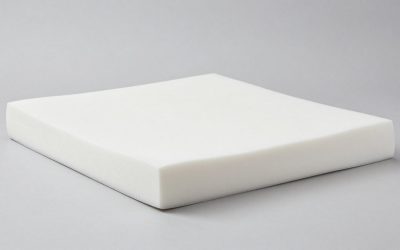
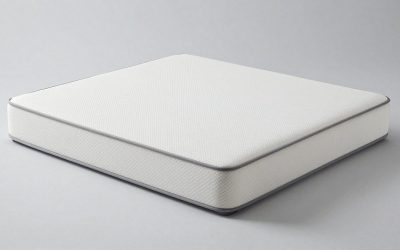
A heated mattress pad on memory foam is not automatically safe or compatible. Some mattress makers discourage external heat, while others permit limited use. Check the mattress manufacturer’s guidance and the heated pad’s exact manual before adding warmth beneath your sheets.
As an Amazon Associate we earn from qualifying purchases.
By KK Home Furnishings Editorial Team
Can You Use a Heated Mattress Pad on Memory Foam?
There is no single answer for every memory foam mattress. Tempur-Pedic’s U.S. guidance advises against electric blankets and heating pads, while Sealy’s U.S. help center permits brief, medium-setting use. Neither statement is a universal approval for every electric mattress pad or foam model.
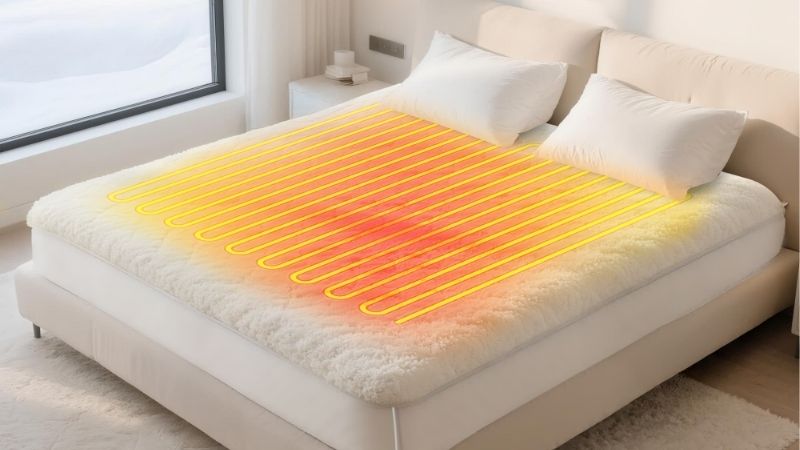
| Mattress or Setup | Published Guidance | Practical Decision | Important Exception |
|---|---|---|---|
| Tempur-Pedic TEMPUR-material mattress | Electric blankets and heating pads not recommended | Prefer an unheated bedding solution | If used despite advice, maker specifies up to 30 minutes on low or medium |
| Sealy mattress under its U.S. FAQ | Heating pad or electric blanket may be used briefly | Check exact model and pad manual first | Sealy suggests 20 to 30 minutes on medium, not prolonged high heat |
| Other or unidentified memory foam mattress | Not established by these manufacturers’ statements | Ask its maker for written model-specific guidance | Foam composition, covers and warranty conditions may differ |
| Electric heated mattress pad | Placement and operating limits come from its own manual | Follow the correct bedding instructions | A therapeutic body heating pad is not a substitute for heated bedding |
Read the Mattress Maker’s Heat Policy First
Memory foam is a category of materials, not one standardized recipe. Different mattresses use different comfort layers, covers and adhesives. That is why a general shopping claim that a pad is suitable for memory foam cannot override the maker’s published limitations for your particular mattress.
Tempur-Pedic explains that its temperature-sensitive TEMPUR material conforms in response to body heat, and added high heat can interfere with that response [Tempur-Pedic, product-care guidance, accessed October 2026]. Sealy says prolonged extreme heat can negatively affect foam composition [Sealy, U.S. help center, accessed October 2026].
Check the Heated Pad’s Own Instructions
A heated mattress pad is designed for a bed, but that does not establish approval for every bed system. Find the manual matching the model number on the product label. Check permitted placement, controller connection, power supply, layering, cleaning and whether overnight operation is specifically allowed.
Sunbeam’s U.S. Heated Bedding Extended User Guide, P.N. 195611E2, tells owners not to use its covered products on mechanically adjustable beds, waterbeds, bunk beds or children’s beds. It also says not to use another electrically heated product at the same time [Sunbeam, U.S. user guide, accessed October 2026].
Understand How Added Heat May Affect Foam Feel
Some memory foam responds differently when warmer, changing the feel of the sleep surface. A warm room, normal body heat and a powered mattress pad are not identical exposures. Temperature, duration, pad construction and how close the elements sit to the foam all affect the circumstances.
The distinction matters even when a heated pad seems comfortable during one night. A softer feel does not prove the foam has been damaged, and the absence of obvious change does not prove long-term compatibility. Look for an explicit manufacturer’s allowance instead of treating a short home trial as a safety test.
Adjust for Your Situation
The safest choice depends on what is written for both products, not whether the packaging says plush, low-voltage or automatic shutoff. Use the situations below to choose a setup that respects the mattress maker’s restrictions. When either manual is silent about compatibility, silence is not permission.
You Own a Tempur-Pedic Mattress
For a TEMPUR-material mattress, the straightforward choice is to avoid placing an electric mattress pad on the bed. Tempur-Pedic explicitly advises against heated blankets and heating pads, even though it describes a limited-use precaution for customers who choose to use one despite that recommendation.
The company’s 30-minute, low-or-medium guidance is not a promise that every heated mattress pad is compatible. The pad manufacturer may impose tighter restrictions. A nonpowered blanket or additional breathable bedding is a more direct way to add comfort without deliberately warming the foam.
You Have a Sealy Memory Foam Mattress
Sealy’s U.S. help center takes a more permissive approach, saying a heating pad or electric blanket can be used for about 20 to 30 minutes on a medium setting. The explanation specifically warns against very high temperatures and prolonged use because they may alter the foam composition.
Do not turn Sealy’s advice into an overnight approval. Ask Sealy whether its statement applies to your mattress model and the intended under-body electric pad. Then confirm the heated bedding manual permits that placement. If either source disagrees, follow the more restrictive instruction.
You Sleep on an Adjustable Foundation
An adjustable base introduces a separate mechanical issue. Bending sections and moving hinges can fold heated material, strain connectors or trap control cords. The question is not only whether memory foam tolerates warmth; it is whether the electric bedding is rated for the bed’s movement.
For example, the Sunbeam U.S. guide cited above prohibits use of its covered heated bedding on mechanically adjustable beds. Do not infer that every heated pad from every manufacturer has the same rule. Check both manuals and choose nonheated bedding if either one prohibits the configuration.
Your Mattress Has a Thick Topper or Protector
Extra bedding layers complicate placement. A topper can separate the heated pad from the mattress surface, but it may also change how heat is retained and how the pad lies. A waterproof protector, quilted cover or fitted sheet likewise does not automatically make an otherwise prohibited setup acceptable.
Use only the layer order shown in the electric pad’s instructions and allowed by the mattress maker. Tempur-Pedic separately notes that a conventional mattress pad can affect how TEMPUR material conforms to the sleeper. That comfort warning is distinct from the electrical safety of a heated device.
You Want the Bed Warm Before Getting In
Prewarming sounds different from leaving an electric pad on overnight, but the memory foam still receives external heat during that period. If the mattress maker discourages electric heating, a short preheat feature on the controller does not automatically change its position on compatibility.
Some heated bedding controls offer an automatic preheat cycle; others do not. Sunbeam’s cited guide describes a 30-minute preheat function on selected controls, not all models. Follow the exact manual and any stricter mattress limit. Switch off as required rather than assuming the timer guarantees safety.
You Cannot Identify the Mattress or Pad Model
If the mattress tag is missing or the controller has no legible model number, do not guess based on a similar-looking product photo. Instructions can vary between product generations. The same brand name may appear on separate devices with different heating features and placement restrictions.
Look for the mattress law tag, receipt or original order record and for the heated pad’s sewn label. Contact the relevant manufacturers with the exact identifiers. Until compatibility and the safety instructions are established, use an unheated blanket or another nonpowered comfort layer instead.
Frequently Asked Questions
These questions cover important limits that are easy to miss when comparing product descriptions. None replaces the mattress owner’s guide or the instructions supplied with a particular heated pad. The most reliable answer comes from identifying both models before they are used together.
Does Auto Shutoff Make a Heated Pad Safe for Memory Foam?
No. Auto shutoff limits a particular operating period or performs another function defined by the controller manufacturer; it does not certify compatibility with all foam materials. A mattress manufacturer’s warning about external heat still applies even when the pad has a timer or automatic control.
Some Sunbeam controllers described in its U.S. manual turn off after 10 hours, and selected versions permit that function to be disabled. Those are model-specific controller features, not foam-safety guarantees. For heated bedding, UL 964 addresses product safety requirements; it is not a blanket approval for use on any mattress.
Can I Put a Heated Mattress Pad Directly on a Foam Topper?
Only if both manufacturers permit that arrangement. A memory foam topper may have different care instructions from the mattress below it, and direct contact with a heating element can be a different use case from a conventional fitted protector or plain sheet.
Tempur-Pedic advises against electric blankets or heating pads with its TEMPUR-material toppers as well as its mattresses [Tempur-Pedic, U.S. product-care guidance, accessed October 2026]. For another brand, check its topper documentation separately rather than borrowing Tempur-Pedic’s limit or Sealy’s permission.
What If the Mattress Feels Softer After Preheating?
Some temperature-sensitive foam may feel softer when warm, but that observation alone does not diagnose permanent damage. A change in support or comfort is a reason to stop the experiment and review the manufacturer’s care guidance, especially if the surface remains altered after returning to normal room conditions.
Take note of the mattress model, approximate exposure and any visible deformation before contacting its maker. Do not use a hair dryer or another heat source to try to restore the foam. Only the mattress manufacturer can evaluate warranty coverage against the conditions of your specific product.
Who Should Not Use Electrically Heated Bedding?
Follow the exclusions printed in the manual for the exact device. Sunbeam’s U.S. Heated Bedding Extended User Guide specifically warns against use with infants, children, people unable to move or operate the controls independently, and people with reduced heat sensitivity, including certain medical conditions.
It also instructs users to avoid damaged or wet products, inspect cords, and connect its covered products directly to a suitable wall outlet without an extension cord. If there is uncertainty about a person’s ability to sense excessive warmth, seek individualized medical advice before considering heated bedding.
Final Thoughts
Before buying a heated mattress pad on memory foam, get two answers in writing: does the mattress maker allow the intended heat exposure, and does the electric pad maker allow that exact bed setup? If either answer is no or unclear, choose nonpowered bedding rather than relying on a timer or a low setting.