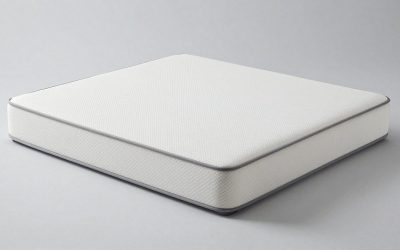
The right comforter should cover your mattress and give sleepers enough fabric at the sides without dragging on the floor. This comforter size chart compares common U.S. dimensions, but the size label alone cannot guarantee a good fit. Measure your mattress and check the actual width and length on the product listing before buying.
As an Amazon Associate we earn from qualifying purchases.
By KK Home Furnishings Editorial Team
Comforter Size Chart: U.S. Bed Dimensions and Typical Ranges
Start with the measurements, not the word printed on a bedding package. The ranges below describe common U.S. comforter sizes, not a compulsory industry standard. Mattress dimensions are conventional nominal sizes, while finished bedding varies across manufacturers. The chart draws on Sleep Foundation’s published guidance, updated in 2025; a particular comforter may fall outside these ranges and still suit your bed [Sleep Foundation, 2025].
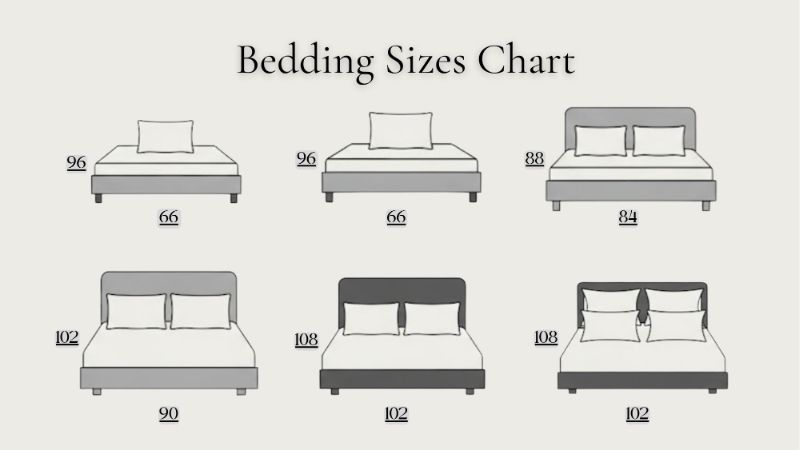
| Bed size | Typical mattress width and length | Common comforter width and length | Fit consideration |
|---|---|---|---|
| Twin | 38 by 75 inches | 66 to 68 inches wide; 86 to 90 inches long | Check clearance on low beds and daybeds. |
| Twin XL | 38 by 80 inches | Around 68 inches wide; 86 to 90 inches long | Length matters more than on a regular twin. |
| Full | 54 by 75 inches | 78 to 88 inches wide; 86 to 92 inches long | Full/Queen labels may be wider than needed. |
| Queen | 60 by 80 inches | 86 to 90 inches wide; 90 to 100 inches long | Check side drape on tall mattresses. |
| King | 76 by 80 inches | 90 to 108 inches wide; 86 to 108 inches long | King-labelled widths vary substantially. |
| California King | 72 by 84 inches | 90 to 110 inches wide; 92 to 108 inches long | Confirm usable length beyond the foot. |
Understand Mattress Sizes Versus Comforter Sizes
A standard queen mattress is about 60 inches wide and 80 inches long, whereas a queen comforter needs extra fabric to cover the sleeping surface and extend over its edges. That is why a comforter measurement usually looks much larger than its matching mattress measurement. A size name describes the intended bed family, not a shared physical dimension. The difference matters when comparing an old comforter against a new listing [Sleep Foundation, 2025].
Common U.S. mattress footprints are twin at 38 by 75 inches, twin XL at 38 by 80, full at 54 by 75, queen at 60 by 80, king at 76 by 80, and California king at 72 by 84. Actual mattresses can differ slightly by model, and thickness is not fixed by these names. For a replacement purchase, measure the mattress you own, including its height, rather than using a showroom label or assuming a familiar bedding size will fit again.
Measure the Side Drop and the Foot of the Bed
Side drop is the fabric hanging below each mattress edge. Measure from the top sleeping surface to the point where you want the comforter to end, rather than treating mattress thickness as the only consideration. A tucked bed with a visible frame may need less drape than a tall platform bed where you want the mattress side hidden. The ideal look is a preference, not a universal number that works for every sleeper or room.
Measure the bed’s width, length, and overall height, including a topper that stays in place under the sheets. Then compare your desired coverage with the listed comforter width and length. Make room for the way you pull the comforter toward the headboard, turn down the top edge, or leave a pillow display uncovered. A tall mattress can make a comforter that looked generous in a product photo feel surprisingly short at the sides.
Check the Manufacturer’s Finished Measurements
Size labels can conceal substantial differences. Brooklinen lists its down comforter at 68 inches wide and 92 inches long for Twin/Twin XL, 92 by 96 inches for Full/Queen, and 110 by 96 inches for King/Cali King [Brooklinen, accessed October 2026]. These are measurements for that product listing, not rules for every comforter on the U.S. market. Treat a combined size label as a prompt to check the two dimensions separately.
Pottery Barn’s Enchanted Coast comforter lists Full/Queen at 92 by 88 inches, while L.L.Bean’s Ultrasoft Cotton Comforter lists Full/Queen at 88 by 96 inches [Pottery Barn; L.L.Bean, accessed October 2026]. Both use the same broad size name but produce different side and foot coverage. On retailer pages, confirm whether dimensions are listed as width first or length first and whether the measurement refers to the comforter itself, a removable cover, or an entire packaged set.
Adjust the Comforter Fit for Your Bed and Sleep Habits
The chart is a starting point. A good fit also depends on bed height, the number of sleepers, and whether you prefer a tidy visible frame or an oversized look. These six situations show how to use the measurements without mistaking a named size for a guarantee. If the choice seems close, compare an existing cover that works well with the new product’s exact stated measurements.
For a Twin Bed, Check How Low the Comforter Hangs
A twin mattress is usually 38 inches wide and 75 inches long. Comforters around 66 to 68 inches wide can offer useful side coverage, but how they look depends strongly on mattress height and bed construction. On a low platform, a roomy twin comforter might hang closer to the floor than expected. On an elevated frame or taller mattress, a similar width can create a neater fall. Look at both the listed width and the bed’s actual drop.
A children’s twin bed, a trundle, and an adult guest bed may all carry the twin label while needing different practical coverage. A trundle that must slide underneath another frame should not have fabric catching in the mechanism. For a loft or high frame, check that hanging bedding stays clear of anything that could snag it. The appropriate purchase is one that fits the specific bed’s design, not automatically the largest twin comforter available.
For a Twin XL Bed, Give the Extra Length Attention
Twin XL mattresses share the typical twin width but extend to about 80 inches in length. Some comforters are advertised for Twin/Twin XL together, which can be convenient, but the label does not reveal exactly how much fabric will remain at the foot of the longer bed. Brooklinen’s current Twin/Twin XL listing is 68 by 92 inches, while several Pottery Barn comforter listings use 68 by 86 inches for that combined size [Brooklinen; Pottery Barn, accessed October 2026].
If you are furnishing a dorm room, a narrow guest bed, or the individual half of a split-king setup, compare these length differences with how the bed is actually made. A shorter comforter may look intentional when the head edge stays below the pillows, while a longer one may offer better coverage for someone who moves at night. If a shared size label leaves no usable length margin in your preferred arrangement, select a product with a longer stated finished dimension.
For a Full Bed, Decide Whether Full/Queen Is Too Roomy
A full mattress is typically 54 inches wide and 75 inches long. A comforter labelled Full/Queen can be attractive on this bed because it extends farther down the sides than a closely sized full comforter. However, its full footprint may overwhelm a compact bed or hide the legs of a low frame. Compare the actual width with how much of the bed base you want visible; a label that serves two mattress sizes cannot optimize the drape for both.
For example, Pottery Barn lists one Full/Queen comforter at 92 inches wide and 88 inches long, while Brooklinen lists 92 inches wide and 96 inches long. The extra length on the Brooklinen example may matter on a full bed with a prominent footboard or a preferred top fold. Neither measurement is inherently better. Choose according to where the fabric should finish, and make sure the foot area does not bunch against drawers or storage beneath the bed.
For a Queen Bed, Account for a Tall Mattress
The nominal queen mattress measures 60 inches wide and 80 inches long. Comforters around 86 to 90 inches wide are frequently recommended for queen-size bedding, but the actual product range is wider than any single chart. A mattress with a thick pillow-top or permanent topper uses more of the hanging fabric just to reach the lower side edge. That can make a standard Full/Queen comforter look skimpy even when its nominal size seems correct.
Do a quick fit check using the mattress’s finished height and your preferred side coverage. L.L.Bean’s Full/Queen Ultrasoft Cotton comforter measures 88 by 96 inches, while Brooklinen’s Full/Queen down comforter is listed at 92 by 96 inches [L.L.Bean; Brooklinen, accessed October 2026]. Their different widths can change the visual drape on the same queen mattress. A wider choice may be worthwhile for tall beds or sleepers who share covers; a narrower one may suit a cleaner, less overhanging style.
For King and California King, Inspect Both Dimensions
A king mattress is typically 76 inches wide and 80 inches long. A California king is about 72 inches wide and 84 inches long, meaning it trades some width for extra length. A combined King/Cal King comforter does not automatically have the ideal shape for either bed. Brooklinen lists one such comforter at 110 by 96 inches, while Pottery Barn lists a different King/Cal King design at 108 by 92 inches [Brooklinen; Pottery Barn, accessed October 2026].
For a conventional king, prioritize enough width for two sleepers without assuming that every king-labelled cover drapes equally well. For California king, inspect the length beyond the foot in addition to the side coverage. Check the product photograph’s bed style, because a large comforter shown on a low platform can look different on a thick mattress. Confirm the listing is for a comforter rather than a duvet cover, since a cover’s cut may be intended for a particular insert.
For Shared Beds and Oversized Looks, Check Real-World Coverage
Two sleepers may pull a comforter toward opposite sides, reducing the useful coverage each person feels. Going wider can help when both people prefer generous fabric at their shoulders, but it also increases overhang on a low frame. An oversized comforter is a styling choice, not a separate guaranteed U.S. sizing standard. Retailers use that label differently, so compare actual inches rather than expecting a consistent change from a standard size.
Use care with beds close to the floor, beds with drawers, or frames with decorative rails. Extra fabric can catch on drawer pulls, touch the floor, or conceal details you want visible. A photograph may show a carefully arranged display that differs from nightly use. Before choosing a larger comforter, spread your existing one across the mattress and identify exactly where the short coverage occurs. That tells you whether to seek more width, more length, or both.
Frequently Asked Questions
Comforter sizing often gets confusing at the boundaries between bed labels, duvet covers, and specialty mattresses. These answers clarify four common exceptions that can affect a purchase even after you have consulted the main size chart.
Are Comforter Sizes Standardized Across U.S. Brands?
No. Mattress size names are based on broadly recognized U.S. dimensions, but finished comforters do not follow one mandatory size chart across brands. Even where two products share a label such as Full/Queen, their physical dimensions may differ in width, length, or both. One company may prioritize more foot coverage while another chooses a wider drape.
The most reliable comparison is between the exact measurements shown on the retailer’s product page and the mattress you own. Check the specific color, construction, or generation if a manufacturer publishes separate specifications. If dimensions are missing, contact the seller before ordering rather than assuming another comforter from that brand uses the same cut.
Should a Comforter Reach the Floor?
Not necessarily. A floor-length look is a styling preference and may create problems on a bed with storage drawers, a low profile, or frequent foot traffic. Most people want the comforter to cover the top of the mattress with an intentional overhang rather than pooling on the floor. The amount of overhang depends on the overall bed height and personal preferences.
If you want a bed skirt or a decorative frame to remain visible, measure to that visual stopping point before deciding on a size. Where the bed sits close to the ground, pay special attention to the width of oversized options. Comforter dimensions describe the item laid flat; they do not specify the finished hanging length on every mattress.
Can I Use a Queen Comforter Inside a Full-Size Duvet Cover?
Only if the measured dimensions and the manufacturer’s instructions make the pairing suitable. The words Full and Queen are not enough to establish fit, because covers and inserts vary by brand and the amount of internal space changes how the filling spreads. A cover that is substantially narrower than the filled comforter can cause bunching or poor corner alignment.
Check the actual cover width and length against the insert or comforter width and length, then follow any matching advice supplied by the maker. Some comforters are designed as stand-alone bedding rather than removable duvet inserts. If the two pieces were not intended to work together, a coordinated set or matching insert may give a more reliable result.
What Size Comforter Works for a Split King Bed?
A split king typically uses two twin XL mattresses placed side by side, creating an overall sleeping footprint similar to a standard king. If the sleepers want one shared top layer, the relevant comforter is often a king-size option, subject to its actual width and length. If each person prefers independent bedding, separate twin XL comforters can suit adjustable or differently positioned halves better.
For independently moving adjustable bases, consider how often the two sides change position. A shared king comforter may shift or tug when one person raises a section, even though its flat dimensions seem correct. Two separately measured top layers can prevent that practical conflict. The underlying decision is shared versus individual coverage, not a special mandatory split-king comforter measurement.
Final Thoughts
A useful comforter size chart gets you to the right starting range, but the decisive choice comes from finished width, finished length, and your mattress’s height. Before ordering, compare the exact listing with the side and foot coverage you want. This matters most for combined size labels, thick beds, and California king mattresses, where names alone can hide an awkward fit.