Our Top Picks
 AEOCKY 5500 Sq.Ft Energy Star Most Efficient 202580 Pints - 5500 Sq.Ft14.45 x 8.66 x 24.09 InchesCheck on Amazon
The best way to dry a wet mattress is to remove as much liquid as possible right away by pressing dry towels into it, then keep air moving over and around it with fans and a dehumidifier until it is dry all the way through, ideally within 24 to 48 hours, because mold can start growing after that window. If the water was contaminated, such as flood or sewage water, or if mold is already visible and widespread, the mattress usually cannot be made safe and should be replaced.
Wet Mattress Drying and Mold at a Glance
| Topic | Key point |
|---|---|
| Time window | EPA guidance says water-damaged areas and items should be dried within 24 to 48 hours to prevent mold growth |
| First action | Blot and press with dry towels, replacing them as they soak through; a wet/dry vacuum can pull out more water |
| Main drying tools | Fans, a dehumidifier, an air-conditioned or well-ventilated room, and propping the mattress so air reaches both sides |
| Direct heat | Avoid hair dryers, space heaters and heating pads, which can damage foam and materials |
| Sunlight | Opinions differ; strong sun can fade or degrade fabrics and some foams, so shaded outdoor air is the cautious choice |
| Mold signs | Musty smell, fuzzy white, green, brown or black spots, discoloration |
| Replace if | Flood or sewage water, widespread mold, persistent smell, or still damp after extended drying |
| Professional help | For large mold areas or anyone with asthma, allergies or a weakened immune system |
Why Speed Matters
Mold needs moisture, and a mattress is an ideal place for it to hide because water soaks into thick padding, fabric and foam that dry slowly from the inside. The US Environmental Protection Agency advises drying water-damaged areas and items within 24 to 48 hours to prevent mold growth, and public health agencies such as the CDC stress prompt drying in the same way. The EPA also notes that moisture control, not routine chemical treatment, is the main solution to mold problems.

Dehumidifiers for Home, 1000 Sq Ft Dehumidifier with 95oz Tank Auto Shutoff | Quiet for Bedroom, Bathroom and Basement with Sleep Mode 7-Color LED Light, Grey
Chosen because it specifies 1000 Sq Ft Dehumidifier with 95oz Tank Auto Shutoff and Quiet for Bedroom.
View on Amazon
BEDRED Dehumidifier, 95Oz Dehumidifier for Home 1000 Sq.Ft | Quiet, Auto Shutoff, Sleep Mode, 7 Color Ambient Light for Bedroom, Bathroom, Basement (Black)
Chosen because it specifies 95Oz Dehumidifier for Home 1000 Sq.Ft and Quiet.
View on Amazon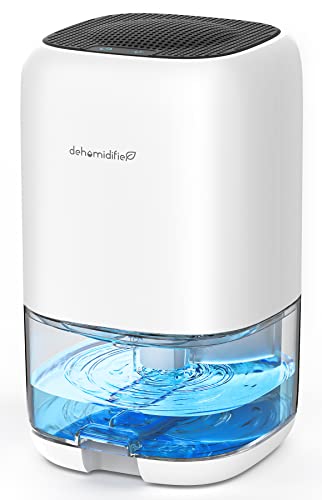
TABYIK 35 OZ Dehumidifier for Bedroom RV, Quiet with Auto Shut Off, White | 280 Sq.Ft Small Dehumidifiers for Home Bathroom Closet, 7 Color Light, 28dB Ultra Quiet, 35OZ Water Tank
Chosen because it specifies Quiet with Auto Shut Off and White.
View on AmazonAEOCKY 5500 Sq.Ft Energy Star Most Efficient 2025 Dehumidifier Max 80Pint/D | Dehumidifier with Drain Hose for Basement, Home, Bedroom, Bathroom, Intelligent Humidistat
Chosen because it specifies Dehumidifier with Drain Hose for Basement and Home.
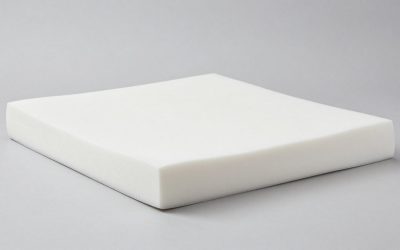
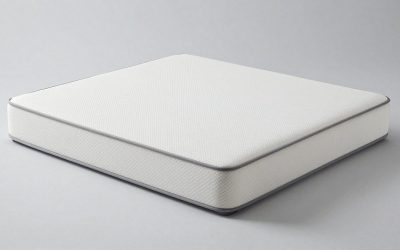
View on AmazonA mattress can feel dry on the surface while still holding moisture deeper inside, which is why drying should continue well after the top layer feels normal. Memory foam and other dense foams are especially slow to release water, and sleep guidance points out that foam is not designed to get wet.
Step-by-Step: How to Dry a Wet Mattress
- Identify the source of the water. Clean water from a spilled drink, a leaking window or a small plumbing leak is treated differently from floodwater or sewage. Reason: contaminated water carries bacteria and cannot be made safe by drying alone.
- Remove bedding and the protector. Wash what can be washed on the hottest setting the labels allow. Reason: wet fabric next to the mattress holds moisture against it.
- Extract liquid with towels. Press clean, dry towels firmly into the wet area, using body weight, and swap them as they soak through. Do not rub. Reason: rubbing pushes moisture deeper, while pressing pulls it upward into the towel.
- Use a wet/dry vacuum if the mattress is soaked. Reason: it removes much more liquid than towels alone.
- Cover the damp area with baking soda if appropriate. Some restoration and mattress sources suggest leaving a thick layer for several hours, then vacuuming it away. Reason: it helps absorb remaining moisture and odor, but it only supplements airflow and does not replace it.
- Set up airflow. Stand or prop the mattress against a wall or on its side so both faces are exposed if it is safe and the mattress type allows it, and aim fans at it. Reason: moving air carries moisture away from the surface.
- Add a dehumidifier or air conditioning. Run it in a closed room, and empty the tank regularly. Reason: air that is already humid cannot take moisture out of the mattress.
- Keep drying until it is dry through. Press a dry towel into the area and see whether it comes away damp, and notice any cool or heavy feel. Reason: surface dryness is not proof of internal dryness.
- Re-check for odor and spots a day or two later. Reason: mold and musty smell can appear after the surface appears dry if moisture remained inside.
- Do not remake the bed until fully dry. Reason: sheets and a protector will trap any remaining moisture.
Drying Methods Compared
| Method | Strengths | Limits and cautions |
|---|---|---|
| Towel blotting | Fast, cheap, works within minutes of the spill | Only removes surface and near-surface liquid |
| Wet/dry vacuum | Pulls out larger amounts of water | Must be done early; use a clean machine to avoid spreading dirt |
| Fans | Increase evaporation, easy to position | Work best with the mattress propped so air reaches both sides |
| Dehumidifier | Lowers room humidity so moisture leaves the mattress | Room should be closed; needs hours to days |
| Air outdoors in shade | Fresh airflow without heavy heat | Needs dry weather, a clean surface and help to move the mattress |
| Direct sun | Warmth and airflow help drying; sunlight is not a proven way to remove mold from inside a mattress | Can fade fabric and, per some sources, damage foam such as latex; sources disagree, so limit exposure and check the care label |
| Hair dryer or heater | Seems quick | Heat can warp foam and damage materials; generally advised against |
| Baking soda layer | Absorbs some moisture and odor | Supplement only; vacuum it up fully |
How Long Does Drying Take?
There is no single guaranteed time. Mattress and restoration sources commonly describe a small spill drying within hours to a day, a more thorough soaking taking one to two days, and a heavily soaked mattress sometimes taking longer, with 48 hours (the EPA’s drying window) as the point after which mold risk rises. These timeframes come from mattress and restoration company pages rather than from standards, so treat them as rough. Dense foam, thick pillow tops, high humidity and cool rooms all add time. If the mattress is still damp well past 48 hours of active drying, or smells musty, treat that as a warning sign that it may not be recoverable.
How to Spot Mold on a Mattress
- A musty, earthy or sour smell, especially when you lean close or when the room is closed up.
- Spots that are white, green, brown, gray or black, sometimes fuzzy or slimy, often on the underside, near seams or where the mattress touched a damp surface.
- Discoloration that spreads or returns after cleaning.
- Allergy-like symptoms that seem worse in bed. The CDC lists nasal stuffiness, coughing, wheezing, and eye or skin irritation as possible reactions, although some people have no symptoms at all.
Not every dark spot is mold. A sweat or spill stain can look similar. If a spot is fuzzy, spreading or accompanied by a musty smell, treat it as mold until shown otherwise.
Safe Limits for Cleaning Mold
For mold on hard, non-porous surfaces, the EPA says small areas, roughly under about 10 square feet, can often be handled by the homeowner by scrubbing with detergent and water and drying thoroughly. A mattress is different because it is porous: the EPA notes that absorbent materials such as carpet and ceiling tiles may have to be thrown away if they become moldy, and mattress padding is similar. Some consumer pages describe wiping light surface mold on a fabric cover, but there is no official mattress-specific cleaning method, and surface wiping does not guarantee that mold inside the padding is gone. Any liquid used should be kept minimal, and flammable products such as rubbing alcohol should be kept away from heat, sparks and unventilated rooms.
If you attempt to treat a small surface patch on a mattress:
- Check the care label and warranty first, and test any cleaner on a hidden spot.
- Wear gloves and a well-fitting respirator mask such as an N95, plus goggles without vent holes if you are scrubbing, as the EPA advises when cleaning mold.
- Ventilate the room and keep other people and pets away from it.
- Use a barely damp cloth, never a saturating spray, and do not soak foam.
- Do not mix cleaners. The EPA warns that chlorine bleach must never be combined with ammonia-containing products, because toxic fumes can be produced. It is safest to use one product at a time and avoid bleach on mattresses altogether.
- Dry the area completely afterward and inspect it again over the following days.
Do not brush or beat a moldy mattress indoors, because that can spread spores through the room.
When a Moldy or Water-Damaged Mattress Must Go
| Situation | Decision |
|---|---|
| Flood, sewage or other contaminated water | Replace; do not try to sanitize |
| Mold visible inside the cover, throughout, or on multiple faces | Replace |
| Strong musty smell that returns after thorough drying | Replace |
| Still damp after prolonged active drying | Likely replace |
| Small surface spot on the cover, fast response, no smell | Cautious cleaning may be reasonable, with monitoring |
| Anyone sleeping on it has asthma, allergies or a weakened immune system | Lean toward replacement and consult a clinician |
| Large affected area or whole room dampness | Contact a mold remediation professional |
The CDC notes that people with asthma, mold allergy, chronic lung disease or weakened immune systems are more vulnerable to mold. Someone in the home with these conditions should avoid doing the cleanup and should not sleep on a mattress with suspected mold. If symptoms such as breathing difficulty develop, contact a doctor.
Preventing Mold After the Mattress Is Dry
- Fix the source of the water, such as a leak, condensation against a wall or a damp floor.
- Use a breathable bed base or slatted frame so air reaches the underside. Mattresses laid directly on the floor can trap moisture.
- Use a waterproof, breathable protector to guard against spills.
- Keep bedroom humidity moderate and ventilated; controlling indoor moisture with ventilation, exhaust fans or a dehumidifier is the general approach in public mold guidance.
- Leave the bare mattress to air when changing sheets, and lift it against a wall occasionally if it sits near a cold or damp wall.
Troubleshooting
| Problem | Likely cause | Fix |
|---|---|---|
| Surface dry but mattress smells musty | Moisture trapped in the core | Continue airflow and dehumidifying; if smell persists, replace |
| Foam feels cool or heavy | Water still inside the foam | Extend drying; avoid heat sources |
| Yellow rings after drying | Residue carried to the edge of the wet area | Treat as a stain once fully dry, using minimal liquid |
| Spots return after cleaning | Mold inside the padding | Replace the mattress |
| Baking soda clumps | Mattress still very wet | Vacuum off, go back to towels and airflow |
Frequently Asked Questions
How long can a mattress stay wet before mold grows?
EPA guidance says water-damaged items should be dried within 24 to 48 hours to prevent mold. Mold can appear after that, especially in warm, humid rooms. Start drying immediately rather than waiting.
Can I dry a mattress in the sun?
Sources disagree. Some recommend airing a mattress outdoors, while others warn that strong direct sun can fade fabrics and may damage certain foams. A shaded, breezy spot or a ventilated indoor room with fans is the more cautious choice, and the care label may give specific advice.
Is a hair dryer a good way to dry a mattress?
Generally no. Direct heat can warp foam and damage materials, and it mostly dries the surface while moisture remains inside. Fans and a dehumidifier are gentler and more effective over time.
Can I remove mold from a mattress and keep using it?
Only if the mold is a small surface patch caught early. Mattresses are porous, so mold inside the padding is hard or impossible to remove, and the EPA notes that absorbent or porous materials may have to be thrown away if they become moldy. If you are unsure, replacement is the safer path.
Is a moldy mattress dangerous to sleep on?
It can be a problem for some people. The CDC says mold can cause nasal stuffiness, coughing, wheezing and eye or skin irritation, and it is a particular concern for people with asthma, allergies or weakened immune systems. If anyone in the home has these conditions, do not sleep on a mattress with suspected mold and ask a clinician about symptoms.
Should I use bleach on a mattress with mold?
The EPA says bleach and other biocides are not recommended as a routine part of mold cleanup, and bleach can damage mattress materials and is poorly suited to porous items. Never mix bleach with ammonia or any other cleaner, because dangerous fumes can result. For anything beyond a small surface patch, consult a professional.
When should I call a professional?
Call one if the water came from a flood or sewage, if mold covers a large area of the mattress or room, or if moisture keeps returning. A water damage or mold remediation professional can find the moisture source, and a doctor should be consulted if anyone has breathing problems.