Key takeaways
- Roof-mounted pipe tube: a sealed tube, often 6 to 8 inches across with a locking end cap, carries 10-foot sticks outside the van and keeps them out of the cargo area. Rain and road grime stay out; check that the van with tube still clears your garage and parking structures.
- Overhead interior rack: hooks or channels fastened to the roof ribs hold pipe above head height. Keeps pipe dry and secure but takes headroom, which matters less in high-roof vans with 6 ft or more of interior height.
- Slot along the shelving top: on longer wheelbase vans, the space above the top shelf can hold a few sticks of small-diameter pipe with a lip or strap to stop sliding.
The van racking setup that suits most plumbers is shelving with fittings bins along one wall, open floor space by the side or rear doors for heavy items like drain machines and water heaters, and pipe stored either in a roof-mounted pipe tube or in an overhead interior rack. Plumbing loads are a mix of thousands of small fittings, long rigid pipe and a few very heavy machines, so a good layout gives each of those three a dedicated zone instead of trying to make one shelving style do everything.
Start With What a Plumber Actually Carries
| Item group | Typical size or weight | Best zone in the van |
|---|---|---|
| Fittings (copper, PEX, PVC, brass) | Hundreds of small parts, 0.5–4 in | Shelving with removable bins or parts cases |
| Rigid pipe (copper, PVC, CPVC) | Commonly 10 ft lengths, 1/2–4 in diameter | Roof tube or overhead interior rack |
| PEX coils | 100–500 ft coils, 1–2 ft across | Vertical coil holder or low shelf |
| Press tool and crimp tools in cases | Cases about 20 x 15 x 6 in, 15–30 lb | Lower shelf near the side door |
| Drain cleaning machine | Drum machines often 70–200+ lb | Floor, near a door, strapped down |
| Water heater for install | 40–50 gal tank about 20–24 in wide, 50–60 in tall, 100–150 lb | Clear floor area by the rear doors |
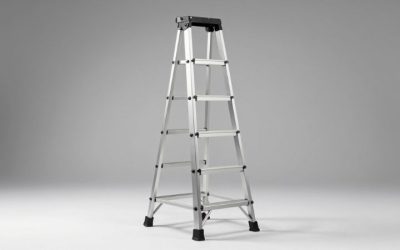
| Ladders | 6–8 ft step, extension ladders | Roof ladder rack or interior wall hooks |
Seeing it laid out this way makes the main point clear: the floor area by the doors must stay open. Racking that fills the whole wall to the rear doors looks efficient, but it leaves nowhere to load a tank or a drain machine.
Three Layouts That Work
Layout 1: Service and repair van
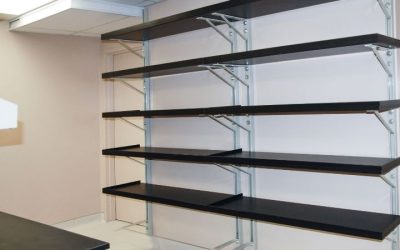
For mostly repair calls, run full-height shelving along the driver’s side wall (the side away from the sliding door on US vans), with bin shelving at waist height and deeper shelves below for cases. On the passenger side, put a short shelving unit behind the sliding door with the most-used fittings, so you can restock a bag without climbing in. Keep the rear 3 to 4 feet of floor clear for a drain machine.
Layout 2: New construction and remodel
Here pipe and bulk fittings dominate. Run an overhead pipe rack down the center of the ceiling or a roof tube outside, shelving on both walls for the first 6 to 8 feet, and a clear center aisle. Bulk boxes of fittings go on lower shelves; small parts cases stack on upper ones.
Layout 3: Drain cleaning specialist
The heaviest layout. Shelving stays shallow (12 inches or less) and on one wall only. The other side and rear are given to machines, cable drums and a jetter if carried, each with its own tie-down points bolted into the floor. Camera inspection equipment goes in a padded case on a mid-height shelf away from wet gear.
Racking Materials and Weight Trade-offs
Every pound of racking reduces the payload you can carry. A full shelving build-out can weigh several hundred pounds, so material choice matters on vans that already run heavy.
| Material | Approx. weight of a 4–5 ft shelving unit | Strength | Corrosion | Typical installed cost range |
|---|---|---|---|---|
| Powder-coated steel | 100–200 lb | Very high | Rusts if coating chips | Moderate |
| Aluminum | 40–100 lb | High | Does not rust | Higher |
| Plywood, custom built | 60–120 lb | Moderate to high | Absorbs water if unsealed | Lowest in materials |
| Composite or plastic modular | 40–80 lb | Moderate | Does not rust | Moderate to higher |
Commercial upfitters such as Ranger Design and Adrian Steel make steel and aluminum racking sized for vans like the Ford Transit, Ram ProMaster and Mercedes-Benz Sprinter, and Sortimo offers modular aluminum systems with drop-in cases. A professionally installed shelving package for one wall commonly runs from about $1,000 to $3,500, and full build-outs with partitions and roof racks cost more. DIY plywood builds cost far less in materials but take a couple of weekends and need proper anchoring.
Pipe Storage Ideas
- Roof-mounted pipe tube: a sealed tube, often 6 to 8 inches across with a locking end cap, carries 10-foot sticks outside the van and keeps them out of the cargo area. Rain and road grime stay out; check that the van with tube still clears your garage and parking structures.
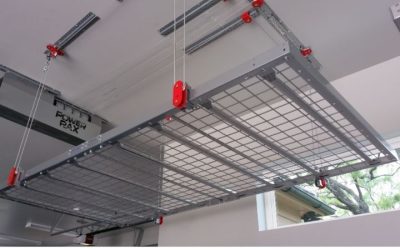
- Overhead interior rack: hooks or channels fastened to the roof ribs hold pipe above head height. Keeps pipe dry and secure but takes headroom, which matters less in high-roof vans with 6 ft or more of interior height.
- Slot along the shelving top: on longer wheelbase vans, the space above the top shelf can hold a few sticks of small-diameter pipe with a lip or strap to stop sliding.
Ten-foot pipe is the deciding factor here. Many cargo vans have a floor length of roughly 10 to 14 feet depending on wheelbase, so on shorter vans the pipe may only fit diagonally or on the roof.
Fittings Organization That Survives the Road
- Use bins or cases that lock in place; open bins on plain shelves end up on the floor after the first hard stop.
- Sort by material first (copper, PEX, PVC, brass), then by size, so you can restock quickly from the supply house.
- Label the bin fronts with size in large print. Under a dome light at night, small labels are unreadable.
- Keep a “job bag” or portable case you fill from the van shelves for each call, rather than carrying the van’s bins inside.
- Do a weekly restock using a printed list of minimum counts for each bin.
Safety and Practical Realities
- Bulkhead or partition: a solid partition between cargo and cab protects you if the load shifts in a crash. It also helps heating and cooling in the cab.
- Tie-downs for heavy items: drain machines and tanks need ratchet straps anchored to floor or wall points rated for the load, not to shelving uprights.
- Payload check: add up racking, tools, stock and the heaviest load you carry. Compare it to the payload on the door-jamb sticker, which varies widely by van model and configuration.
- Flooring: a sealed plywood or composite floor with a rubber mat resists water from wet tools and is easy to sweep out.
- Lighting: LED strip lights along the racking make labels readable and are low current.
Quick Decision Matrix
| Your work | Shelving | Pipe storage | Floor space |
|---|---|---|---|
| Mostly service and repair | One wall full, short unit by slider | Roof tube | Rear 3–4 ft clear |
| New construction and remodel | Both walls, front 6–8 ft | Overhead rack plus roof tube | Center aisle |
| Drain cleaning | One wall, shallow | Roof tube for limited pipe | Most of floor for machines |
| Water heater installs | One wall, lighter aluminum | Roof tube | Rear half clear for tanks |